Staying in Johannesburg: accommodation options, planning tips and top things to do
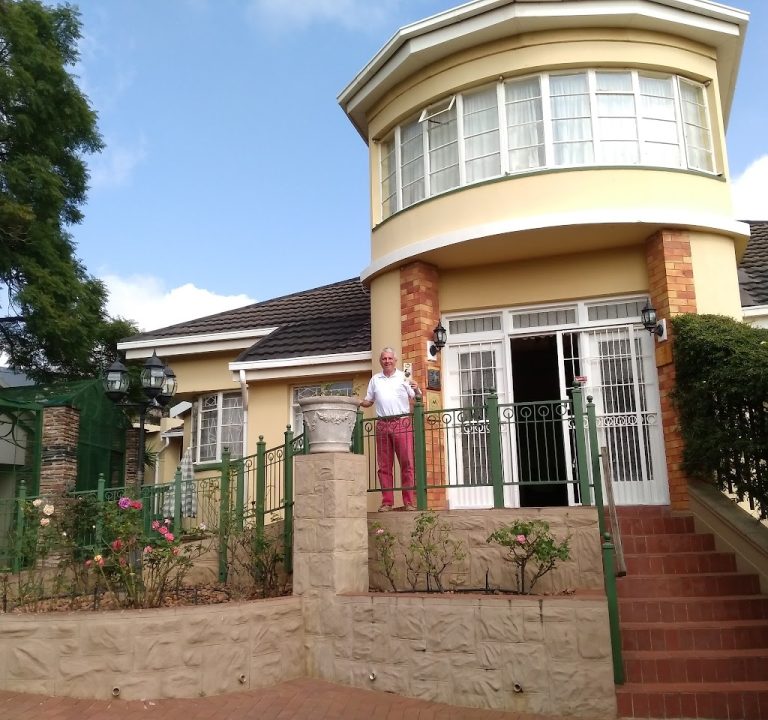
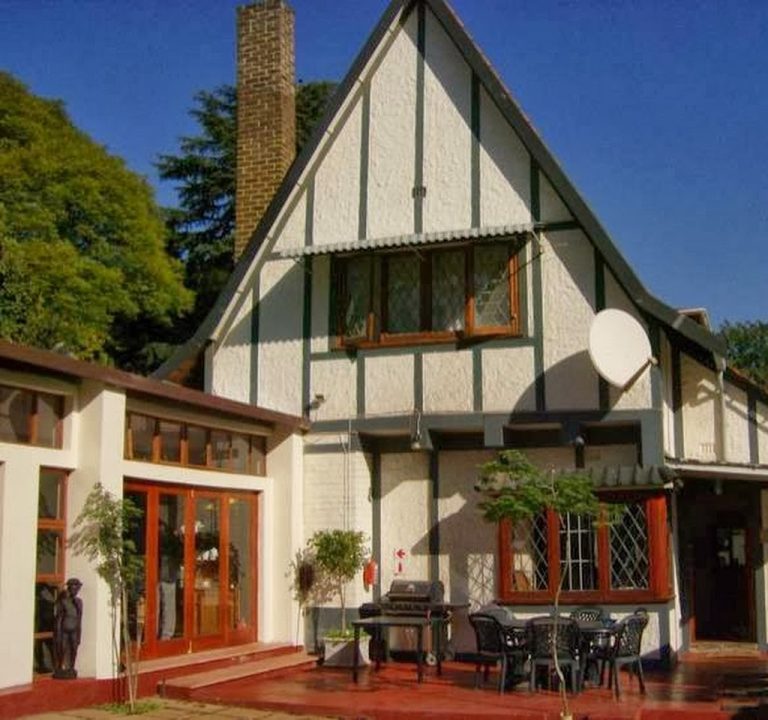
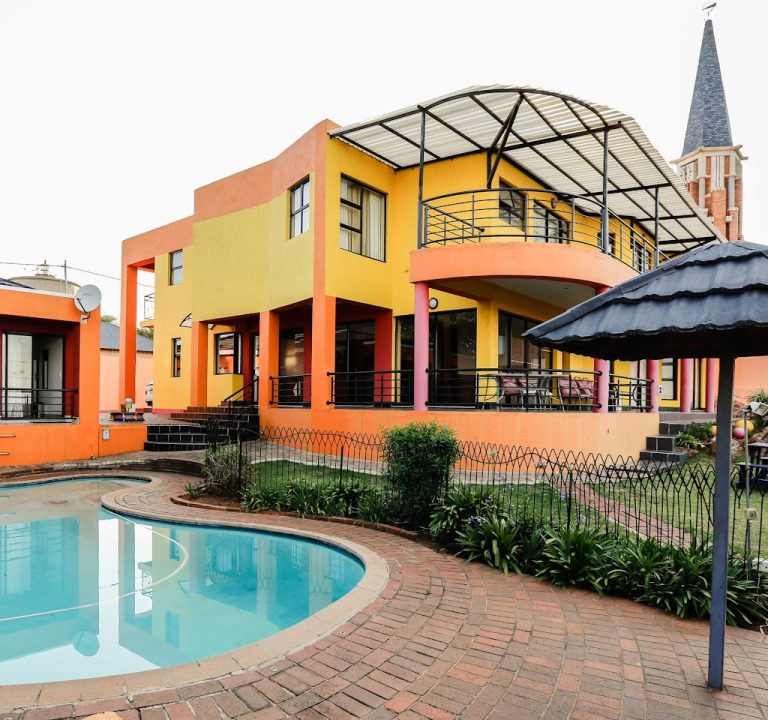
Johannesburg, often the first stop for many visitors to South Africa, offers a wide range of accommodation—from boutique guest houses to stylish hotels and convenient city-centre flats. When planning a stay, it helps to base your choice on what you want to get out of the visit: culture and history, dining and nightlife, shopping, or easy access to day trips. A notable example of a welcoming option is Merwehuis Bed and Breakfast, a comfortable guest house that embodies the personal touch many travellers value in South Africa.
Areas to consider include the central business district (CBD) and northern suburbs such as Sandton and Rosebank, where many modern hotels, serviced apartments and guest houses operate close to malls, galleries and vibrant dining scenes. For a more atmospheric, neighbourhood feel, look to Braamfontein or Maboneng Precinct, which mix restored Art Deco architecture with contemporary cafes and eateries. For a relaxed vibe and leafy streets, Melville or Linden can be ideal, with guest houses and modest hotels often paired with easy access to cafés and parks. When choosing where to stay, consider transport options, safety, and the kind of experience you want—urban buzz, cultural proximity, or quieter residential streets.
Typical amenities to look for include reliable Wi‑Fi, secure parking or easy access to public transport, and a generous breakfast option. Many guest houses in Johannesburg offer a personalised stay, with hosts who can share local tips on transportation, markets, and hidden gems. In shared or boutique properties, you may enjoy common lounges, small gardens, or private balconies that contribute to a relaxed pace after busy days of sightseeing. If you plan day trips, ask hosts about access to car hire, guided tours, or shuttle services; in many areas, driving gives the greatest flexibility, while rail connections and ride-hailing apps work well for shorter hops in and around the city.
Transport in Johannesburg is a practical consideration. The city is served by the Gautrain rail network linking major hubs with easy reach to the airport and key business districts. Road travel is common, but traffic can be heavy during peak hours. For a smoother experience, pre-arranged transfers or trusted ride-hailing apps are convenient, particularly at night or for long city drives. If you prefer a car, check whether your accommodation provides parking and what the local rules are for on-street spaces. Be mindful of security and plan routes in advance, especially when visiting unfamiliar neighbourhoods after dark.
Best time to visit Johannesburg is influenced by weather and crowd levels. The city enjoys a mild climate, with winter (May to August) offering cooler temperatures and drier days—great for city sightseeing without the heat. Summer (November to March) brings warmer weather and occasional thundershowers, which can refresh late afternoons but may interrupt outdoor plans. If you want to combine a city break with nearby nature or cultural experiences, consider allocating a couple of days to Soweto and nearby townships, where guided tours can provide context and depth to your visit, alongside museums and historic sites. December to January can be busy, particularly in popular neighbourhoods and shopping precincts, so booking in advance is wise for accommodation and experiences.
When booking, clarify what is included. A hearty breakfast and secure parking are practical in a city where mornings often start early. If you require flexibility, check cancellation policies and whether the property can accommodate early check‑ins or late departures. Some hosts offer personal recommendations or curated itineraries—these can be especially valuable for first‑time visitors seeking a balanced mix of culture, gastronomy and off‑the‑beaten‑path experiences. For visitors staying longer, ask about laundry facilities, self‑catering options, or access to a small kitchen for convenience.
Attractions and experiences are varied and widely accessible from most central bases. Within easy reach are museums and galleries that document South Africa’s complex history, as well as open spaces and markets where you can sample local flavours and crafts. Contemporary dining scenes range from stylish restaurants in modern precincts to casual bistros in residential areas, offering dishes influenced by regional traditions and global trends. For day trips, consider a journey to nearby parks, viewpoints or architectural tours that showcase Johannesburg’s urban growth and engineering heritage. Always verify opening hours and visitor guidelines ahead of time, as schedules can shift with seasons or special events.
Practical tips for a smooth stay:
- Book accommodation with clear directions and good access to your planned activities and transport options.
- Use reputable transport options after dark and stagger nightlife plans with reliable routes back to your base.
- Bring comfortable footwear for walking and light layers for variable weather.
- Respect local customs and community guidelines, especially when visiting townships or cultural sites.
- Check whether the property offers maps, curated itineraries, or host tips for a richer experience of the city.
For more information about Johannesburg and official visitor resources, you can explore the city’s tourism pages to plan your itinerary and discover neighbourhood nuances, dining hubs, and suggested routes that suit your travel style.