Exploring Johannesburg: A Guide to Accommodation, Areas to Stay, and Local Experiences
Johannesburg, Gauteng, offers a dynamic mix of urban energy, cultural heritage, and gateway access to neighbouring regions. When planning a stay, consider the character of each neighbourhood, the conveniences offered by your chosen accommodation, and how you’ll move around the city. From stylish inner-city guesthouses to leafy suburbs with tree-lined streets, there is a range of options to suit different budgets and itineraries.
Accommodation options and what to look for when booking
Look for properties that match your preferred pace of travel. If you want nightlife and easy access to galleries and markets, a central or adjacent neighbourhood could be ideal. For a quieter retreat with outdoor spaces, a suburban guesthouse or boutique hotel in areas such as Rosebank or Melville may be more suitable. Common amenities to prioritise include complimentary breakfast, reliable Wi‑Fi, secure parking, air conditioning or heating, and en-suite bathrooms. Some venues offer swimming pools, gym facilities, laundry services, or kitchen access for longer stays. Check photos and reviews for indications of guest privacy, sound levels, and staff responsiveness.
Practical planning: areas to consider
- Rosebank and Sandton: Well-connected to business districts, shopping malls, and a vibrant dining scene. Generally safe and convenient for travellers who want a mix of exploration and modern conveniences.
- Braamfontein and Maboneng: Focused on arts, culture, and nightlife, with easy access to museums, galleries, and eateries. Suitable for visitors who prefer an energetic urban atmosphere.
- Melville and Linden: Quieter residential pockets with a neighbourhood feel, plus local cafés and casual dining, ideal for a relaxed stay with a touch of character.
- Soweto: To understand history and social change, with community-led tours and expansive township experiences. Choose established tour operators and guesthouses with solid safety practices.
Transport and getting around
Johannesburg is served by a mix of transportation options. A reliable choice for visitors is private transport arranged through the hotel or guesthouse. The Gautrain offers rapid train links to central Johannesburg, Pretoria, and OR Tambo International Airport, which can be convenient for day trips. Rideshare apps are widely used, and many guesthouses provide parking or shuttle services. If you venture to more rural or high-traffic areas, pre-arranged transfers can be smoother than self-guided driving. When planning day trips, factor in traffic patterns, especially during peak hours, and build in extra time for busy corridors around shopping districts and major venues.
Best time to visit and climate considerations
Johannesburg experiences a mild, dry winter and a warm to hot summer. The most comfortable weather for sightseeing tends to be in spring (September to November) and autumn (March to May), when temperatures are typically moderate and rainfall is lower. If you travel in winter, bring a light jacket for cool mornings and evenings. For those visiting in summer, pack sun protection, hydration plans, and flexible itineraries to accommodate possible thunderstorms. Consider altitude: although elevation is not extreme, some visitors notice the warmer days and cooler nights in high-sun periods.
What to expect from attractions and experiences
Within the city, you’ll find museums and historical sites that illuminate South Africa’s past and present, along with parks, markets, and interesting architectural pockets. In addition to formal sites, many visitors enjoy exploring vibrant markets, street art, and eclectic dining scenes that showcase diverse cuisines. When planning outings, balance planned highlights with time to wander into quieter streets, enjoy a coffee in a courtyard, or browse a local shop for crafts and design.
Where to stay: accommodation highlights and a sample option
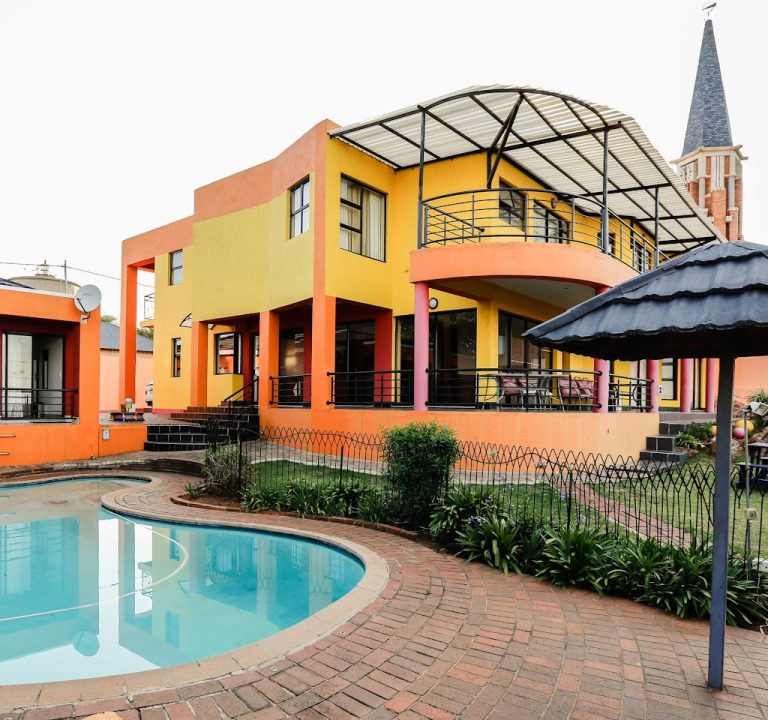
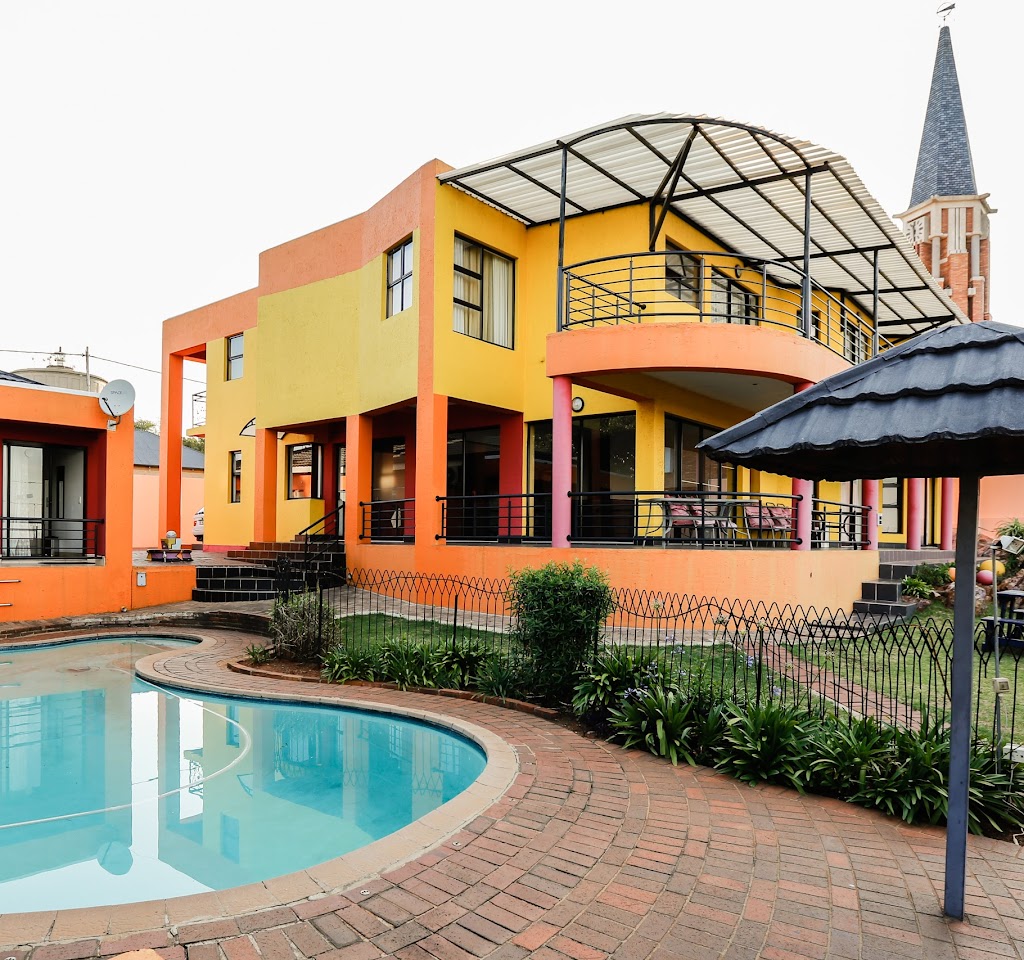
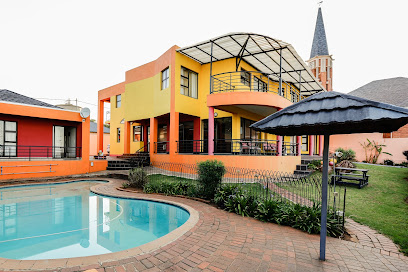
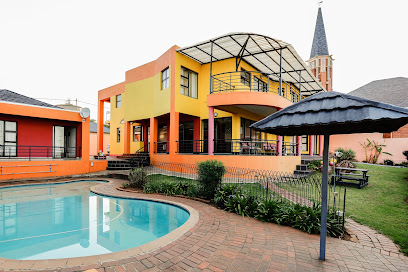
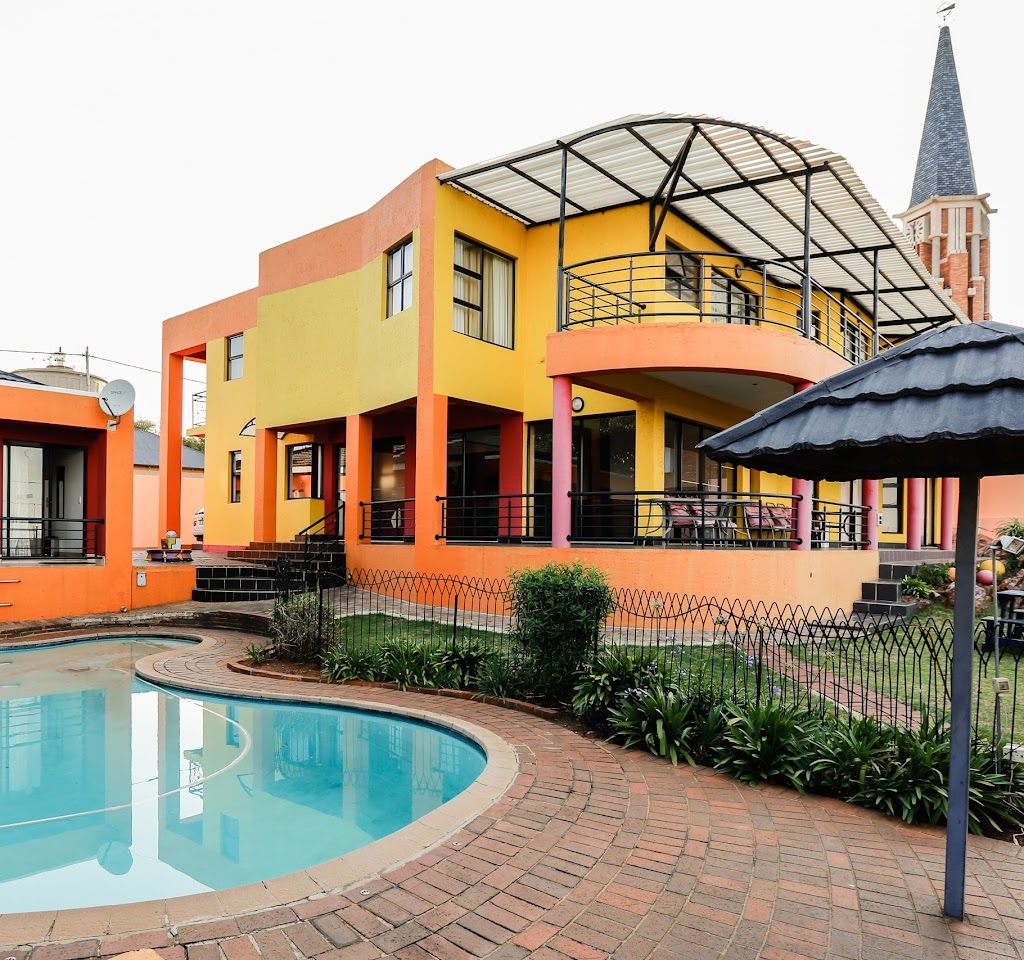
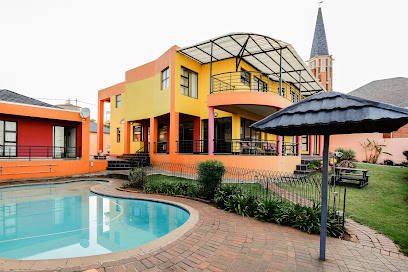
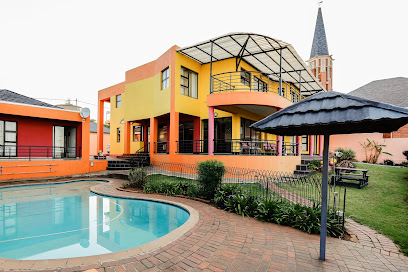
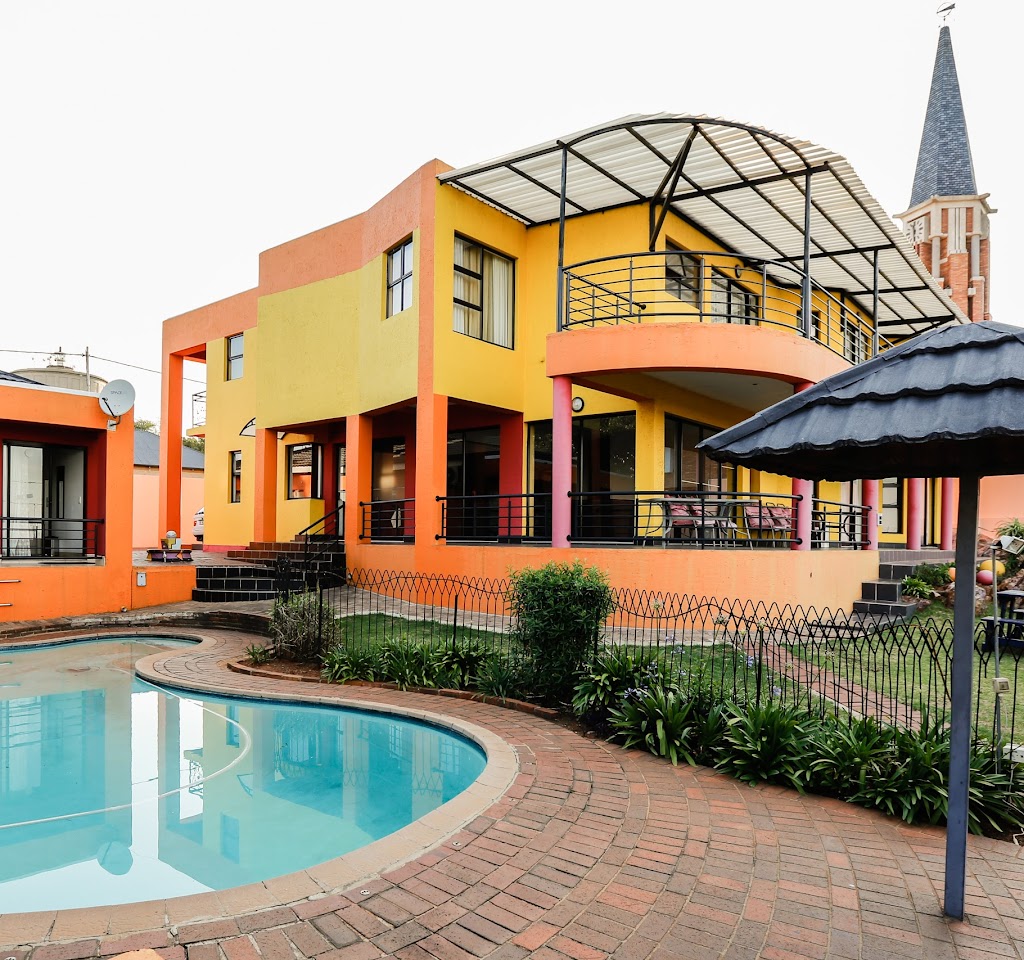
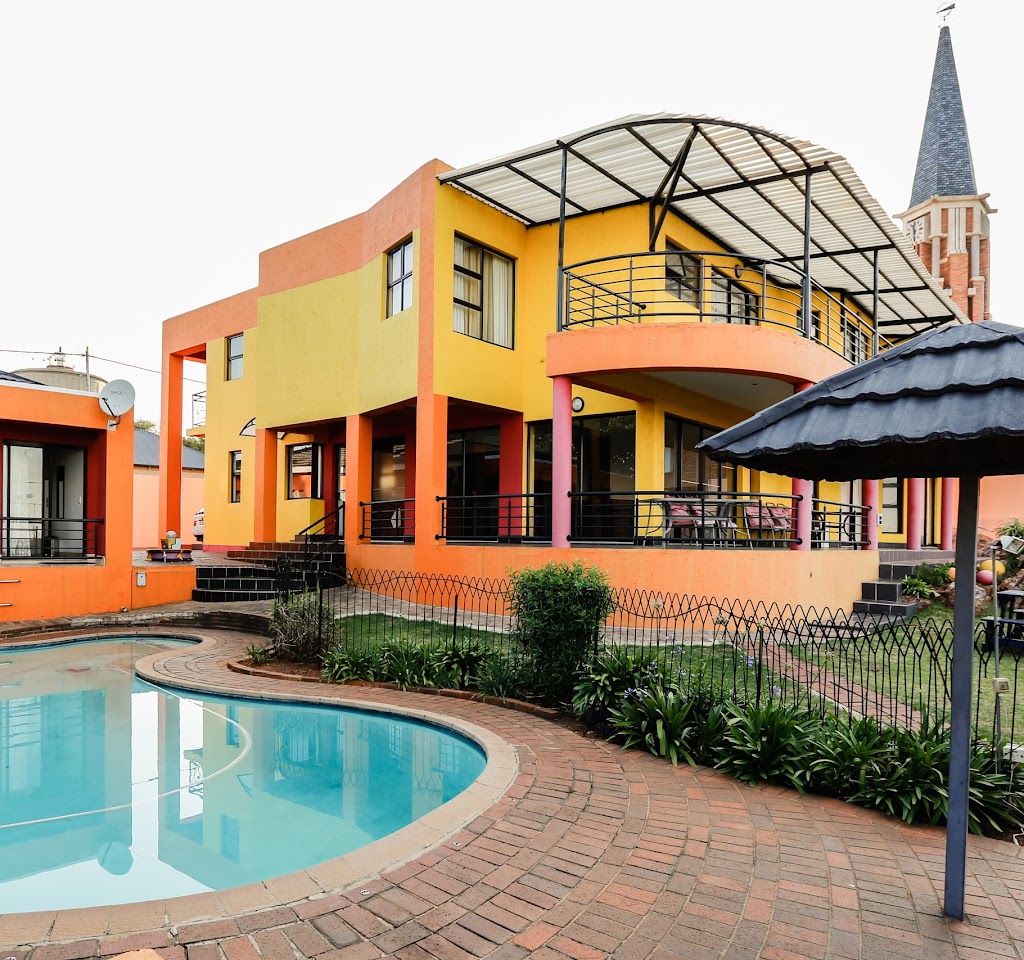
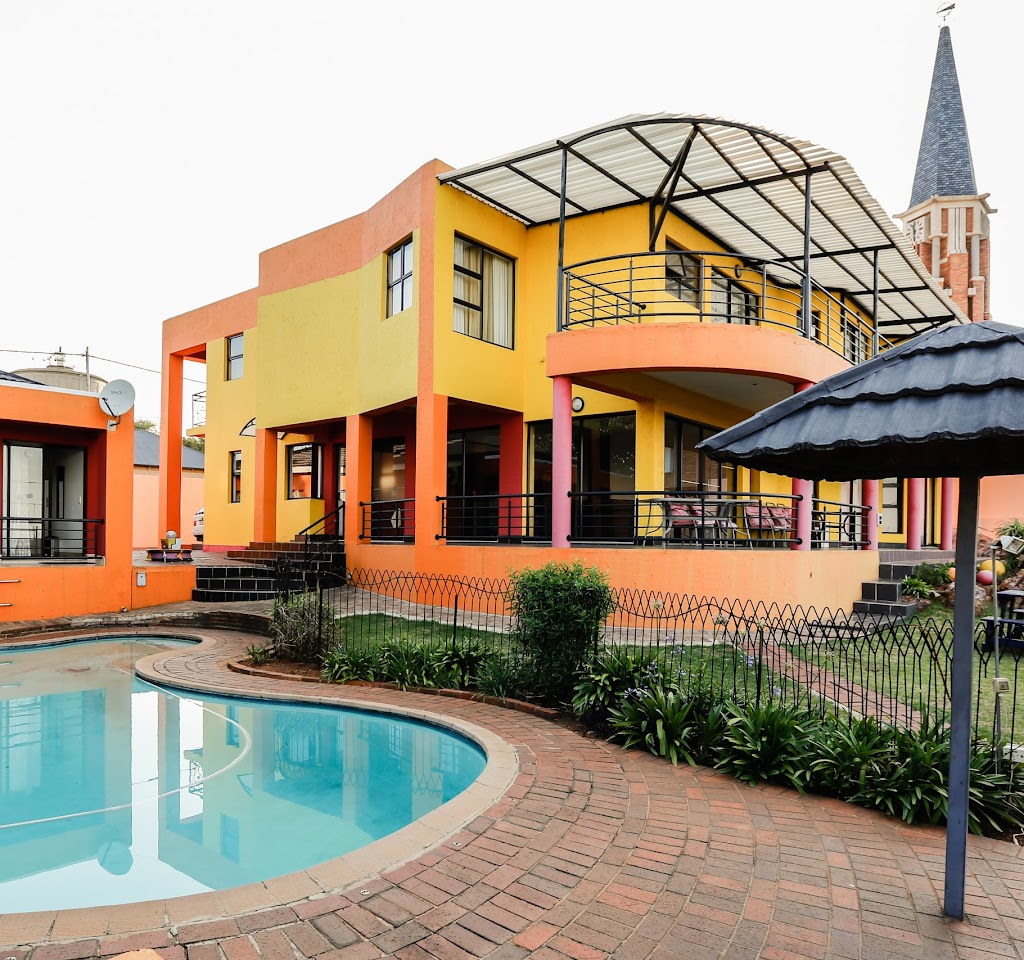
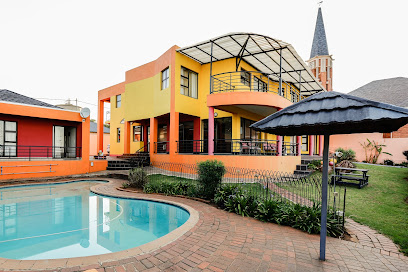
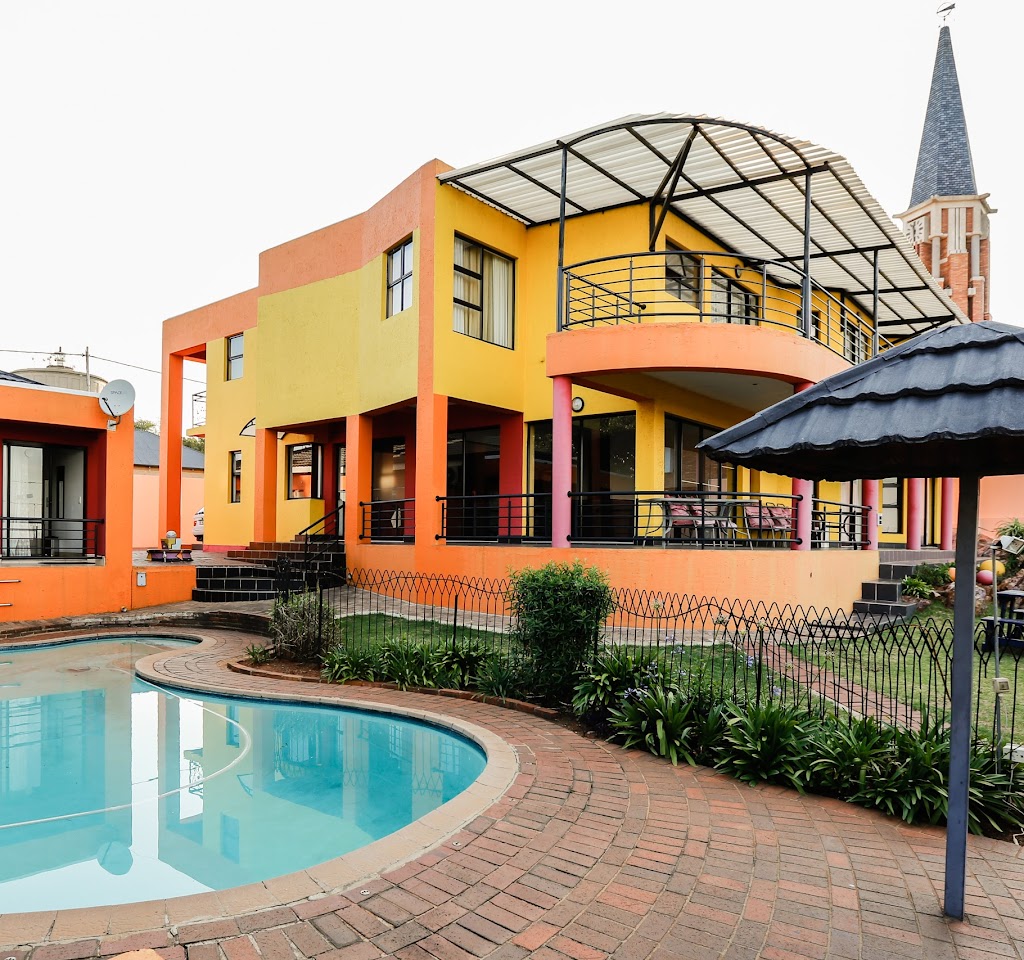
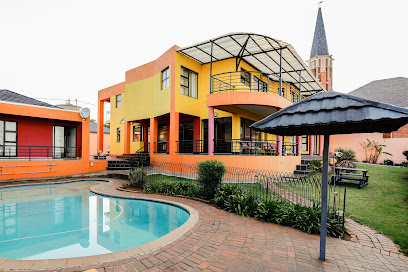
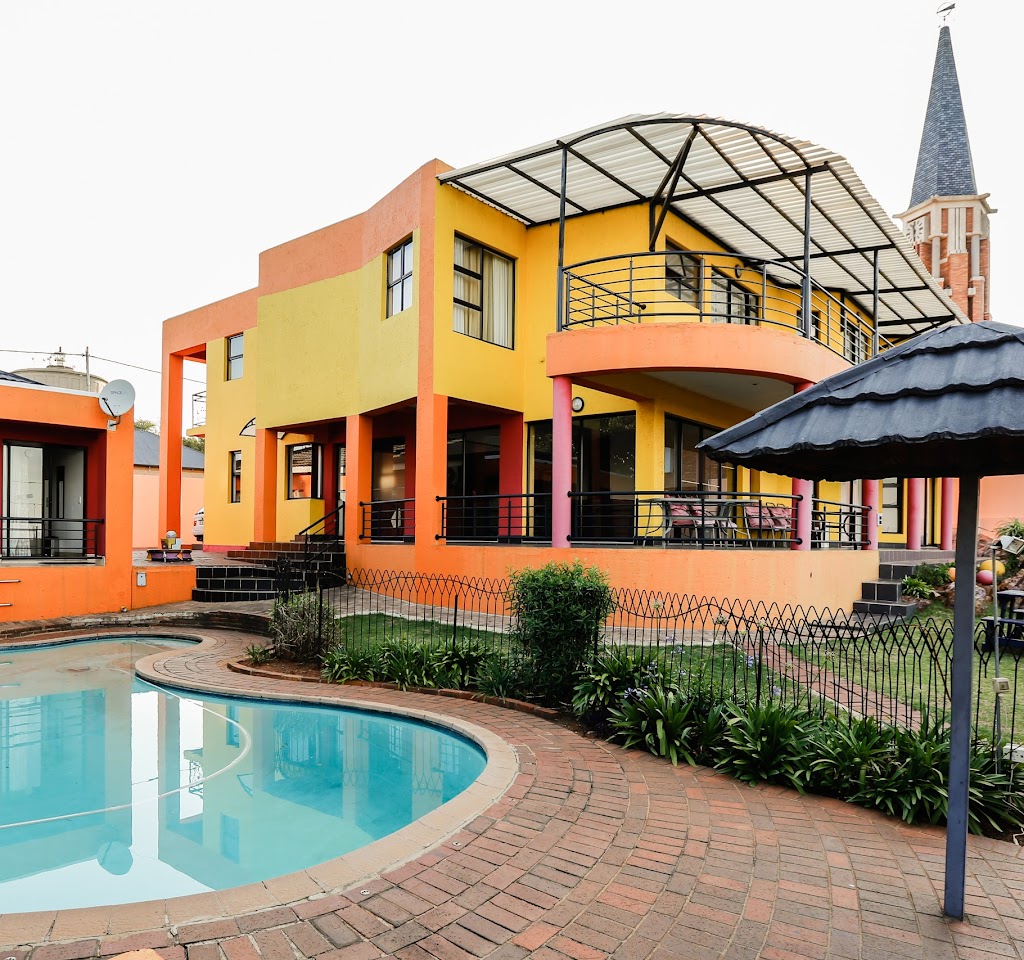
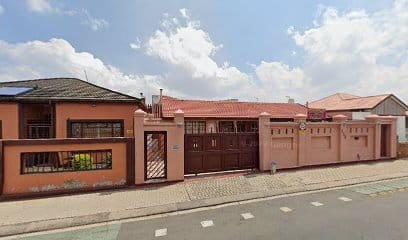
Across Johannesburg, guesthouses and boutique hotels often emphasise personal service, regional hospitality, and a sense of place. You may find ensuite rooms, shaded courtyards, and breakfast offerings that feature local ingredients. A highlighted example of a local option is Grand View Bed & Breakfast, which presents itself as a welcoming stay with a focus on comfort and convenience in a central location. For more information, visitors can explore the venue’s official website: Grand View Bed & Breakfast.
Diners, markets, and neighbourhood colours
Johannesburg’s dining scene mirrors its cosmopolitan makeup, with eateries offering flavours from across Africa and beyond. In central and northern districts, you’ll encounter bustling coffee shops, casual bistros, and more formal restaurants. If you prefer a market atmosphere, certain neighbourhoods host weekend markets where you can sample fresh produce, crafts, and artisanal foods. When selecting places to eat, consider not just price and ambience but also the setting — many venues blend indoor comfort with outdoor seating, greenspaces, or live music that complements an urban exploration itinerary.
Practical tips for a smooth stay
- Request a ground-floor room or a quiet corner if you are sensitive to street noise.
- Confirm security features, including secure parking, safe access, and well-lit entrances.
- Check for reliable Wi‑Fi, power backup in case of outages, and easy access to public transport or airport transfers.
- Pack adapters suitable for South African socket types and temperatures, and plan electricity usage for longer stays.
- Respect local customs and be mindful of personal safety, especially when exploring new areas after dark.
Whether you are drawn by museums and markets, a home-away-from-home stay with a personal touch, or the opportunity to discover Johannesburg’s contrasting neighbourhoods, planning around the right area, sensible transport, and comfortable amenities will enrich your visit. With thoughtful preparation, you can balance restful downtime with dynamic urban discoveries, making the most of your time in this vibrant city.