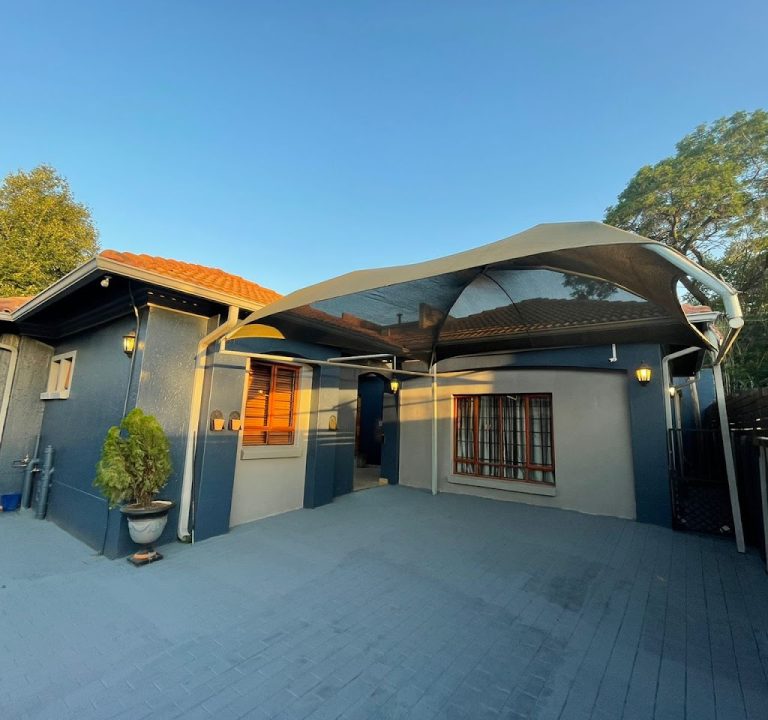
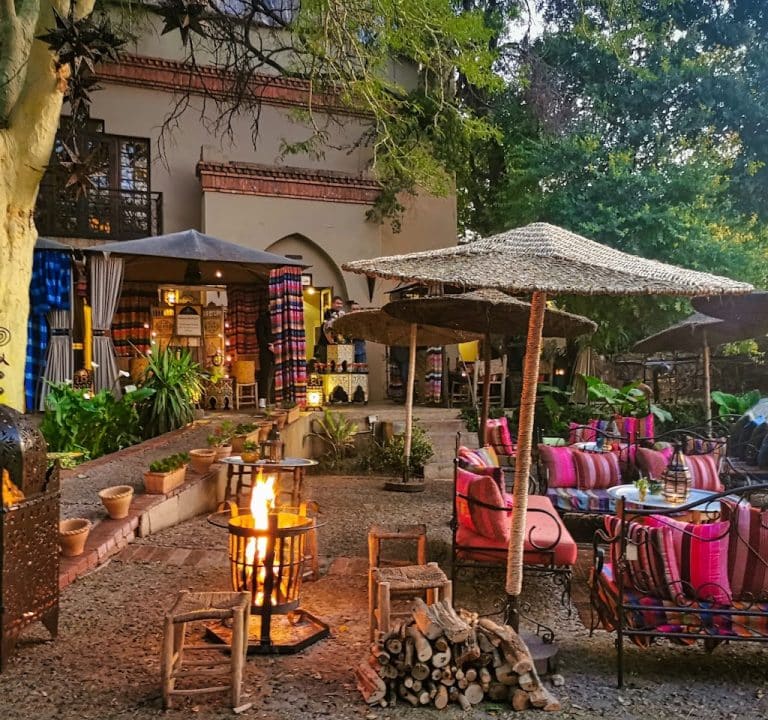
Accommodation and Attractions in Pretoria, Gauteng: A Traveller’s Guide
Pretoria, the capital city of Gauteng, blends leafy suburbs with a dynamic urban edge, offering a range of stays from stylish BnBs and guesthouses to contemporary hotels. When planning a visit, consider where you want to base yourself to blend ease of sightseeing with restful downtime. Central areas such as the city centre and Arcadia are convenient for exploring government precincts and museums, while the northern suburbs around Menlo Park and Brooklyn provide a quieter, pattern of coffee shops, restaurants and green spaces. For those who prefer a more leafy, residential feel, Waterkloof and surrounding enclaves offer upmarket options with easy access to embassies and parks.
Accommodation in Pretoria tends to be well equipped with thoughtful amenities to help visitors feel at home. Typical offerings include free Wi‑Fi, complimentary breakfast, parking facilities, and occasionally small gym or pool areas. Many properties also provide guest lounges, on-site eateries, and secure access. When selecting a stay, consider the pace of your itinerary: a compact city centre base can reduce travel time for daily sightseeing, while a suburban retreat may deliver a calmer atmosphere and easier access to nature trails.
Booking considerations to guide your choice include distance to key sights, transport options, and the vibe you want for your trip. If you plan to rely on public transport, look for properties near major routes or stations, and check whether there is safe, well-lit access from the property to the street. For drivers, convenient on-site parking is a practical perk, especially if you intend to explore wider Gauteng on day trips. For those who value local character, boutique guesthouses often provide a more personalised welcome, with hosts who can share up-to-date tips on neighbourhood cafés, markets and seasonal events.
Typical amenities in Pretoria’s accommodation scene range from well-equipped en suite rooms to self-contained suites and apartments. You may find features such as air conditioning, tea and coffee facilities, workspaces, and in-room safes. Several properties offer child‑friendly rooms or suites, making Pretoria a reasonable choice for families. If you plan a longer stay, self‑catering flats or kitchenette facilities can be particularly convenient. Always confirm breakfast arrangements, dining options, and access policies for late check‑in ahead of arrival.
Transport is straightforward in Pretoria. The city is linked to Johannesburg by the Gautrain network, which provides fast, dependable connections to the city’s northern suburbs and OR Tambo International Airport. Within the city, Uber and other ride‑hailing services are widely available, and many hotels coordinate airport transfers or local shuttle options. In addition, Pretoria’s well‑planned road network makes car hire a feasible choice for guests who want the freedom to explore beyond the capital’s core. If you intend to self‑drive, allow time for peak traffic in the morning and late afternoon.
The best time to visit Pretoria generally falls outside the peak heat of summer and the chilliest winter days. Spring (September and October) brings pleasant temperatures for outdoor sights such as gardens and parks, while autumn (March and April) offers comfortable weather with fewer crowds. Summer can be hot, but it is also when many outdoor markets and cultural events take place. Winter visits tend to be cooler, with crisp mornings and clear skies; this can be ideal for city touring if you prefer cooler temperatures. Always check local event calendars for openings and exhibitions that may enrich your stay.
Top experiences to weave into a Pretoria itinerary include a stroll through parkland around the Union Buildings and Voortrekker Monument precincts, a visit to the Galaxy of Light or botanical displays in large urban gardens, and a relaxed afternoon in historic suburbs where café culture thrives. Museums and cultural centres offer insight into the city’s diverse history and art. For those who enjoy nature and family-friendly outings, nearby nature reserves and gardens provide ample space for an easy day trip.
Where to eat and drink: Pretoria’s restaurant scene covers a broad spectrum, from casual bistros to refined dining rooms in stylish properties. Look for places that showcase local ingredients, farm-to-table concepts, or menus with regional South African influences. Options may range from modern urban cafés to elegant dining rooms, many located near central hubs or within well‑established residential districts. If you have dietary preferences, most venues are accommodating and happy to discuss menu options in advance.
Practical tips for a smooth stay in Pretoria:
- Check access and security features, especially for residential-style stays in suburban neighbourhoods.
- Ask hosts or front desk staff for public transport tips, safe walking routes, and current local advisories.
- Plan day trips with travel time in mind, allowing for traffic patterns between morning and evening peaks.
- Keep a light bag with essentials for day trips, including sunscreen, water, and a light layer for air‑conditioned interiors.
- Bring or rent a reliable map or use a trusted travel app to navigate parks, museums, and shopping districts.
For those seeking assurance of a well‑rounded stay, look for accommodation with a trusted local reach: easy access to central sights, a quiet room for rest after busy days, and honest guidance from hosts about where to find the best markets, viewpoints and coffee roasters. Pretoria rewards travellers who mix strategic planning with a little flexibility, leaving you more time to enjoy its gardens, museums, and the welcoming pace of South Africa’s administrative heart. For further inspiration and booking options, you can explore official tourism resources and individual property websites for real‑world listings and practical details such as availability and nearby facilities.