Accommodation and Experiences in Pretoria, Gauteng: Planning Your Stay
Whether you are visiting Pretoria for business, culture, or a relaxed city break, the capital of Gauteng offers a range of welcoming places to stay and a variety of experiences to suit different tastes. When planning a visit, think about your preferred neighbourhood, the pace you want, and how easy it is to access the city’s key sights and dining scene. Pretoria combines leafy residential streets with vibrant urban hubs, making it easy to tailor an itinerary around a comfortable home base.
Areas to consider for accommodation include central neighbourhoods with easy access to government precincts, museums, and parks, as well as quieter suburbs that still offer good transport links. In central districts you’ll find guesthouses, boutique hotels, and self‑catering apartments that are well connected to major routes and public transport. Suburban areas with a mix of residential charm and dining options can provide a calmer atmosphere, often with more space and parking. For those planning longer stays or families, self-catering lodges and apartment-style lodgings can offer practical convenience alongside a warm, home‑from‑home feel.
When booking, look for clear details about room configuration, bed type, and privacy. If you need a home office or reliable Wi‑Fi, check the property’s stated amenities and guest reviews. Safety is a priority in Pretoria, so pay attention to secure parking, 24‑hour reception, and well‑lit surroundings. Consider properties with self‑check‑in options for flexible arrivals, and ask about housekeeping frequency if you prefer fewer daily interruptions. Accessibility features can be important for some travellers, so request details about ground-floor rooms or lifts if required.
Typical amenities in Pretoria’s accommodation range from en‑suite bathrooms and air conditioning to tea and coffee facilities, blackout curtains, and on‑site parking. For longer stays, guesthouses and serviced apartments may offer kitchenettes or full kitchens, washing facilities, and common guest areas. A continental breakfast or nearby café options are common in smaller lodgings, while boutique hotels often provide additional touches such as curated local recommendations, guided city walks, or shuttle services within a reasonable radius. If you value a social atmosphere, look for places with communal lounges or courtyards where you can mingle with other travellers.
Transport and getting around are key considerations. Pretoria is well served by a network of main roads and the Gautrain links to Johannesburg and OR Tambo International Airport, making day trips straightforward. For central sights, many properties provide easy access to Uber, taxi services, or shuttle arrangements. If you plan to explore beyond the city, a car can be convenient, though traffic can vary, especially during business hours. Public transport within the city exists but can be limited in some areas, so checking proximity to bus routes or main thoroughfares can save time.
The best time to visit Pretoria is during the spring and autumn months when the weather is milder and the landscapes are especially pleasant for walks in parks and hillier viewpoints. Summer can bring warm days with thunderstorms, while winter is typically cool and dry. If you’re keen on leafy neighbourhood strolls, spring’s fresh blooms are particularly appealing. Events and markets feature throughout the year, offering a chance to sample local foods and crafts without needing to plan around peak tourism periods.
When planning activities, consider a balanced mix of cultural sights, outdoor spaces, and dining experiences. Pretoria is known for its impressive government and heritage sites, expansive parks, and creative dining scenes. You might begin with a curated stroll through historic streets, followed by a visit to a major monument or museum, and then a relaxed evening in a district known for friendly cafés or wine bars. For families or travellers seeking a gentle pace, large gardens and botanical spaces provide safe, scenic settings, while art districts and markets offer engaging, informal encounters with local makers.
Foodies will find a diverse range of dining options, from casual eateries serving comforting favourites to more contemporary venues presenting seasonal dishes. In choosing restaurants, look for places that emphasise warm service, seasonal ingredients, and accommodating menus. Many venues in Pretoria also host live music evenings or themed nights, which can be a pleasant way to end an evening after a day of sightseeing.
Practical planning tips:
- Book accommodation with clear cancellation terms in case plans change.
- Check the proximity of your lodging to preferred sights and to transport hubs.
- Pack layers for variable inland weather and bring a comfortable pair of walking shoes.
- Research neighbourhoods in advance to align with your travel style—whether you prefer bustling urban areas or quiet residential streets.
- Look for places with flexible check‑in times or self‑check‑in options to minimise arrival stress.
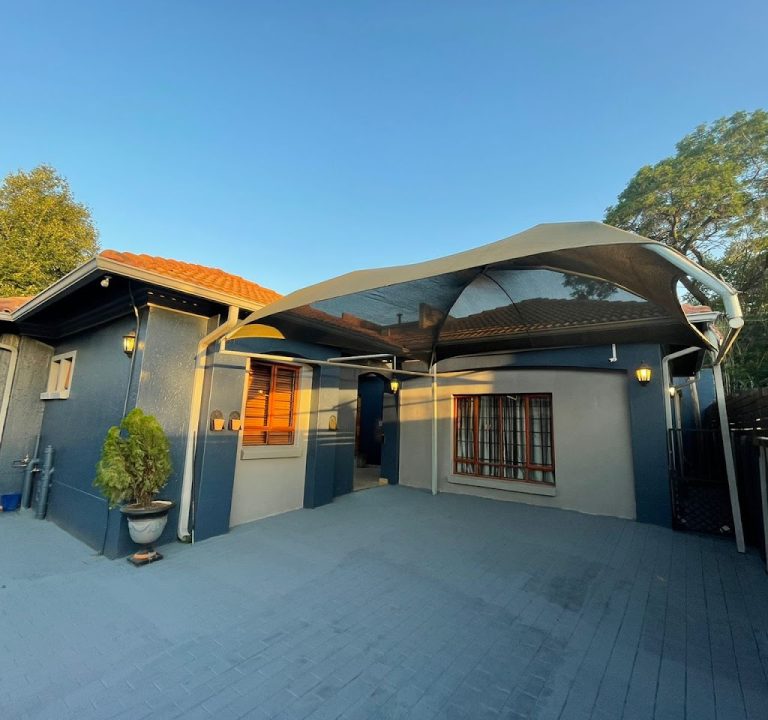
One example of the kind of lodging you might consider is El-Nise Guest House, a property described as indoor lodging with a focus on guest comfort. While exact details vary, such establishments typically offer a warm, intimate setting with thoughtful amenities, making it a sensible base for exploring the city’s breadth of attractions. For further planning, it is wise to consult trusted guest reviews and the accommodation’s official website for the latest information on facilities and nearby activities.
To make the most of your Pretoria stay, blend convenient bases with day trips that showcase Gauteng’s landscape and heritage. Whether you choose a central guesthouse close to museums and government precincts or a quieter suburb with easy access to parks and markets, Pretoria rewards curious travellers with a well‑paced itinerary, friendly hospitality, and a sense of the city’s evolving character.