Staying in Cape Town: Accommodation, Attractions and Practical Planning
Cape Town presents a richly varied tapestry of neighbourhoods, scenery and experiences, making it a rewarding destination for any traveller. From bright coastal streets to tranquil vineyards and mountain viewpoints, your choice of base will shape your days. Self-catering options such as Marigold offer convenient stays in popular areas while offering flexibility for those who prefer a home-from-home vibe. (See https://airbnb.com/h/marigoldcapetown for a representative example of a well‑located, self‑catering retreat.)
When planning where to stay, consider what you most want to explore. The City Bowl and Central Business District provide easy access to museums, markets and a compact urban feel. The Atlantic Seaboard, including areas near Camps Bay and Clifton, offers long beaches, sunset scenery and stylish dining. The V&A Waterfront blends harbour views with shopping and entertainment, while neighbouring Green Point and De Waterkant offer a lively, walkable atmosphere with good transport links. For a quieter pace, the Southern Suburbs, Constantia and the Cape Winelands day-trips present leafy streets, wine estates and mountain backdrops. Think about travel times to your day trips, as peak traffic can affect plan reliability in busy periods.
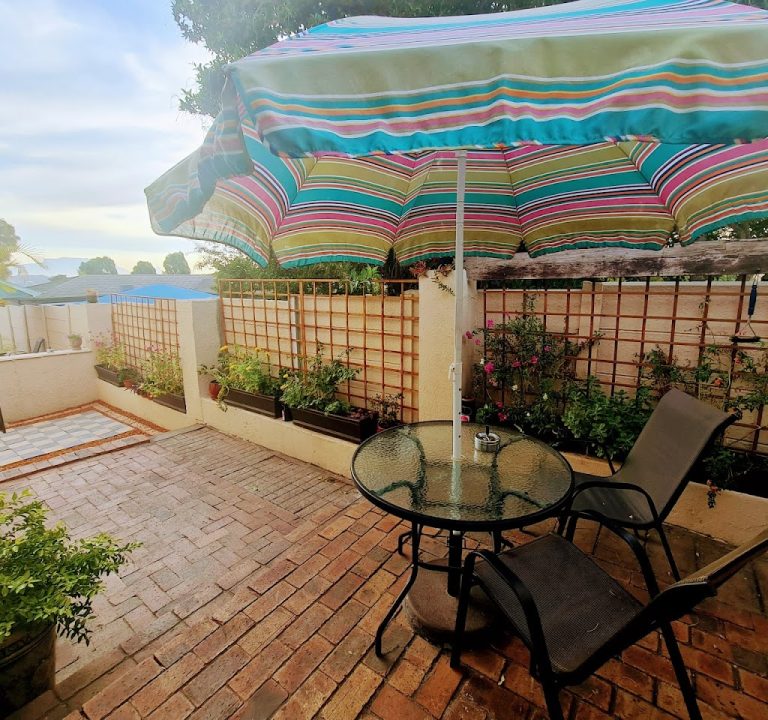
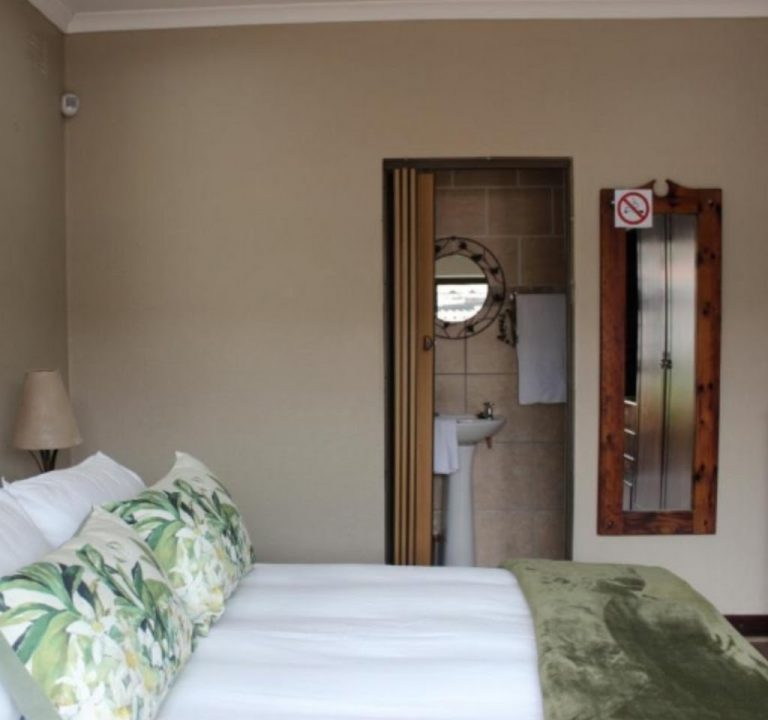
Typical accommodation varies from stylish guesthouses and boutique hotels to self‑catering flats and larger apartment blocks. When booking, look for clarity about the layout, access to a kitchen, and whether there are private outdoor spaces or easy parking. Properties that provide secure entry, reliable hot water and consistent wi‑fi tend to deliver a smoother stay. If you prioritise a home away from home, a self‑catering option can be a practical choice, allowing you to shop for fresh produce at local markets and prepare meals at your own pace.
What to look for when booking
- Location relative to the areas you plan to visit, and access to public transport or parking
- Kitchen facilities: sizes, appliances, and whether basic cooking essentials are provided
- Guest reviews focusing on cleanliness, privacy, and check‑in ease
- Air conditioning or heating, as Cape Town’s climate can vary with the season
- Safety features such as secure entrances and neighbourhood crime considerations
- Direct contact with the host or property manager for flexible arrangements
Typical amenities you might encounter include well‑equipped kitchens or kitchenettes, laundry facilities, private or communal outdoor spaces, solar power or contingency generators, and off‑street parking. Some properties may offer guidance on local routes, self‑guided walking tours, and tips for markets, beaches and viewpoint spots. In summer, a property with good airflow and shaded outdoor areas can be a real asset; in cooler months, a cosy living area and reliable heating become more valuable.
How to plan transport during your stay
- Public transport is available but not always extensive; a car, ride‑hailing services, or organised transfers can facilitate longer excursions to beaches, wine farms and the Cape Peninsula route
- South Africa’s road rules are straightforward for international visitors, but drive carefully along coastal roads where winds can be strong
- Some areas offer pedestrian‑friendly streets and compact centres, making walking or cycling pleasant for day‑to‑day activities
- Check if your accommodation provides details about local shuttle options or tips for safe, well‑lit routes after dark
Best time to visit Cape Town
Cape Town enjoys a mild Mediterranean climate with peak sunshine in the austral summer (roughly November to February). This is when beaches feel most inviting and outdoor dining thrives. Winter (May to August) brings cooler days and the possibility of rain, but it is an excellent time for quieter markets, fewer crowds and lush green scenery in surrounding gorges and mountains. If you are planning coastal hikes or scenic drives, pack layers and be prepared for micro‑climates that can change quickly along the Table Mountain region and the Peninsula.
Practical tips for a smooth stay
- Book early for peak seasons and school holidays, especially if you favour popular neighbourhoods close to the water or city centre
- Budget for a mix of meals out and self‑catering, balancing local dining experiences with relaxed evenings in
- Inspect the property’s security features and confirm how access is arranged if you arrive late
- Consider a lightweight travel guide or offline map to help with navigating on days when mobile signal is variable
- Respect local communities and natural spaces; plan day trips with responsible tourism in mind, keeping waste and respect for wildlife to the fore
Attractions and experiences in broad terms include sweeping viewpoints over the Atlantic coast, historic neighbourhoods with cafés and markets, ship and harbour perspectives at the waterfront, and guided tours that explore geology, flora and wine culture nearby. Restaurants range from casual bistros with fresh seafood to refined eateries offering contemporary takes on South African produce. Whether you are drawn to nature, city culture or vineyard pursuits, Cape Town rewards careful planning with a stay that balances convenience, atmosphere and a sense of discovery.