Stellenbosch: Accommodation and a Taste of the Western Cape
Stellenbosch, in the Western Cape’s Cape Winelands, offers a compact, walkable town centre alongside sprawling vineyards and mountain scenery. Whether you want cosy guesthouses, stylish boutique hotels, or self-catering cottages on wine estates, the area provides a range of mid-range to premium stays that suit couples, families, and small groups. Planning a stay here means balancing convenient access to town facilities with easy reach to vineyard experiences and scenic outings in nearby valleys.
Areas to consider when booking include the centre of Stellenbosch itself, which is ideal for strolling to museums, galleries and cafés, and the road‑framed wine estates spread outwards towards the Jonkershoek Valley and the Devon Valley. If you prefer a vineyard atmosphere with a touch of countryside calm, look for lodges or boutique hotels on estates with mature gardens, fruit trees, or hillside views. For modern amenities and simple access to wine routes, an option in nearby towns such as Franschhoek or Somerset West can also work well for day trips.
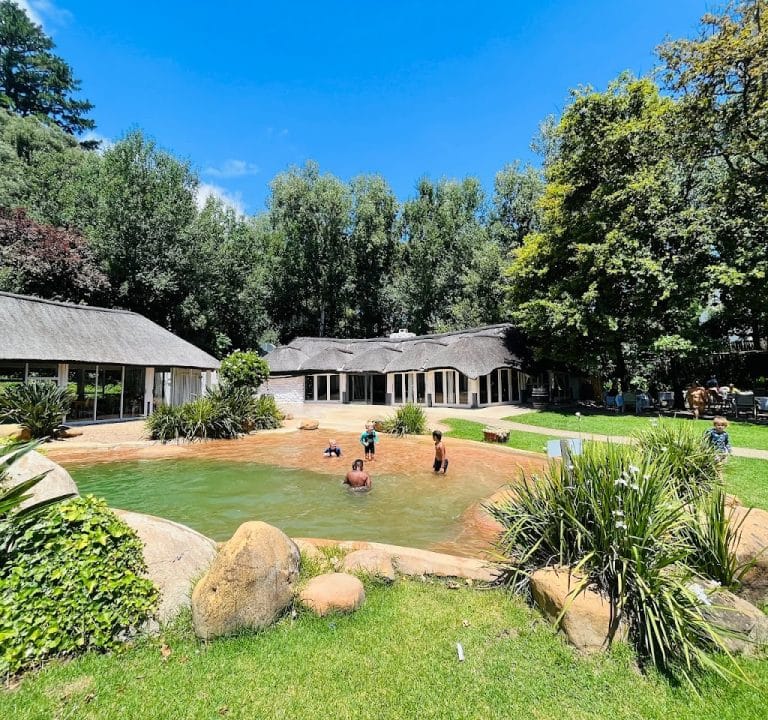
Typical amenities you might expect include free Wi‑Fi, air‑conditioning or ceiling fans, on-site parking, and breakfast options ranging from continental spreads to artisanal, locally sourced fare. Some properties offer additional perks such as outdoor pools, spa facilities, or small kitchenettes in suite-style accommodation. When booking, check whether the price includes breakfast, whether there is a restaurant onsite, and what the policy is for children or extra beds. If you rely on public transport, confirm proximity to a taxi service, bus routes, or the possibility of transfers to nearby wine estates and attractions.
Transport in Stellenbosch is easier with a car, giving you flexibility to explore the wine routes, farms, and the surrounding towns. Parking is often available at guesthouses and hotels, sometimes at a small surcharge. For visitors who prefer not to drive, some properties arrange transfers or can recommend reliable local guides. It’s also worth noting that many cellar doors operate during the late afternoon into early evening, so planning for a wine tasting route on specific days helps you avoid peak traffic and ensure you can dine nearby after tastings.
Best time to visit blends climate and activity. Spring (September to November) brings blooming vineyards and pleasant daytime temperatures, while autumn (March to May) is harvest season and a wonderful time for tastings and light hiking. Summer (December to February) offers long days, but can be busier with peak tourist activity. Winter (June to August) is cooler and calmer, with occasional rain; it’s still a good time to explore museums, indoor dining, and cosy fireside evenings at boutique inns. If you plan a winery-focused itinerary, consider weekday visits to tasting rooms to avoid weekend crowds.
Practical tips to make the most of your stay:
- Book accommodation with a flexible cancellation policy where possible, as regional weather and travel schedules can change plans unexpectedly.
- Look for properties with secure parking, easy access to main roads, and clear directions to nearby attractions.
- Ask about on-site dining options, kitchen facilities, and whether there are communal spaces suitable for groups.
- Consider an itinerary that balances town culture with wine estate visits to avoid long days in the car.
- Pack comfortable walking shoes for town streets and vineyard paths, plus a light jacket for cooler evenings.
- Check whether your chosen stay offers recommendations for winery estates, vineyards with scenic viewpoints, and local eateries.
In terms of experiences, Stellenbosch presents a gracious blend of history, culture and countryside. While the town centre is rich with heritage architecture and a compact museum quarter, the surrounding winelands invite you to explore hillside estates, cellar tours, and wine pairing menus that emphasise regional varietals. For a day trip, consider a scenic drive through the nearby valleys, stopping at reputable estates for tastings and a meal with farm-to-table influences. The broader region offers outdoor pursuits such as gentle hikes in the surrounding mountains and nature reserves, as well as markets and art galleries that showcase local makers.
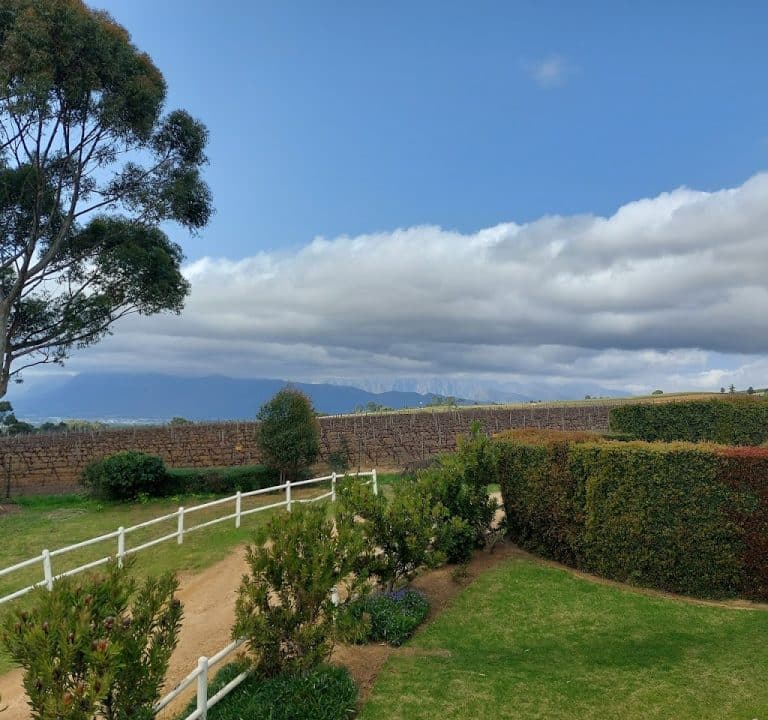
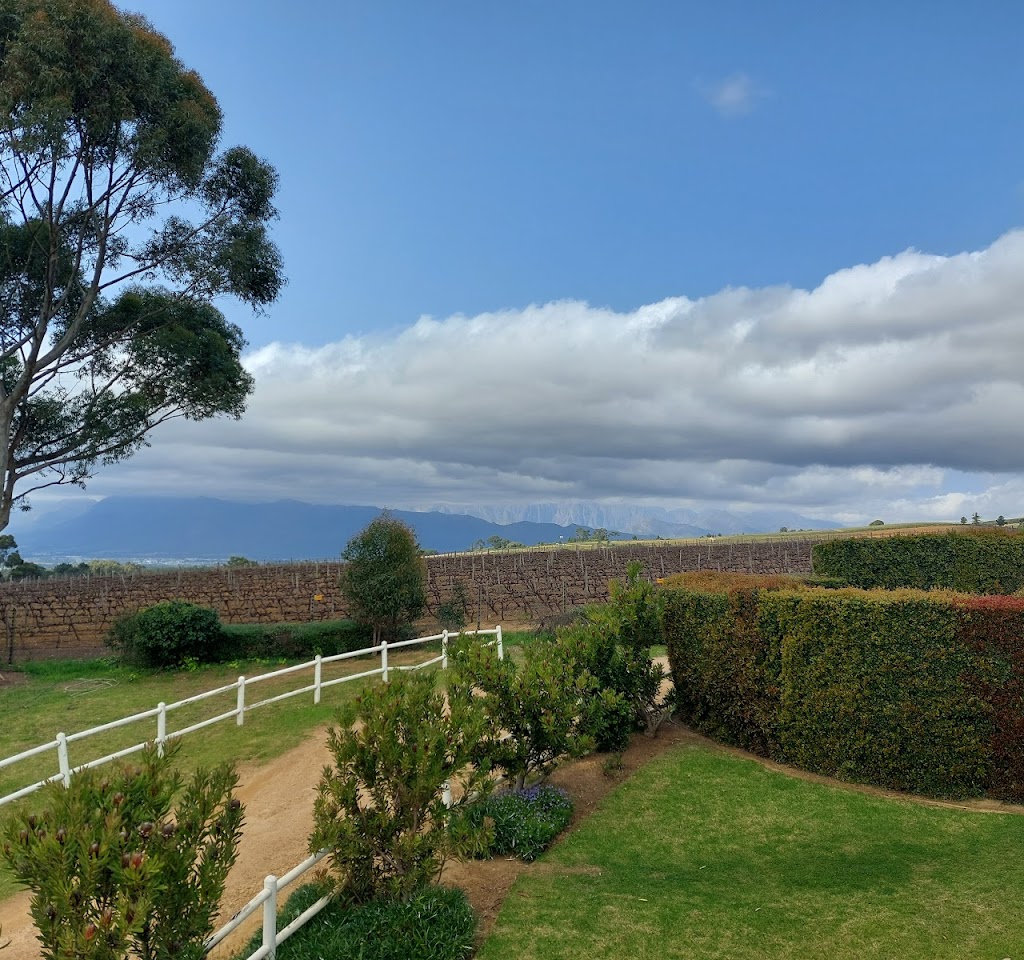
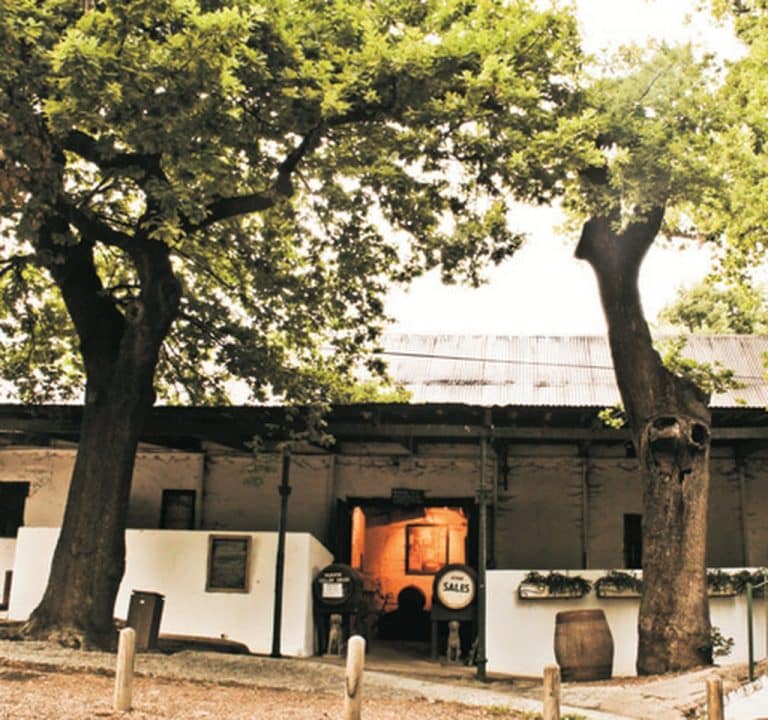
A notable example of the wine‑culture landscape nearby is Marianne Wine Estate, a winery with a presence in the area that welcomes visitors to its estate. It can be a good addition to a wine‑route plan, complementing tastings at other cellars with a place to learn about the region’s viticulture and to enjoy a relaxed tasting session. Further information about such estates is generally available through their official website pages, which can provide opening hours and current visiting guidelines.
When it comes to dining, expect a range of options from contemporary bistros to more rustic farm‑to‑table eateries. Many establishments aim to pair wine with seasonal dishes, using local ingredients to reflect the terroir of the Western Cape. For diners preferring casual meals, you’ll find cafés and brasseries in the centre offering light meals, coffee, and baked goods. If you are planning a self‑catering stay, a local grocery store or market will provide fresh fruits, vegetables, cheeses, and bread to prepare a relaxed evening in your accommodation.
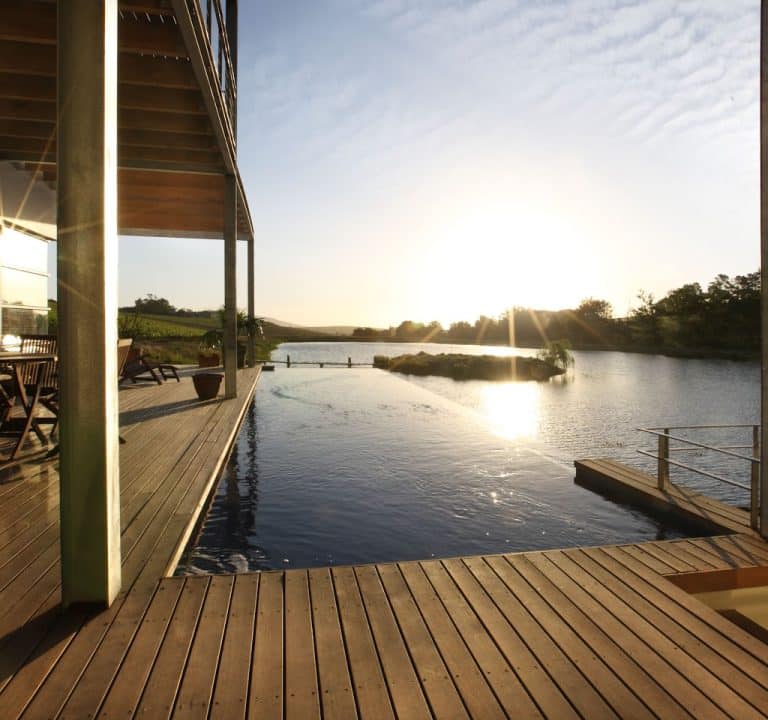
Ultimately, a stay in Stellenbosch offers a balanced blend of comfortable accommodation, scenic landscapes, and accessible winery experiences. By selecting a location that suits your pace—whether you want the convenience of the town centre or the tranquillity of a vineyard setting—you set the tone for a memorable visit to the Western Cape.