Muratie Wine Estate is a Attractions establishment in Stellenbosch, Western Cape, South Africa
About Muratie Wine Estate: A Historic Stellenbosch Experience
Muratie Wine Estate sits on the steep slopes of the Simonsberg Mountain, within the scenic Knorhoek Valley north of Stellenbosch. It is described as one of the most atmospheric destinations in the region, where time seems to slow and centuries of stories come to life. The estate is celebrated for its authentic Cape wine farm ambience, inviting visitors to immerse themselves in a living narrative that combines wine, history and warm hospitality.
From the moment visitors arrive, Muratie presents a sense of place rooted in its rich heritage. The estate dates back to 1685 and has passed through a succession of colourful owners, each contributing to the evolving character of the farm. Today, Muratie is under the stewardship of the Melck family, whose roots on the property underscore a deep commitment to preserving history while guiding the estate toward a forward-looking future. The storytelling at Muratie—ranging from historic figures to ongoing family narratives—forms a central feature of the visitor experience.
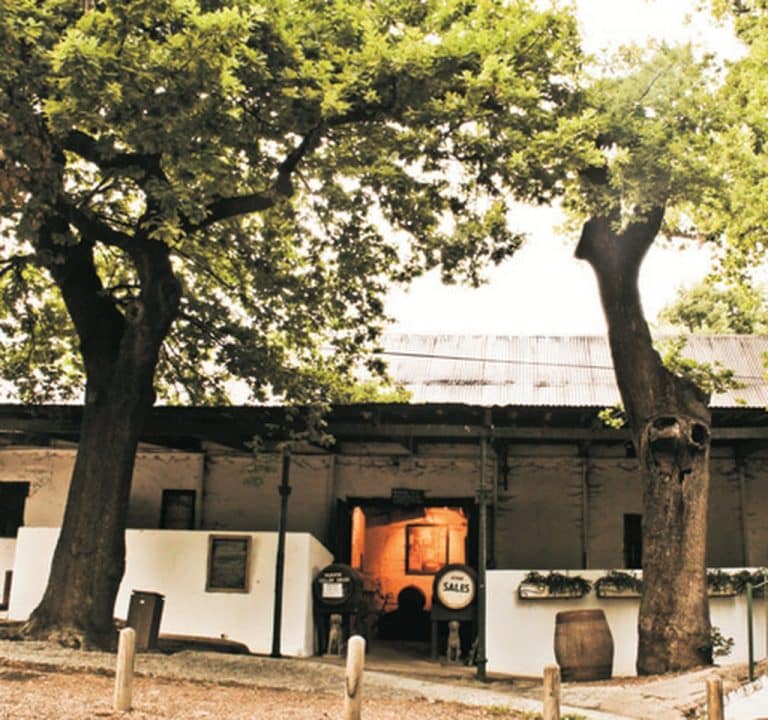
Wine at Muratie is presented as more than a product; it is a story told through each bottle. The estate’s approach emphasises a intimate connection to the land, with vines tended in blocks that reflect careful attention to terroir. In the cellar, traditional methods sit alongside modern techniques, resulting in wines crafted with a respect for site and a emphasis on precise, patient winemaking. A tasting in Muratie’s cobwebbed tasting room or a guided tour of the cellar—and its distinctive concrete fermenters and romantic chandelier—offers guests a tangible sense of the estate’s character. The experience often includes insights into the origins of the wines’ names and the people who inspired them, making a visit to Muratie feel like stepping into a living storybook of the Western Cape wine landscape.
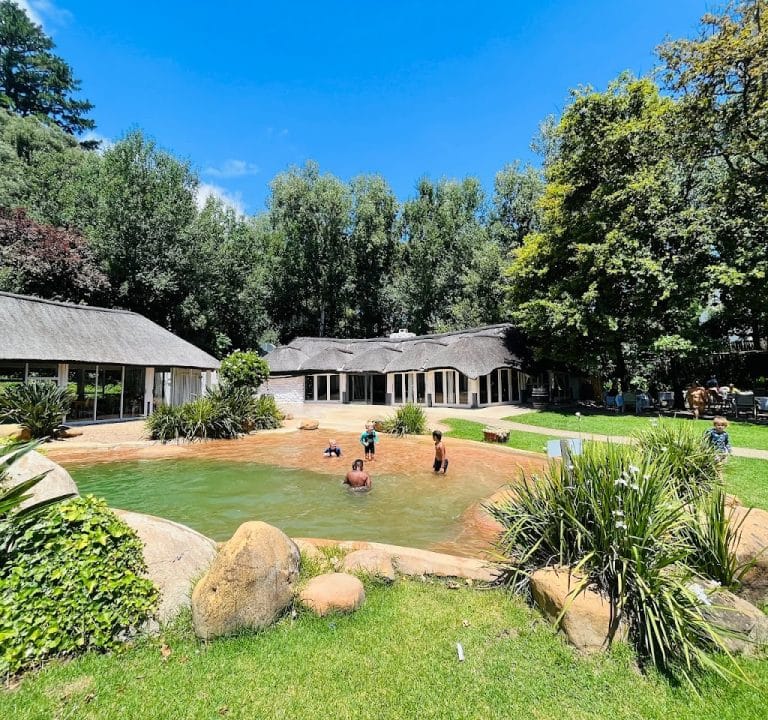
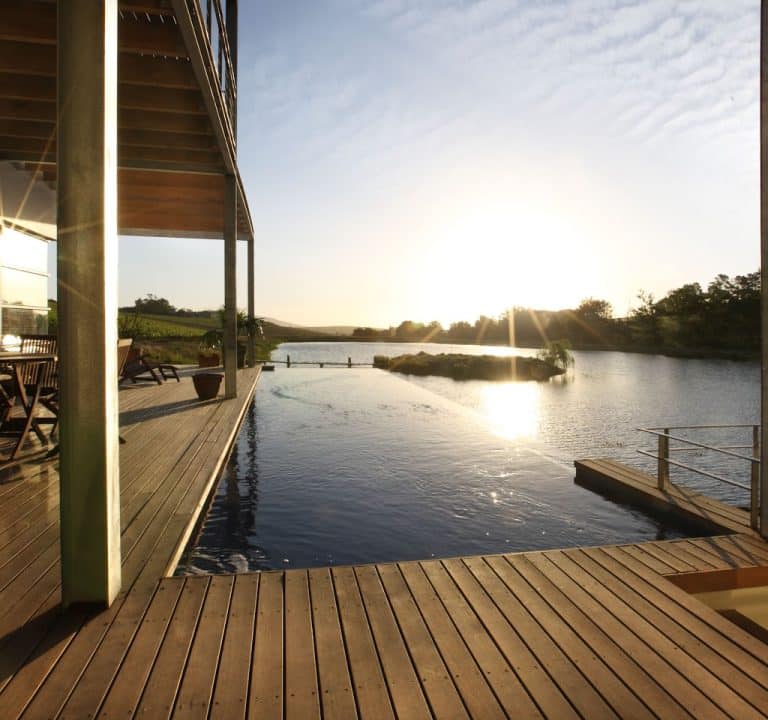
The estate’s setting further enhances its allure. Muratie’s location on the slopes of a historic hillside provides expansive views and an air of rustic elegance. The surrounding scenery, with vineyards and mountains as a backdrop, complements the intimate tasting experiences and the chance to observe Muratie as a working farm. The atmosphere is typically described as welcoming and authentic, with staff and hosts guiding guests through the legacy of the site and the wines that bear its name.
Accommodation and on-site facilities are described in terms of mood and experience rather than a straightforward hotel offering. The focus at Muratie is on the wine, the stories, and the sense of place—a combination that appeals to visitors seeking more than a conventional tasting. Guests choose Muratie for the opportunity to connect with history and heritage while enjoying the sensory pleasures of wine, landscape and culture in a single, compact visit.
For those planning a visit, Muratie’s location makes it a natural stop in a Stellenbosch itinerary. The estate is part of a broader tapestry of historic wine farms and cultural sites in the region, offering an authentic alternative to more commercial experiences. The setting is particularly well-suited to travellers who value narrative depth and a sense of discovery alongside their wine-tasting journey.
In terms of activities, Muratie emphasises wine tastings and cellar experiences as core offerings. Visitors may encounter stories behind the estate’s wines, hear about the individuals who inspired the labels, and gain insight into the historic milestones that mark Muratie’s centuries-long operation. The attraction is aligned with a broader Stellenbosch experience that combines gastronomy, art and wine with scenic beauty, enabling guests to pair a winery visit with other regional delights.
Nearby highlights include the broader Stellenbosch wine route, historic towns, and mountain scenery that characterise the Western Cape. Exploring the Knorhoek Valley and surrounding hillside landscapes provides an authentic sense of the area’s character, while access to Stellenbosch proper offers additional dining, shopping and cultural options. The overall experience at Muratie blends wine appreciation with a sense of place, history and perpetual storytelling, making it a memorable waypoint for travellers exploring the Cape winelands.
Booking and travel tips for Muratie emphasise planning ahead to secure a preferred tasting slot and to coordinate with other activities in Stellenbosch. Visitors are encouraged to explore the estate’s official site for the latest tasting experiences, seasonal offerings and any special events. Given Muratie’s heritage focus, time spent on the estate tends to be best enjoyed with a thoughtful approach to pacing—allowing space for a leisurely tasting, a short tour, and time to absorb the surrounding landscape. For those compiling a Western Cape itinerary, Muratie serves as a refined, story-rich anchor that complements longer winery tours, cultural visits, and mountain scenery.
To learn more, interested travellers can visit Muratie’s official website for details on tastings, tours and seasonal experiences. The site offers a window into the estate’s history, the wines it produces, and the distinctive ambience that defines a Muratie visit. For inspiration and updates, links to social media and newsletters are available, inviting guests to stay connected with the evolving Muratie narrative and forthcoming events.
- Explore the history entwined with Muratie’s wine and landscape
- Enjoy authentic tastings in a cobwebbed tasting room and cellar setting
- Plan a visit that pairs wine appreciation with the surrounding Stellenbosch winelands
Website: Muratie Wine Estate
Stellenbosch
Western Cape
7605
South Africa


Stellenbosch: A Traveller’s Guide to Accommodation, Attractions and Local Delights
Stellenbosch in the Western Cape is a charming fusion of historic university town ambience, wine country splendour and easy access to Cape Town’s coastal beauty. When planning a stay, consider the different neighbourhoods and the pace you want: the town centre offers walkable streets, galleries and eateries; the surrounding vinicultural valleys provide scenic drives, cellar doors and farm-to-table dining; and the higher foothills offer quiet countryside stays with easy access to hiking and outdoor adventures.
Accommodation in Stellenbosch ranges from boutique guesthouses and country inns to self‑catering apartments and elegant small hotels. In town, you’ll find cosy guesthouses tucked down leafy lanes, with hosts who can share local tips and even tailor wine-tasting itineraries. In the valleys and on working wine farms, expect rooms or suites that fuse rustic charm with modern comforts, often surrounded by vineyard views, lavender borders and peacocks wandering the grounds. When booking, think about what will make your mornings easier: is there on-site breakfast, a heated pool for cooler evenings, or a kitchen area if you plan to self-cater? Proximity to the central streets will matter if you want to stroll to restaurants and museums, while a more secluded countryside setting can be ideal for longer relaxing breaks.
Typical amenities to look for include reliable Wi‑Fi, secure parking, comfortable bedding, en-suite bathrooms, and spaces to unwind after day trips. Some properties offer breakfast included, or a kitchen/dining area for guests who prefer a self‑catering option. If you’re visiting during peak season, you may value properties with flexible booking policies, attention to guest safety, and clear information about transport links to the universities, train station and main roads. For a touch of local character, seek out places that have thoughtful extras such as a garden seating area, an honesty bar, or a cosy fireplace for cooler evenings.
Getting around Stellenbosch is straightforward, but planning your transport in advance saves time. In-town stays are convenient for visitors who want to walk to museums, the market, cafés and wine-tasting rooms. If you’re planning day trips to the constant variety of vineyards in the surrounding valleys, a car is often the simplest option. Alternatively, some guesthouses organise guided wine tours or offer recommendations for private drivers. Public transport exists, but a tailored private itinerary can maximise your time, especially if you plan to visit multiple wine farms or venture up to Jonkershoek Nature Reserve for hiking and picnic spots.
The best time to visit Stellenbosch blends warm, dry days with the chance to experience the harvest season in late summer and early autumn. Spring brings colourful gardens and milder temperatures, ideal for cycling or strolling along university‑lined streets. If you’re seeking a classic wine-tasting itinerary, you’ll find many cellar doors spread through the valley floors, with routes that let you sample wines in a relaxed, scenic setting. For those who enjoy markets and evening entertainment, plan weekends around town events and seasonal showcases, while midweek stays can be quieter and potentially more affordable.
When it comes to planning activities, Stellenbosch offers a spectrum of experiences beyond wine. You can enjoy art galleries, historic architecture, and university museums that evoke the town’s long academic and cultural life. In the surrounding countryside, nature lovers have easy access to hiking and cycling trails, with viewpoints over the valley and the distant ocean. For dining, the area is famed for farm-to-table menus, modern takes on South African classics and intimate wine‑fuelled suppers. Many establishments prioritise fresh, seasonal ingredients and pair dishes with wines produced on site or nearby.
To illustrate how an itinerary could unfold, consider a stay in a central guesthouse with a base in the town’s historic streets. Day one might include a morning stroll to art galleries and a late lunch at a light‑flooded café, followed by a cellar-door experience in a nearby valley. Day two could be a short drive to a scenic lookout and a riverside walk, finished with a sunset wine tasting on a working farm. For a dedicated day of wine and scenery, you can plan a route that visits several estates, allowing time for picnics, vineyard tours, and artisan tastings.
As a practical tip, check each property’s transport guidance and whether they can assist with arranging a driver or recommended routes. It’s helpful to know the distance to key areas such as Stellenbosch central, the university campus, and popular wine routes. When booking, consider cancellation policies and whether you’ll need flexibility around peak periods like holiday weekends or harvest time.
Muratie Wine Estate stands as a notable example of a traditional Stellenbosch wine farm rich in history and landscape. It combines a working vineyard with a historic setting, offering tastings and an atmosphere that reflects the region’s storytelling heritage. Visitors can explore their estate at their own pace and learn about the characters and narratives embedded in the wines. For more information, you can visit Muratie’s official website: http://www.muratie.co.za/
In summary, Stellenbosch rewards travellers with a blend of warm hospitality, accessible transport, beautiful scenery and diverse dining choices. By choosing the right neighbourhood and accommodation type, you can tailor a stay that balances relaxation with discovery, while using the surrounding wine valleys as a delicious backdrop to your South African travel experience.
Sorry, no records were found. Please adjust your search criteria and try again.
Sorry, unable to load the Maps API.
Why Claim Your Listing?
Claiming your listing on the B&B Finder directory website is a valuable opportunity for business owners. Here are five reasons why you should consider claiming your listings:
Control Over Business Information: By claiming their listing, business owners can ensure that all the information presented is accurate and up-to-date. This includes details such as contact information, address, pricing, and available services or amenities. Accurate information helps prevent customer confusion and improves overall satisfaction.
Enhance the Listing: Once a listing is claimed, owners can enhance it by adding more comprehensive information and rich media, like high-quality photos and videos. These additions can make the listing more attractive and engaging to potential customers, thereby increasing the likelihood of bookings.
Marketing Opportunities: Claiming a listing can also open up additional marketing opportunities. Owners may be able to participate in promotional campaigns, special offers, and other marketing activities organized by the directory. This can increase visibility and attract more customers to the business.