Johannesburg: accommodation, attractions and planning your stay in Gauteng
Johannesburg is a dynamic hub of culture, history and modern energy, with neighbourhoods that offer very different vibes. From the tree-lined streets of Rosebank to the bustling square metres of Sandton and the creative bustle of Maboneng, there are plenty of options to suit different lengths of stay and budgets. When planning a visit, it helps to think about what you want to experience first and then choose a base that minimizes travel time between your must‑see destinations. A comfortable stay can be found in a wide range of options, including hotels, boutique guesthouses, and lodges that cater to business travellers, families and solo explorers alike.
Areas to consider include:
- Central Johannesburg and the northern suburbs (Sandton, Rosebank, Melville): convenient for business districts, shopping, and easy access to major highways. These areas tend to offer a mix of higher-end hotels and stylish guesthouses with good transport links.
- Johannesburg’s eastern and southern corridors (Braamfontein, Newtown, Hillbrow, Soweto gateways): these pockets are rich in history, culture and nightlife. They often feature more intimate and quirky accommodation options, with close proximity to museums, markets and live music venues.
- Financial and business hubs: for extended stays or if you’re travelling for work, look for properties with reliable Wi‑Fi, workspace-friendly rooms and on-site dining or easy restaurant access.
When booking, look for these typical amenities and features to ensure a smooth stay:
- Reliable wi‑fi, comfortable workspace and sufficient lighting for working guests.
- Air conditioning or good ventilation, especially for warm Gauteng days and nights.
- On-site parking or easy parking options nearby, particularly if you plan to hire a car.
- Concierge or front-desk support with local knowledge for restaurant suggestions and day trips.
- Safe, well‑lit access and clear security arrangements, particularly in busier city areas.
- Flexible check-in/check-out times and clear cancellation policies to fit travel plans.
Transport in Johannesburg is a practical consideration. The city is served by a modern airport with good domestic and regional connections. Within the city there are several options to move around:
- Gautrain and local rail services provide fast links between the airport, Sandton, and other hubs, useful for avoiding road traffic during peak hours.
- High-capacity taxis and ride‑hailing services are widely available, offering convenient door-to-door travel.
- Car hire is a viable option if you plan to explore beyond the city core, such as the northern suburbs or nearby nature reserves.
The best time to visit Johannesburg is subject to weather and event calendars. The city enjoys a warm autumn and spring, with many outdoor events and markets. Winters tend to be dry and mild, while summers can be hot with afternoon thunderstorms. If you prefer cooler temperatures for sightseeing, late autumn or early spring can be ideal, and you’ll likely beat the peak crowds at popular attractions.
Practical planning tips for a comfortable stay:
- Book a property with a 24‑hour reception or clear access instructions if you’re arriving late.
- Choose accommodation with good ventilation or air conditioning to cope with warm days.
- Check if breakfast is included or if there are nearby cafés with reliable options to start your day.
- Consider a mix of areas for different days—a central base for museums and galleries, plus a day or two in a lively, culturally rich neighbourhood for evenings and markets.
As for experiences, Johannesburg offers a range of visitor-friendly activities that can enrich any stay. You might begin with an introductory walk through a major history or cultural precinct, followed by a visit to a nearby market or arts district. City tours can provide context about apartheid history, urban renewal projects, and the story ofSouth Africa’s mining era. For a relaxed day, consider exploring green spaces, local libraries, and modern shopping districts, where you can observe daily life and sample a spectrum of dining options.
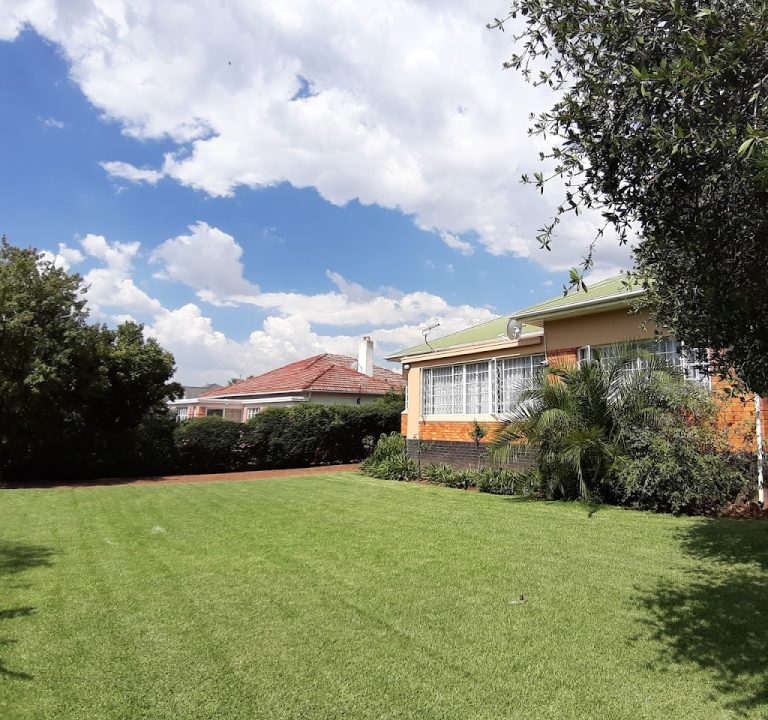
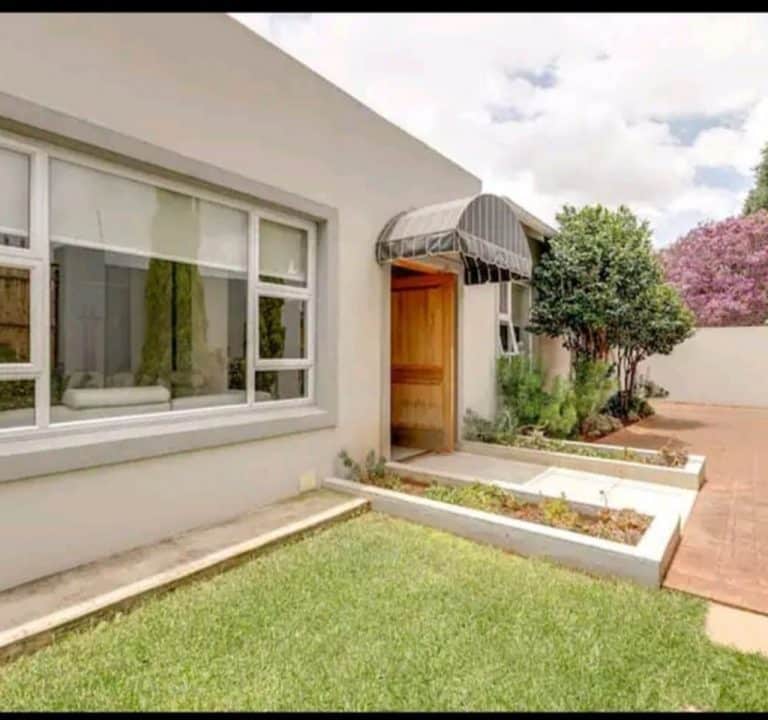
Accommodation examples in Johannesburg range from contemporary hotels to boutique lodges and guesthouses. For travellers seeking a reliable city base with a touch of character, a property such as Marathon Lodge Vip—an example of a comfortable hotel-style stay—could offer well‑appointed rooms, sensible rates, and convenient access to key transport routes. When choosing a stay, read recent guest reviews focusing on cleanliness, staff helpfulness and the consistency of amenities to ensure the experience matches your expectations.
Food and drink in Johannesburg span casual eateries, vibrant street-food scenes and more refined dining rooms. Across districts you’ll find eateries offering traditional South African flavours, modern fusion dishes, and international fare. Markets and food halls in several neighbourhoods provide opportunities to sample a variety of dishes in a relaxed setting, often accompanied by live music or art installations. If you’re planning to dine out, consider making reservations for weekends or busy evenings, particularly in popular areas or at venues with limited seating.
Useful resources for planning and trip ideas include the City of Johannesburg’s official information and local tourism portals, which can offer practical tips, event calendars and area guides. For additional inspiration and practical travel planning, you can explore the city’s official tourism sites and regional guides online.
Website references: City of Johannesburg official site and tourism portals can provide up-to-date information on neighbourhood highlights, transport options and current events. For travellers seeking a broader national context, government and tourism authorities from South Africa may also offer helpful itineraries and practical travel advice.