St Lucia, KwaZulu-Natal: Accommodation planning, attractions and dining for a traveller-friendly stay
St Lucia in KwaZulu-Natal offers a relaxed, nature‑focused base for visitors exploring the iSimangaliso Wetland Park and the broader St Lucia Estuary area. The town centre is compact and walkable, while nearby lodges, self‑catering chalets and guesthouses provide a range of comfort levels and access to wildlife-friendly activities. When planning a stay, consider how you want to balance self‑catering convenience with guided experiences, particularly for wildlife viewing and boat tours.
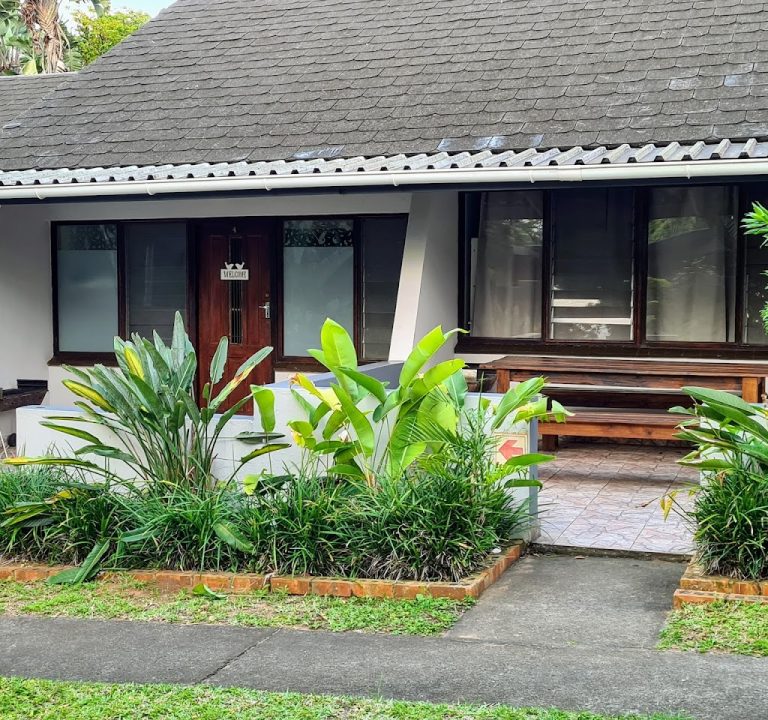
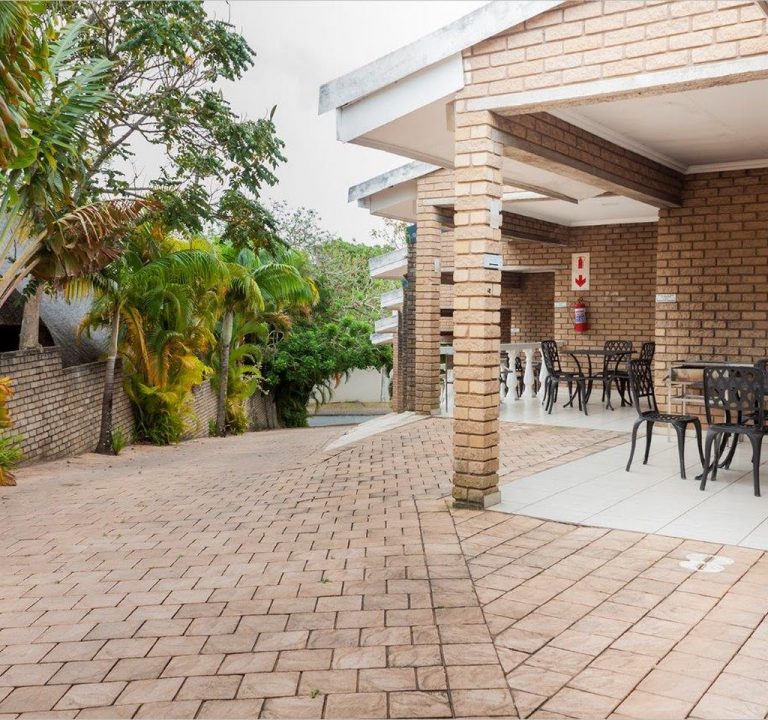
Where to stay depends on your priorities. In the heart of St Lucia town you’ll find guesthouses and self‑catering homes that are close to shops, cafés and eateries, as well as easy access to boat departures and ranger-led excursions. For a more secluded or immersive experience, look at eco-lodges or chalets situated near the entrance to the iSimangaliso Wetland Park or along the quieter coastal fringes such as False Bay or Cape Vidal. These options tend to offer outdoor space, private pools or braai areas, and a slower pace that suits families, couples and solo travellers alike.
Typical amenities you can expect include private or en‑suite bedrooms, kitchen facilities or fully equipped self‑catering options, air conditioning or fans, wifi, secure parking, and outdoor spaces for relaxing after a day of exploration. Some properties may provide optional extras such as guided walks, birding lists, kayak or boat access, and help with arranging day trips. When booking, check exact bed configurations, bathroom arrangements, and any shared common areas to ensure they align with your plans and group size.
Transport and getting around are practical considerations. A car is strongly recommended for flexibility, allowing you to explore beyond the town centre, reach iSimangaliso gates, and visit beach access points or remote lodges. If you prefer not to drive, many accommodations can arrange guided day trips or transfers with trusted local operators. Within St Lucia, distances are short enough for easy strolls to the harbour, markets and some eateries, but some wildlife experiences require a vehicle or organised tour to reach the more remote zones.
The best time to visit St Lucia depends on what you hope to see. Winter months (May to August) bring cooler, drier weather and generally good conditions for wildlife viewing as animals congregate near water sources. Spring and early summer offer lush scenery and birdlife, while the warmer, wetter months can bring longer days for exploring beaches and marshlands, with the caveat of occasional showers. Coastal conditions and sea activity are more predictable in the calmer, cooler seasons, though memorable sightings can occur at any time with a knowledgeable guide.
Practical planning tips help you get the most from your stay. Book early if you’re visiting during school holidays or peak wildlife seasons, especially for popular self‑catering homes or eco‑lodges with limited capacity. Read guest reviews to gauge proximity to main attractions, the reliability of housekeeping services, and how well the property handles peak loads. Clarify check‑in and check‑out times, whether there are on‑site staff, and access to secure parking or vehicle charging if you’re travelling with electric buses or cars. Be mindful ofMosquitoes and sun protection, pack a light waterproof layer for variable weather, and bring your own reusable water bottle to stay hydrated on day trips.
To help you plan, here are key areas to consider when selecting a base in the region:
- St Lucia town centre for easy dining, shops and harbour access; close to boat tours and the iSimangaliso gates.
- Coastal lodges near False Bay for quieter beaches and direct sea access.
- Interior or reserve-adjacent chalets for a deeper wildlife experience with potential for guided walks and wildlife drives.
- Proximity to iSimangaliso Wetland Park’s diverse ecosystems, including wetlands, dunes, forests and beaches, for day trips and guided experiences.
When it comes to dining and local flavour, you’ll find casual eateries and seafood-forward options that celebrate the coastal heritage of KwaZulu‑Natal. Many places offer outdoor seating with views of the harbour or marshes, and menus typically feature fresh seafood, braai favourites, and South African staples. If you’re staying in self‑catering accommodation, you’ll have the option to use a braai or kitchenette to enjoy evening meals at your leisure, with several local markets nearby offering produce and snacks.
Attractions and experiences are a major draw in the area, and you’ll naturally want to weave these into your itinerary. In general terms, activities include boat cruises on the estuary to observe hippos and crocodiles, guided walks through coastal forests and wetlands, birdwatching, and scenic beach outings. Gentle promenades, museum visits, and village markets provide cultural flavour. For families and curious travellers, joining a local guide for short hikes, mangrove boardwalks, or boat safaris can offer insightful context about the region’s biodiversity and conservation efforts. While prices and exact offerings vary by operator, booking through reputable local operators or your accommodation host can help ensure safe, responsible experiences that align with your interests and pace.
For those seeking a practical planning reference, a few pointers: check the property’s cancellation policy, confirm inclusions such as daily cleaning or linen changes, and verify nearby facilities like supermarkets, petrol stations, and medical services. Also, consider the accessibility of the property—some smaller chalets and cottages have stairs or limited parking—so review photos and descriptions closely if this is a concern. Finally, a flexible itinerary that mixes wildlife, beaches, and light outdoor activities with some relaxed days will help you balance exploration with rest, particularly in warm weather.
Whether you’re drawn to the wildlife corridors, the calm of the estuary, or the flavours of coastal KwaZulu‑Natal, St Lucia offers a traveller‑friendly mix of accommodation styles and experiences. For further inspiration, you can explore regional tourism portals or visitor guides, which provide practical pointers, maps, and suggested itineraries to help you tailor a memorable stay in this remarkable corner of South Africa. Safe travels and enjoy the unique rhythm of St Lucia.