St Lucia, KwaZulu-Natal: accommodation, attractions and planning your stay
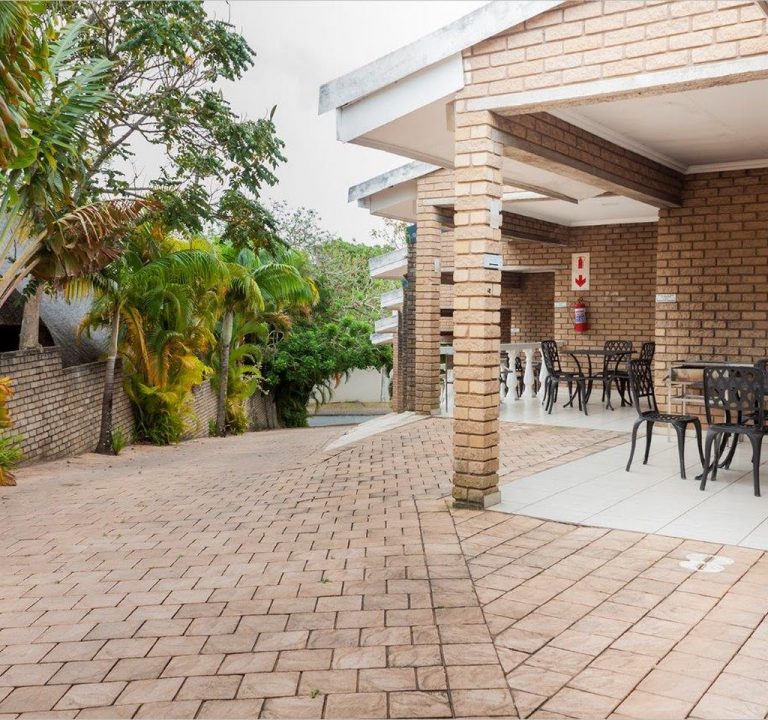
St Lucia in KwaZulu-Natal is a destination that combines wildlife, wetlands and a relaxed coastal atmosphere. When planning a stay, visitors often weigh a range of accommodation options from lodges and guesthouses to self-catering apartments and boutique B&Bs. The town’s proximity to the iSimangaliso Wetland Park makes it a convenient base for day trips and longer stays alike. For travellers seeking comfort without sacrificing nature, Lidiko Lodge offers a lodge-style option rooted in the local landscape, with a focus on easy access to the surrounding sights. More information about Lidiko Lodge can be found at the property’s official website: http://www.lidikolodge.co.za/.
Areas to consider when choosing where to stay include proximity to the town centre, access to the gate of the nearby wetlands, and the ease of getting onto coastal roads for excursions. The town itself tends to have a compact centre with a mix of eateries, shops and activity operators. A lodge or guesthouse set amidst nature reserves or in leafy residential streets can offer a sense of seclusion while still being walkable to dining options. If you are travelling with family or a group, a self-catering cottage or apartment can provide flexibility for meals and downtime between activities.
Typical amenities to look for include comfortable beds with quality linens, air conditioning or good ceiling fans, and reliable Wi‑Fi for those who need to stay connected. On-site amenities such as a swimming pool, secure parking, and communal spaces for socialising can enhance a stay, especially during warmer months. Smaller lodges often provide personalised service, which can translate to helpful local guidance on safaris, boat trips along the estuary, and forest or dune walks. If you are renting a self-catering unit, a well-equipped kitchen and outdoor spaces for braais (barbecues) are convenient features to note.
Transport options in and around St Lucia are practical for most travellers. A rental car gives you the greatest flexibility to explore the wider iSimangaliso area and its varied habitats—from riverine channels to coastal dunes. Within the town, taxis and ride-share services can cover short hops to shops or eateries. If your itinerary includes a game drive or a guided boat trip, many operators can arrange transfers from your lodging. For longer trips, plan routes in advance to allow time for potential delays and to maximise time in reserve areas.
Best time to visit St Lucia depends on the experiences you want. Winter (June to August) is typically drier and cooler, with good wildlife visibility in the surrounding reserves. Spring and autumn bring pleasant days with milder temperatures. The summer rainy season (roughly November to March) can bring lush scenery and occasional afternoon storms, which are part of the tropical climate of the region. Regardless of season, early mornings and late afternoons are often the most rewarding times for wildlife watching and photography.
When it comes to attractions, visitors can expect a mix of nature-based experiences and cultural touches. The iSimangaliso Wetland Park offers guided safaris, boat cruises along estuaries, birdwatching, and opportunities to learn about the coastal ecosystem. Beach walks, nature trails, and crocodile and hippo sightings are common themes in the area. For those seeking a gentler pace, strolling through the town to browse local crafts, bakeries and cafés provides a flavour of the community. Some guesthouses and lodges also organise or partner with operators for sunrise paddles, snorkelling, or guided forest walks, allowing guests to assemble a bespoke itinerary with efficiency and local insight.
As for dining, St Lucia’s restaurant scene tends to emphasise fresh seafood, Southern African favourites, and casual dining that suits travellers after a day of exploration. Many establishments offer outdoor terraces with views of the surrounding landscape, and some venues partner with lodges to provide set-menu evenings or guest discounts. A sensible approach is to plan a mix of meals out and light meals back at your accommodation, particularly if you are self-catering or staying in a lodge that offers barbecue facilities or communal kitchens.
To help you design a practical stay, consider the following tips:
- Choose accommodation with a clear cancellation policy and flexible dates in case wildlife activities are weather dependent.
- Book wildlife or boat experiences in advance where possible, but stay open to local operators offering additional times or last-minute availability.
- Check access to essential services such as parking, on-site dining, and walkability to nearby stores or eateries.
- Pack for changing conditions: light layers for warm days and a light rain jacket for possible showers, plus sun protection for outdoor activities.
- Respect environmental guidelines in reserve areas, including staying on designated trails and not feeding wildlife.
For couples, families or groups seeking a comfortable base with a sense of place, St Lucia offers a balance of nature-inspired retreats and convenient amenities. Whether you choose a lodge perched close to reed beds and river channels, or a cosy guesthouse in a quiet street, you can combine restful downtime with active exploration. The key to a rewarding stay is to align your plans with the weather, wildlife schedules and the pace you want for the trip—allow time for spontaneous discoveries while keeping a practical timetable for transfers and activities. With thoughtful planning, a stay in St Lucia, KwaZulu-Natal, can be a memorable blend of comfort, scenery and accessible wildlife experiences.