Accommodation and Experiences in Cape Town: Where to Stay and What to Do
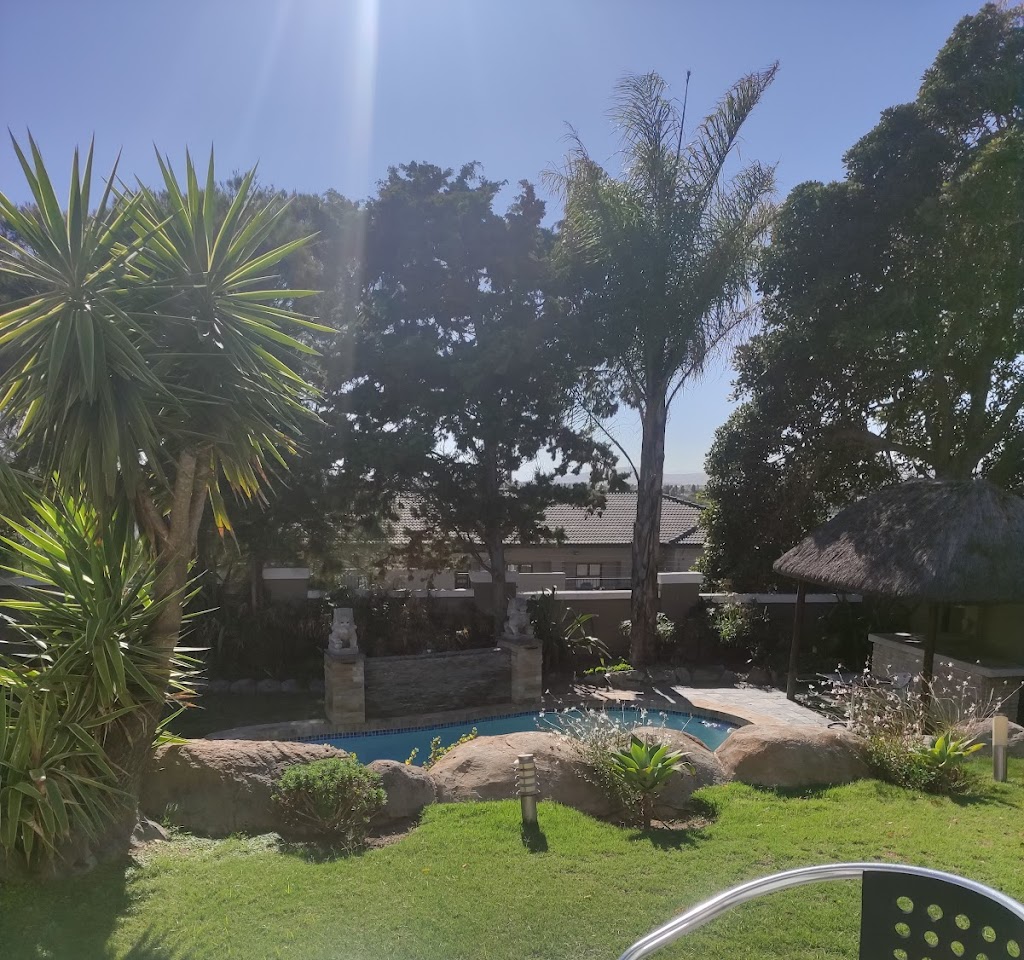
Cape Town, set against the backdrop of Table Mountain and the Atlantic Ocean, offers a diverse range of places to stay and a wealth of things to see and do. Whether you are drawn to buzzy neighbourhoods with cafés and markets, or quieter coastal pockets with sea views, you can tailor your visit to suit your interests and budget. A guest house such as Mandalay Beach Guest House can provide a warm, home-from-home base with easy access to the city’s highlights and beaches. Visit the property’s website for practical details and availability.
When planning your stay, consider the areas that best match your aims. The City Bowl puts you close to museums, theatres and historic streets, with convenient access to hop-on hop-off sightseeing routes. The Atlantic Seaboard, including areas near Camps Bay and Sea Point, delivers dramatic coastal scenery, chic eateries, and long beachfront promenades. Constantia and the surrounding winelands offer more tranquillity, green hills and easy touring by car, ideal for day trips to wine estates and nature reserves. If you prefer a village-like vibe with local character, towns such as Kalk Bay and Hout Bay provide harbour views, quirky shops and seafood eateries. Each area has its own rhythm, so think about what you want to wake up to each morning—city energy, sea views, or hillside calm.
Typical accommodation options range from intimate guest houses and B&Bs to boutique hotels and self-catering apartments. In a guest house, you’ll often enjoy a personalised touch: a continental or cooked breakfast, daily housekeeping, and common spaces where fellow travellers share tips. Look for rooms with en-suite facilities, adequate natural light, reliable Wi‑Fi, and parking if you’re driving. For families or groups, some properties offer larger suites or multi-bedroom options. If you value cooking for yourself, a kitchenette or access to a shared kitchen can be a practical plus.
What to look for when booking in Cape Town aligns with practical needs and comfort preferences. Check the level of security and street access in the neighbourhood, particularly if you plan to walk back from evenings out. Confirm parking provisions if you’ll have a rental car. Consider proximity to the places you intend to visit and whether the property is near reliable transport options such as the MyCiTi tram network, or accessible by Uber and ride-hailing apps. A clear cancellation policy and transparent pricing help with planning, especially if you are travelling during peak season or major events. Ask about room orientation (sunrise or sunset views can make a big difference to your experience) and whether the property offers a quiet lounge or outdoor space for unwinding after a day of exploring.
Transport around Cape Town is generally straightforward but planning ahead helps. If you are staying along the Atlantic Seaboard or central areas, you can often stroll to cafes and markets. For longer trips out of central areas—such as to Constantia wine estates, Cape Point, or the Cape Peninsula towns—having access to a car is convenient. Public transport exists, but taxi and ride-hailing services are popular. If you enjoy scenic drives, you’ll find the coastal routes between Sea Point, Clifton, Camps Bay and Hout Bay particularly rewarding, offering opportunities to stop for viewpoints and photo moments along the way.
The best time to visit Cape Town depends on your priorities. Summer (December to February) brings longer days, lively outdoor markets, and excellent conditions for beaches. Autumn (March to May) and spring (September to November) offer mild weather and fewer crowds, with flowers in bloom and good conditions for hiking. Winter (June to August) can be cooler and wetter, but Cape Town remains vibrant with indoor attractions, wine-tasting, and seasonal performances. If you are keen on outdoor activities such as hiking, sea kayaking, or marine wildlife experiences, aim for shoulder seasons when trails and viewpoints are less crowded and the weather is generally pleasant.
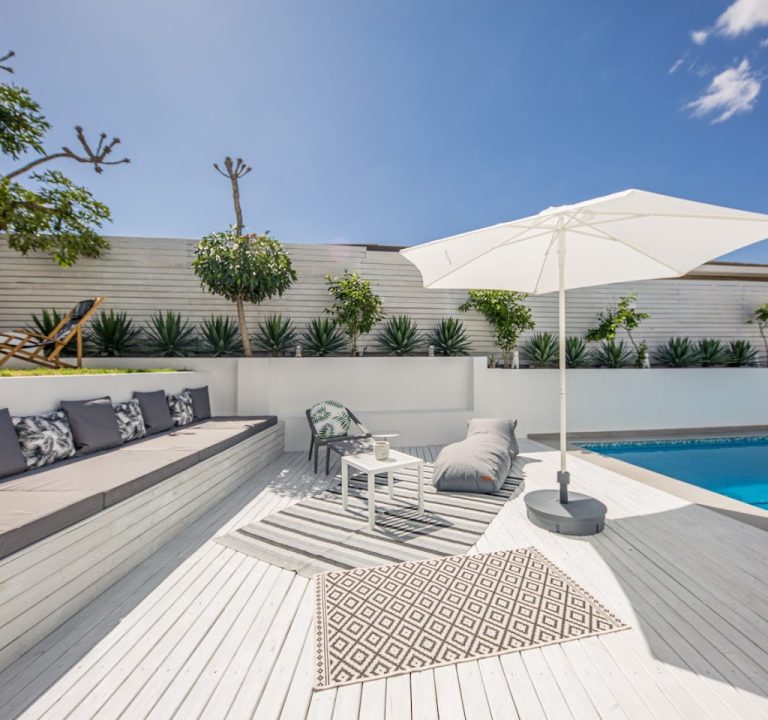
Typical amenities you might encounter include comfortable bedding, daily housekeeping, free Wi‑Fi, and self-service tea and coffee provisions. Some guest houses offer guest lounges, communal kitchens, or outdoor terraces with views. Breakfast options range from continental to cooked options, and many properties can accommodate special dietary requests with advance notice. If you are travelling with children, check whether the property supplies cots or high chairs, and whether rooms can be configured to suit family needs.
To make the most of your stay, combine accommodation with easy access to attractions and dining. In general terms, Cape Town offers a mix of historic and modern dining scenes—casual fish shacks by the harbour, buzzy tapas bars in the city, and stylish restaurants with panoramic sea or mountain views. While it is best not to rely on exact prices or menus here, you can plan your days around iconic experiences such as guided walks up Table Mountain (weather permitting), visits to nearby nature reserves, and a day spent exploring markets and neighbourhood eateries. For a well-rounded experience, consider balancing a few scenic outings with relaxed days in a waterfront setting or a hillside terrace with a view of the ocean.
- Book in advance during peak season to secure preferred areas and rooms with sea or mountain views.
- Ask about flexible breakfast options and late-arrival arrangements if you have a changing itinerary.
- Look for properties that offer clear directions and gentle walking routes from major transport hubs.
In short, Cape Town rewards thoughtful planning. By selecting a neighbourhood that matches your pace, confirming practical amenities, and balancing exploration with restful moments, you can craft a memorable stay that blends stunning landscapes with comfortable, traveller-friendly accommodation.