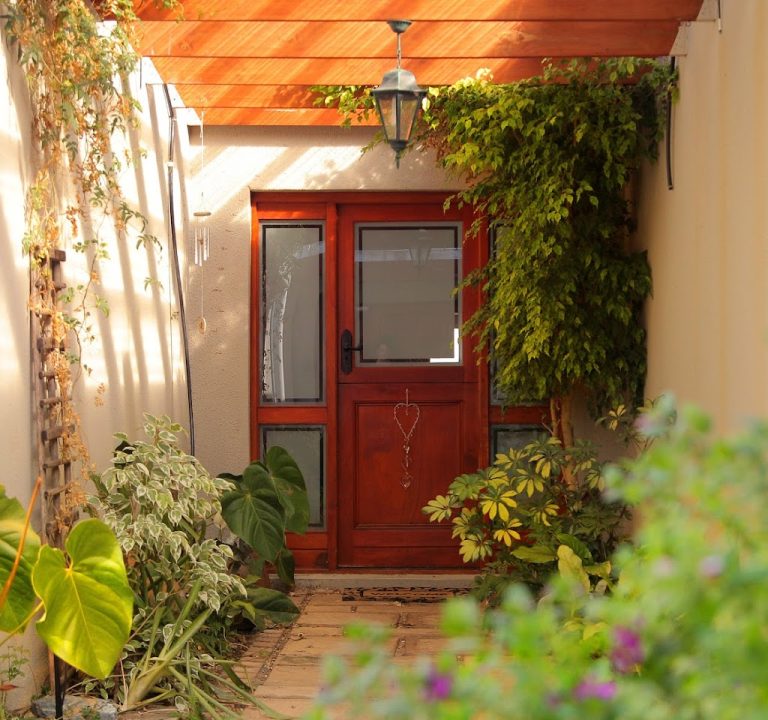
Discovering Cape Town: Where to stay and what to do
Cape Town mixes natural splendour with vibrant urban life, making it a destination where accommodation can be as varied as the activities you choose. When planning a stay, think about what kind of pace you want, how close you’d like to be to the coast, and how easy it is to explore from your base. The city offers everything from intimate guest houses to contemporary hotels, passionate B&Bs, and family-friendly lodges. A notable example in the mix is Crystalvilla Guesthouse, which demonstrates how a well‑located, comfortable property can anchor a memorable visit.
Areas to consider
- City Bowl and downtown: central arteries, easy access to museums, galleries, eateries, and public transport. Great if you want to walk to attractions, enjoy a lively cafe scene, and be within quick reach of business or conference venues.
- Atlantic Seaboard and Camps Bay: famed for dramatic ocean views, sandy beaches, and stylish eateries. Ideal for sunrises over the Atlantic, long beach strolls, and a more relaxed, resort-like ambience.
- Green Point and Waterfront: close to the V&A Waterfront, parks, and entertainment precincts. A convenient choice for families and first-time visitors who want a balanced mix of waterfront strolls and city access.
- Constantia Valley and Constantia Nek: wine country on the city’s doorstep, with leafy streets, boutique guest houses, and easy access to hiking trails and scenic drives.
- Bo-Kaap and the historic precincts: a culturally rich area within easy reach of cafés, markets, and panoramic views of the city bowl.
What to look for when booking
- Location relative to your planned activities: if you intend to spend mornings on Table Mountain or afternoons by the sea, pick a base that minimises long transfers.
- Access to transport: many travellers value proximity to reliable public transit, such as the MyCiTi bus network, or the option of easy taxi and rideshare access.
- Amenities that suit your needs: en-suite bathrooms, reliable Wi‑Fi, in-room workspace if you’re combining travel with remote work, breakfast options, and parking facilities.
- Common spaces and guest services: a welcoming lounge, outdoor seating, and whether there is a communal kitchen or a small dining area for flexibility.
- Safety and style: secure access, good lighting, and thoughtful interior styling that makes you feel at home after a day’s exploring.
Typical amenities and practical tips
- Rooms and comfort: expect a range from cosy rooms to larger suites; many properties offer daily housekeeping and refreshed linens. En-suite bathrooms with hot water and sensible heating are standard in Cape Town’s guest houses and hotels.
- Food and drink: breakfast is common, with options ranging from continental to hearty cooked-to-order meals. Some places provide self-cserve tea and coffee stations and occasional dinners or tastings.
- Transport-friendly features: secure parking is valuable for travellers with hire cars, while proximity to popular routes makes day trips easier. If you’re relying on public transport, confirm the nearest bus stops or MyCiTi stations.
- Outdoor appeal: guest houses and boutique hotels frequently feature small terraces or courtyards, and lodges near vineyards or mountains often have scenic settings for evening drinks or sunset views.
- Practicalities: check cancellation policies, especially during peak seasons, and inquire about accessibility if you or your travelling companion have specific needs.
Planning a stay around attractions and dining
Cape Town’s draw lies not only in its landscape but in its mixture of experiences. Easy day trips include stepping onto a cable car to vantage points on a tabletop summit, a scenic drive along the coast to dramatic viewpoints, and visits to historic sites with expansive views. In the city, consider a morning stroll along the harbour, followed by a relaxed lunch at a waterfront venue. South Africa’s culinary scene blends flavours from coast and countryside, with many restaurants emphasising seasonal produce and shared plates. In the evening, stroll on well-lit streets in safe, well-frequented districts, where a range of eateries offers light snacks through to more substantial meals.
Best time to visit
- Spring and autumn (September to November, February to April) can offer milder weather and fewer crowds, while still presenting long daylight hours for outdoor activities.
- Summer (December to February) brings warm days and busy markets, beaches, and outdoor events, but be prepared for higher occupancy and higher prices in popular areas.
- Winter (May to August) is cooler and wetter, yet offers fewer crowds and a different, often quieter pace, which can be appealing for city exploring and wine country day trips.
Booking tips for a smoother stay
- Read recent guest reviews to gauge consistency in housekeeping, comfort, and host responsiveness.
- Confirm distance to your planned activities and the availability of parking if you’re hiring a car.
- Check for air conditioning or heating, as Cape Town’s climate can vary by season and by microclimate.
- Look for properties that provide flexible room layouts or multiple rooms if you’re travelling as a family or a group.
- Consider combining a city base with a short stay in a wine region or coastal village to diversify your experience.
For more information and to compare options, see a selection of guest houses, boutique hotels, and lodges across Cape Town’s varied neighbourhoods. If you’re curious about Crystalvilla Guesthouse, a comfortable, well-situated option in the region, you can visit the property’s official website for current availability and booking details.