Accommodation and Attractions in Cape Town: Plan a Traveller‑Friendly Stay
Cape Town sits at the southern tip of Africa and offers a rich mix of city life, natural beauty and coastal charm. When planning a stay, think about the diverse neighbourhoods that characterise the city and how they can shape your daily routine. From the compact, cosmopolitan vibe of the City Bowl to the wide Atlantic horizons of the Atlantic Seaboard, each area has its own rhythm, pacing and access to sights, eateries and transport links. A well‑chosen stay can anchor your adventures and reduce daily travel time to key attractions and experiences.
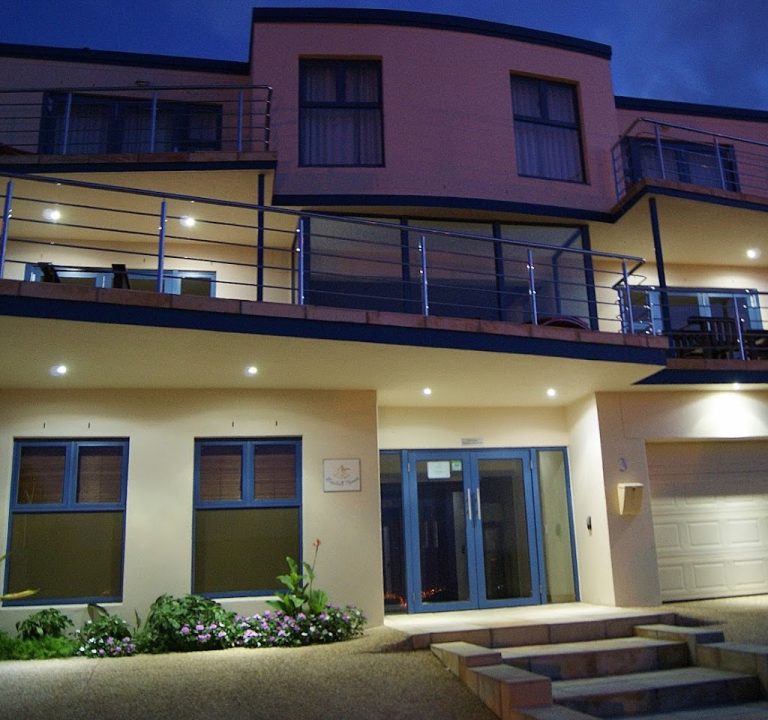
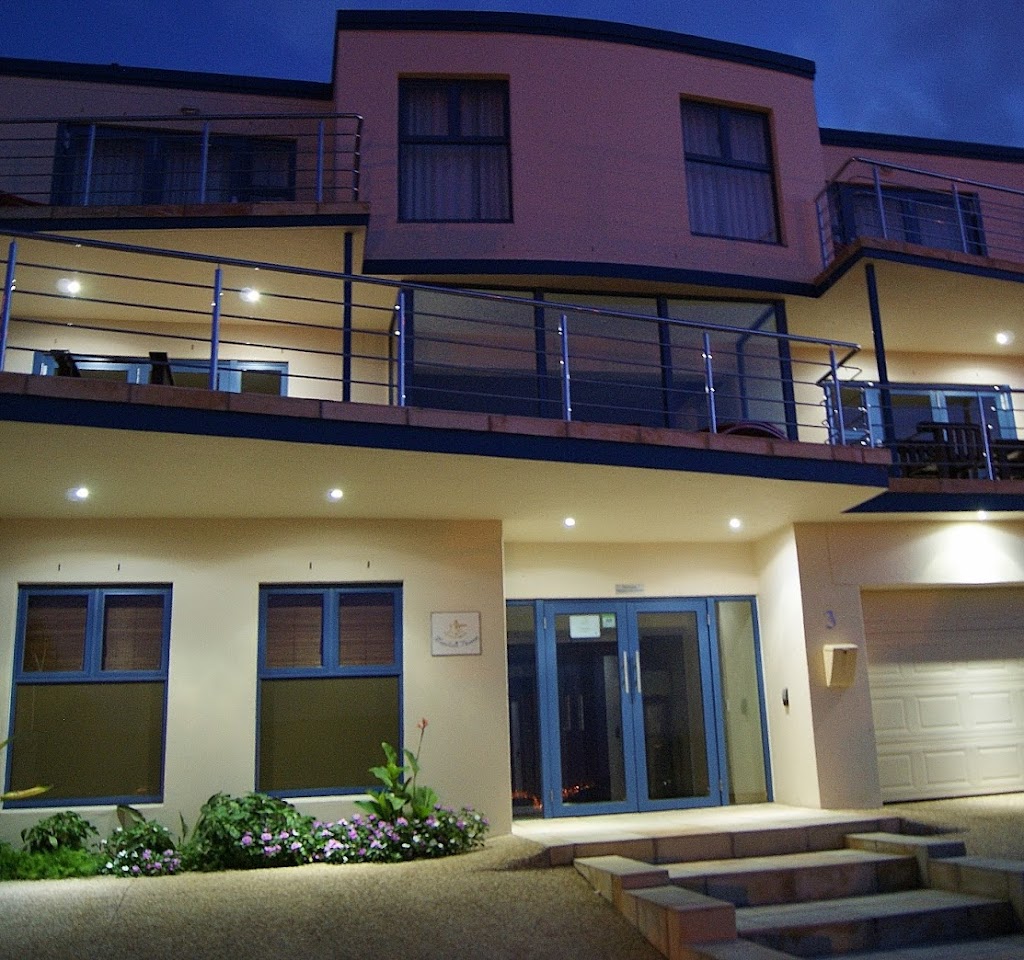
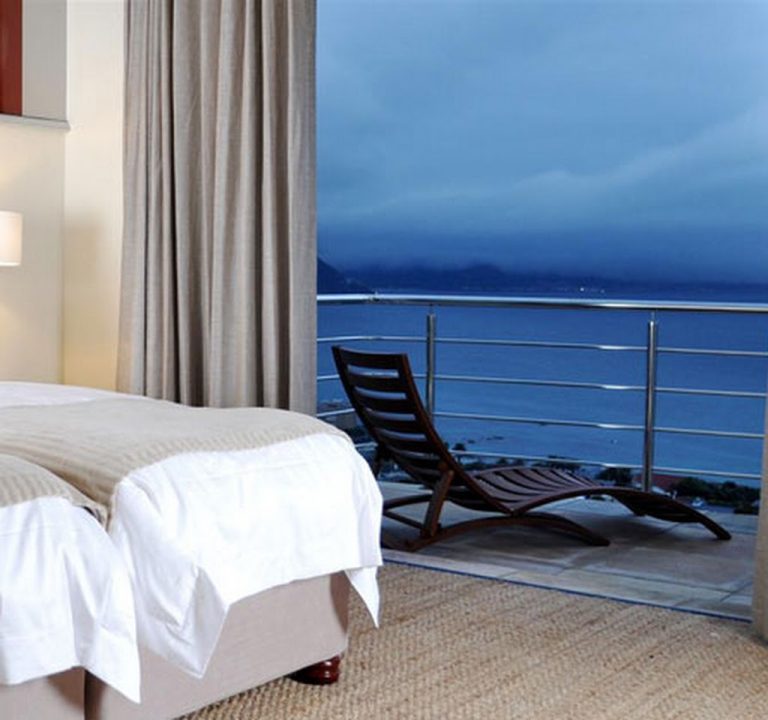
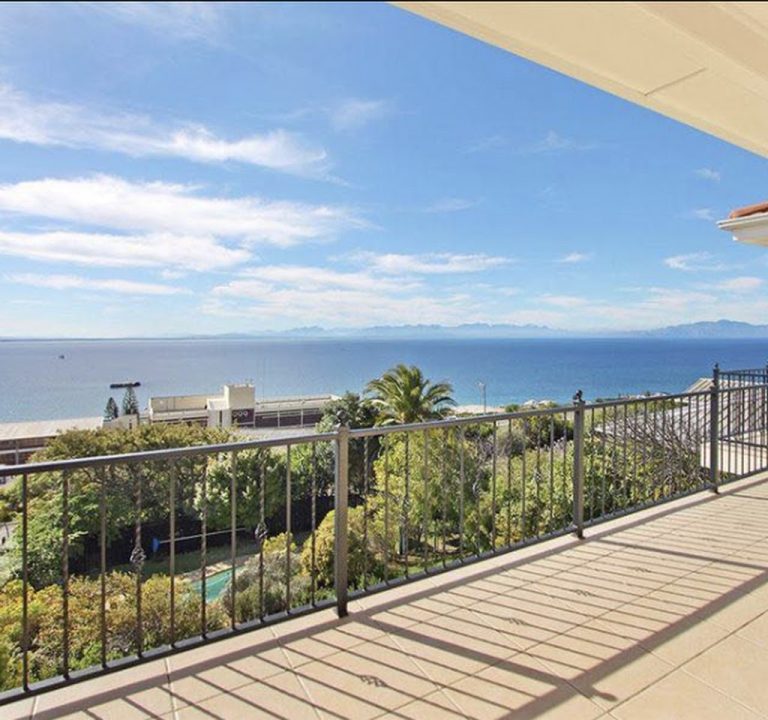
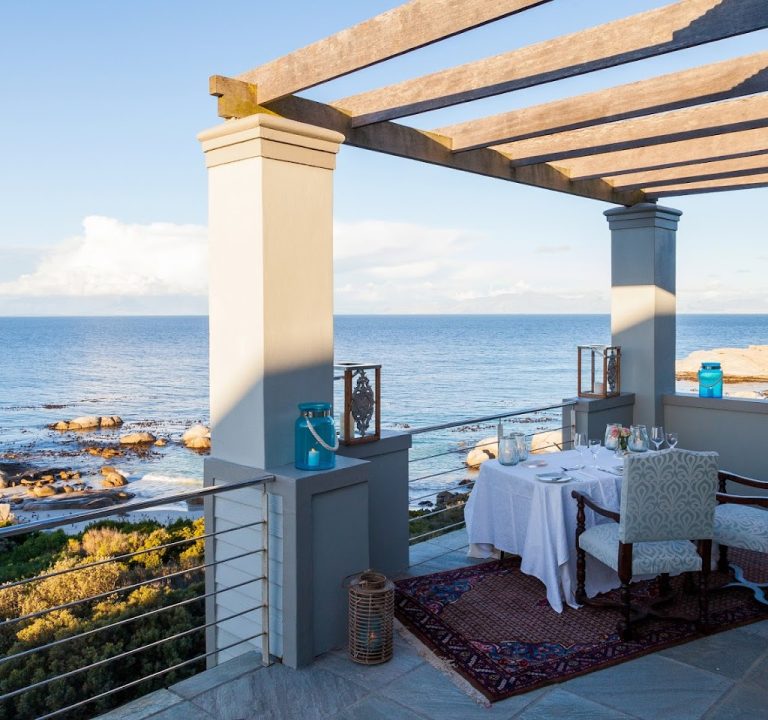
For accommodation, consider areas that align with your priorities. If you want convenient access to iconic viewpoints, restaurants and museums, a stay in the City Bowl or around the V&A Waterfront puts you in the heart of town with many walkable options. Families and those seeking a quieter base with easy access to gardens and hiking trails may prefer Constantia or the leafy southern suburbs, where guest houses and boutique hotels often offer generous breakfasts and tranquil courtyards. The Atlantic Seaboard, including camps and coves such as Camps Bay and Clifton, is ideal for sun‑seekers and those who want beachfront breezes and dramatic sea views, while the Southern Suburbs provide a gateway to wine estates and nature reserves. If you’re seeking a more intimate, guest‑house style stay, Magellan’s Passage offers a sense of personalised hospitality and a convenient base for exploring nearby coastal paths and city sights.
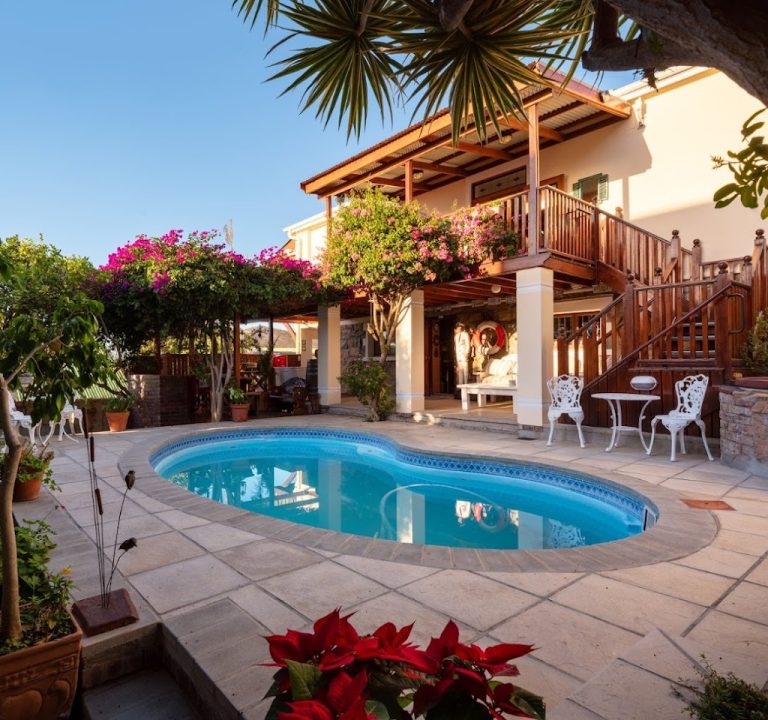
When choosing a property, look for a few practical features that can make or break a trip. Consider access to reliable transport, whether you plan to drive, self‑drive a rental, or rely on public transit and ride‑hailing. The MyCiTi bus network and minibus routes offer convenient options for city travel, while many areas are walkable or bike‑friendly for shorter hops. Check parking arrangements if you plan to hire a car. If you prefer a restful night’s sleep after a day’s sightseeing, review soundproofing and room layout. For families or groups, confirm whether there are enabling facilities such as multiple bedrooms, adaptable living spaces, or kitchen facilities. A strong breakfast offering can be a practical boost before long days of exploration, and some properties provide guest lounge areas, pools or terraces with city or harbour views.
Typical amenities you might encounter include free Wi‑Fi, tea and coffee facilities, en‑suite bathrooms, air conditioning or effective heating, safe in room, and laundry services. Outdoor spaces, such as courtyards, verandas or rooftop decks, can be a big plus for cooler evenings. If you’re planning longer stays, a kitchenette or access to a communal kitchen can help you self‑cater some meals, linking well with the city’s markets and casual eateries nearby. In terms of price bands, Cape Town offers a spectrum from stylish boutique guest houses to more modest BnBs and self‑catering apartments; comparing cancellation policies and seasonal rates is prudent, particularly around peak months when demand rises.
Top attractions span natural scenery, historic sites, and vibrant cultural experiences. A cable car ride up Table Mountain offers panoramic views of the metropolis and coastline; the surrounding parklands and viewpoints are popular for gentle hikes. Robben Island connects visitors with South Africa’s past through guided tours that illuminate the country’s journey to democracy. The Cape Peninsula drive, including the dramatic coastal routes toward Cape Point, showcases rugged cliffs and pristine coves. Kirstenbosch National Botanical Garden, perched against the backdrop of Table Mountain, provides leafy walking trails and seasonal blooms. In the city, historic neighbourhoods such as Bo‑Kaap invite cultural exploration and colourful architecture, while the V&A Waterfront area blends waterfront walks with shopping and casual dining.
When it comes to dining, Cape Town’s restaurant scene ranges from casual market stalls and bistros to refined establishments emphasising regional produce. You’ll find seafood prepared to showcase the abundant waterfront catch, comforting South African favourites, and contemporary cuisine that draws on global influences. Markets and food halls are excellent for tasting a variety of dishes in one afternoon, while wine‑country access is straightforward for day trips to nearby estates for tastings and cellar doors. A balanced itinerary might pair a morning at a landmark sight with a leisurely lunch by the harbour, followed by sunset drinks on a terrace with ocean views.
Seasonality is another practical consideration. The summer months (roughly November to February) bring warmer days and busier coastal scenes, while spring (September to November) and autumn (March to May) offer milder temperatures and less crowding. Winter (June to August) is cooler and wetter, but still carries a distinctive character and fewer visitors in many areas. Always check forecasted conditions, particularly for coastal beaches and outdoor activities, and be prepared with layers for changing weather. Booking ahead for popular periods can secure preferred rooms or suites and help you plan efficient day trips around the city’s many offerings. For authoritative planning, consult Cape Town’s official tourism information and local guides to tailor your stay to your interests, whether you’re chasing wildlife, wine, history, or pure coastal scenery.
- Magellan’s Passage: a guest house option offering a personalised welcome in a charming setting close to both city conveniences and scenic edges of the peninsula.
- Transport tips: consider proximity to MyCiTi stops, accessible taxi options, and safe parking if you plan to hire a car.
- Practical planning: prioritise flexible cancellation, and balance full‑day tours with restful mornings to enjoy breakfasts and property amenities.