Ulundi, KwaZulu-Natal: A Practical Guide to Accommodation, Attractions, and Local Experiences
Ulundi sits at the heart of KwaZulu-Natal’s historic Zululand, offering a compact base for visitors keen to explore the region’s culture, heritage, and wildlife on a relaxed schedule. When planning a stay, it helps to think about the pace you want, the areas you’d like to explore nearby, and the level of comfort you expect from your accommodation. In Ulundi you’ll find a range of options from traditional guesthouses to mid-range hotels, each with its own character and convenient access to the surrounding attractions.
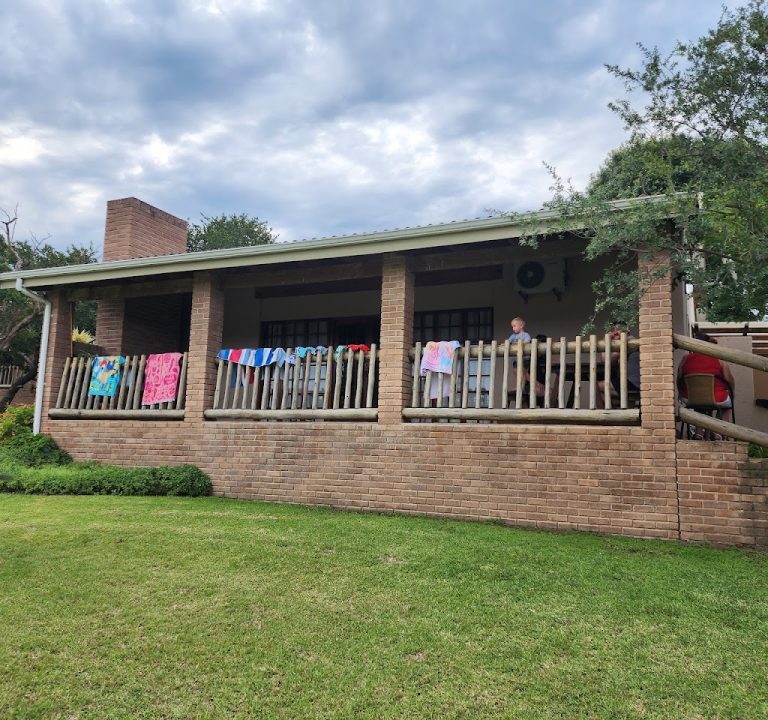
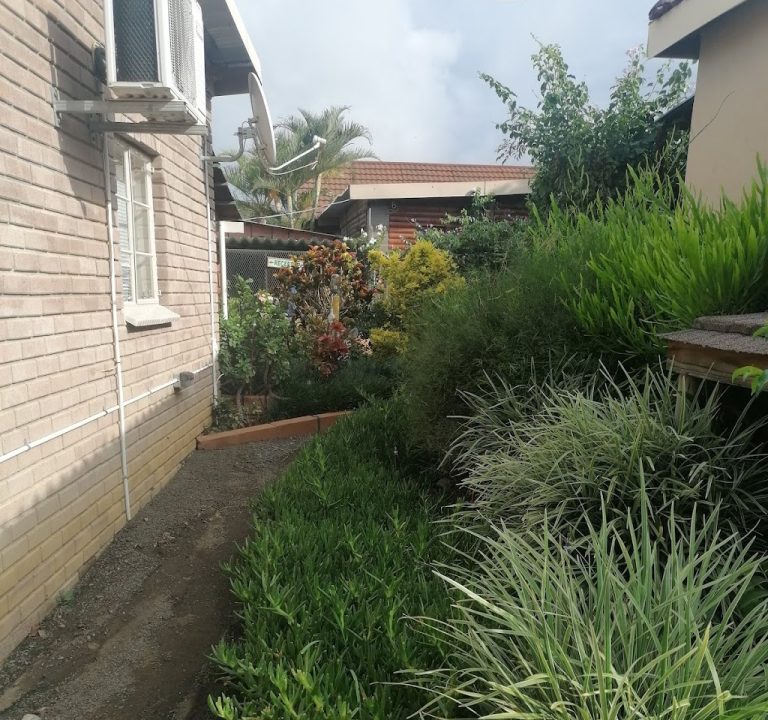
One practical option to consider is a stay at a guesthouse or small hotel that combines a friendly, personalised atmosphere with straightforward access to neighbouring sites. A well-situated choice like Macu Guest House can offer comfortable rooms, secure parking, and a welcoming reception, with the chance to arrange locally guided tours or recommendations for day trips. When choosing where to stay, look for a few key features: reliable air conditioning or fans for KwaZulu-Natal’s warm spells, secure parking or easy taxi access, quiet rooms for restful nights, and a shared or on-site dining area for convenient breakfasts before early excursions.
Areas to consider within or near Ulundi include the town centre for easy strolls to shops, eateries, and historic sites, as well as surrounding rural lanes where you can experience traditional rural life and views of the Lowveld horizons. Proximity to a reliable transport link—whether a short drive to a regional airport or a convenient road connection to neighbouring towns and reserves—will help you maximise your time. If you’re planning longer excursions into Zululand, a base with straightforward access to major routes can save you unnecessary detours and make day trips more enjoyable.
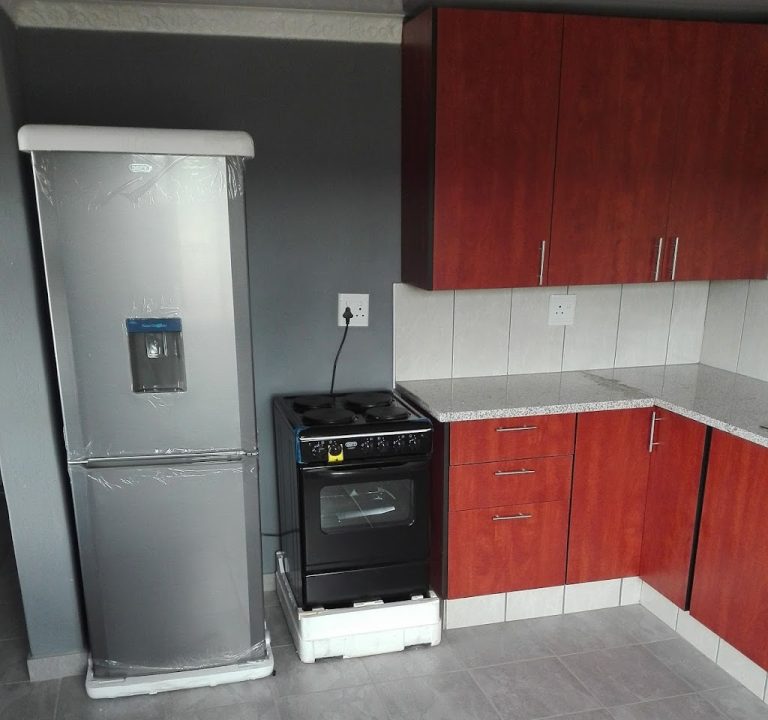
Typical amenities you can expect in Ulundi’s accommodation range from en-suite rooms, complimentary Wi-Fi, and secure parking to on-site dining or easy access to nearby restaurants. Hotels and guesthouses often provide daily housekeeping, reception services, and guest information with local tips on markets, crafts, and cultural performances. If your plans include early departures for day trips or game drives, check whether breakfast is offered early or if a takeaway option is available. Some properties may also assist with arranging guided tours or private transfers to nearby wildlife reserves and historic sites.
When planning what to do in Ulundi and the surrounding area, start with a mix of cultural, historic, and nature experiences. The region’s heritage sites offer insights into Zululand’s martial and royal history, while nearby game reserves and landscapes provide opportunities for wildlife spotting and scenic drives. Even if you do not plan to venture far each day, a gentle stroll around the town can reveal local crafts, markets, and eateries that showcase KwaZulu-Natal’s hospitality and flavour. For nature lovers, keep your itinerary flexible to allow for weather and local events, which can significantly influence access to certain viewpoints or trails.
Best time to visit Ulundi can depend on your interests. The dry season tends to bring clearer skies and easier driving conditions, often making it more comfortable for day trips and outdoor activities. The wet season can bring lush scenery and active birdlife, though rain may affect some outdoor excursions or accessibility to distant sites. If you’re sensitive to heat, aim for spring (September to November) or autumn (March to May), when temperatures are typically more moderate and rainfall is less intense than in peak summer.
Transport within and around Ulundi is typically straightforward. A rental car offers the most flexibility for exploring Zululand at your own pace, with fuel options and scenic routes between towns and reserves. Taxis or ride-hailing services can be useful for shorter hops within the town or to nearby eateries. If you’re arriving by air, plan for a transfer from the closest regional airport to Ulundi, and check whether your accommodation offers a shuttle service or can arrange a private transfer to your first and last day’s activities.
Practical tips for a smooth stay include booking accommodation with clear cancellation policies, especially during peak travel periods for KwaZulu-Natal. Confirm what meals are included and whether there are nearby dining options in walking distance. Pack a light layer for cooler evenings and a hat, sunscreen, and water for daytime excursions. If you plan to visit cultural sites or markets, bring small denominations of local currency for purchases and always respect local customs and photography guidelines in community spaces.
- Check the reliability of Wi‑Fi and the availability of charging facilities if you plan to work or upload photos.
- Ask your host or guesthouse manager for recommendations on safe walking routes, markets, and genuine local eateries.
- In peak tourist periods, consider a shortlist of 2–3 accommodation options to compare rates and inclusions quickly.
For further inspiration and practical planning, a general tourism resource for KwaZulu-Natal can offer background on parks, cultural experiences, and regional routes. When you’re ready to book, prioritise comfort, reliable access, and hosts who can help tailor your stay to your interests, whether that means heritage storytelling, wildlife encounters, or peaceful downtime in a thoughtfully appointed room.