Discover Ulundi: accommodation, attractions, dining and practical tips for planning your stay
Ulundi sits at the heart of KwaZulu-Natal’s royal and cultural landscape, offering a blend of comfortable lodges, guesthouses and rural retreats within easy reach of nature reserves and Zulu heritage experiences. When planning a stay, consider the balance between convenience to central Ulundi and access to surrounding countryside. Choosing a base that suits your itinerary will help you maximise time for both relaxation and exploration.
Accommodation in and around Ulundi ranges from traditional lodges and boutique guesthouses to family-run B&Bs and mid-range hotels. Many properties emphasise a warm, personalised welcome and offer essential comforts such as private bathrooms, restful lounges, on-site dining or easy access to nearby eateries, and secure parking. If you are travelling with family or a small group, look for options with flexible room configurations, acoustic privacy and easy outdoor spaces for children or afternoon sun in the garden. For those seeking a more immersive stay, rural lodges often provide artisanal meals, garden plots or cultural insights that reflect the region’s rich Zulu heritage.
Key areas to consider when selecting your base include central Ulundi for straightforward access to shops and services, and surrounding rural corridors that connect to game reserves or heritage sites. If you plan day trips to Hluhluwe-Imfolozi Park or other wildlife areas, choose a lodge or guesthouse with straightforward road connections and clear travel times. Some properties offer organised tours or partnerships with local guides, which can be a convenient way to experience cultural performances, history and nature without the hassle of arranging logistics yourself.
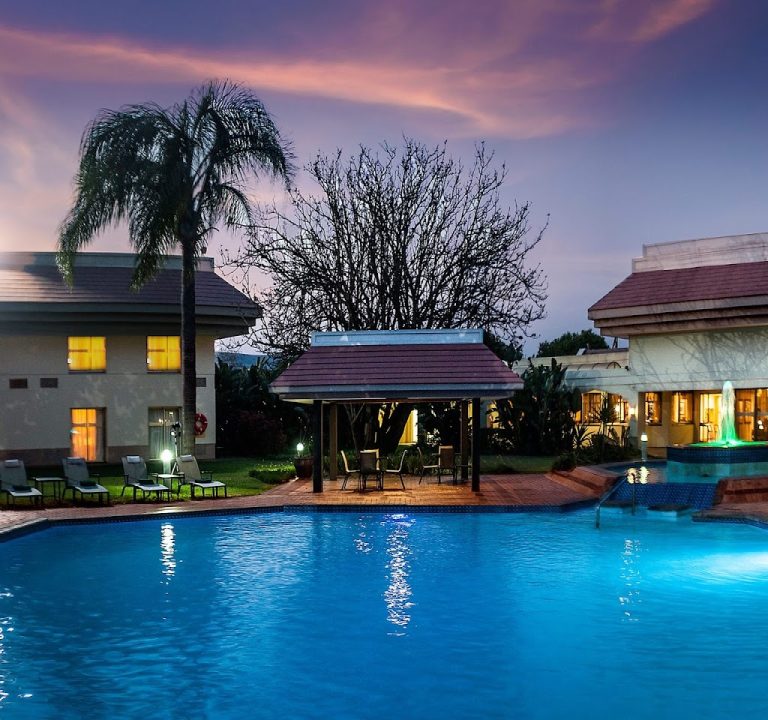
Typical amenities to look for when booking include reliable air-conditioning or good ventilation for KwaZulu-Natal’s warmer periods, television and Wi-Fi, private en-suite bathrooms, and clean, well-equipped communal spaces. Dining is a beneficial perk, whether a continental breakfast to start the day or on-site restaurant service with a focus on local ingredients. Outdoor spaces—verandas, courtyards or swimming pools—are particularly appealing in the heat and offer social areas to relax between activities. If access to conferencing spaces or child-friendly features is important, verify availability before confirming a booking.
Transport and getting around Ulundi is straightforward with a combination of private car hire, taxis and local transfers. If you are driving, a reliable vehicle will help you explore beyond Ulundi town, as rural routes can be uneven and signage limited in places. Some travellers appreciate the ease of arranging a guided day trip to nearby cultural centres or battle site narratives; check whether your accommodation can assist with a driver or guide for half-day or full-day excursions. For international travellers, most itineraries begin with a regional flight into KwaZulu-Natal’s larger hubs, followed by a car transfer, rental or organised transfer to Ulundi. Allow time for border and customs considerations if combining with other South African provinces in a single trip.
Best time to visit Ulundi and the surrounding region typically aligns with the South African winter and spring months (roughly May to September) when days are generally mild and dry, ideal for outdoor activities and exploring local villages. Summer can bring warm, humid days with occasional afternoon showers; while lush, the rainfall can affect road conditions in more remote areas. If your focus is wildlife, plan visits to reserves and sanctuaries during shoulder seasons when animal sightings are often productive and the parks are less crowded. Packing should reflect the climate—light layers for daytime heat, sun protection, and a light rain jacket for late-season showers.
Practical tips for a smooth stay in Ulundi:
- Book in advance during peak travel periods and festival times to secure preferred lodges or guesthouses with good access to essential services.
- Confirm breakfast and dinner arrangements if you plan to eat on-site, and ask about dietary preferences or cultural experiences offered by the property.
- Check whether your accommodation offers guided excursions or can arrange trusted local guides for cultural visits or nature treks.
- Bring a universal adaptor and spare batteries for electronics; Wi-Fi quality can vary by property and rural routes.
- Respect local customs and community-led initiatives when visiting villages or cultural sites; small contributions or purchases to support local artisans are often appreciated.
- Inquire about water and electricity contingencies, especially if you are staying in rural lodges dependent on generators or rainwater tanks.
- If you have mobility considerations, verify access to ground-floor rooms and barrier-free paths when booking.
While Ulundi itself is a practical base for exploring KwaZulu-Natal’s heritage and landscapes, you’ll also find a range of nearby experiences to enrich your stay. Cultural demonstrations, traditional crafts, and guided storytelling sessions can provide a sense of the region’s history and living traditions. Dining options range from rustic, lodge-style meals to more contemporary eateries where you can sample family recipes and regional flavours. If you’d like a starting point for planning, reputable tourism sites offer practical suggestions and suggested itineraries to help shape a balanced visit that honours both relaxation and discovery. For further inspiration and planning tools, you can explore official tourism resources and regional websites, which frequently feature practical travel tips, opening times and access details.
As a practical example of hospitality in Ulundi, you may come across places such as Emkhathini Lodge, a lodge-style accommodation that embodies a welcoming, country-house ambience. While staying there or in similar properties, you’ll likely experience the comfort and convenience that many visitors value: peaceful surroundings, easy access to local culture, and a gateway to KwaZulu-Natal’s distinctive land and traditions. For more information on accommodation options and planning tools, consider official tourism portals and regional guides that provide up-to-date listings, maps and travel tips.