Staying in Soweto: accommodation options, practical planning and local highlights
South-west of central Johannesburg, Soweto is a dynamic neighbourhood with a rich history, a lively street life and an array of welcoming places to rest your head. When planning a stay in this vibrant region, visitors typically look for guest houses, boutique hotels and family-run lodges that offer warm hospitality and easy access to the district’s sights. Soweto’s appeal often lies in its people, its food markets and its storytelling, so choosing a place that feels rooted in the community can enhance your visit as much as a comfortable bed or a hearty breakfast.
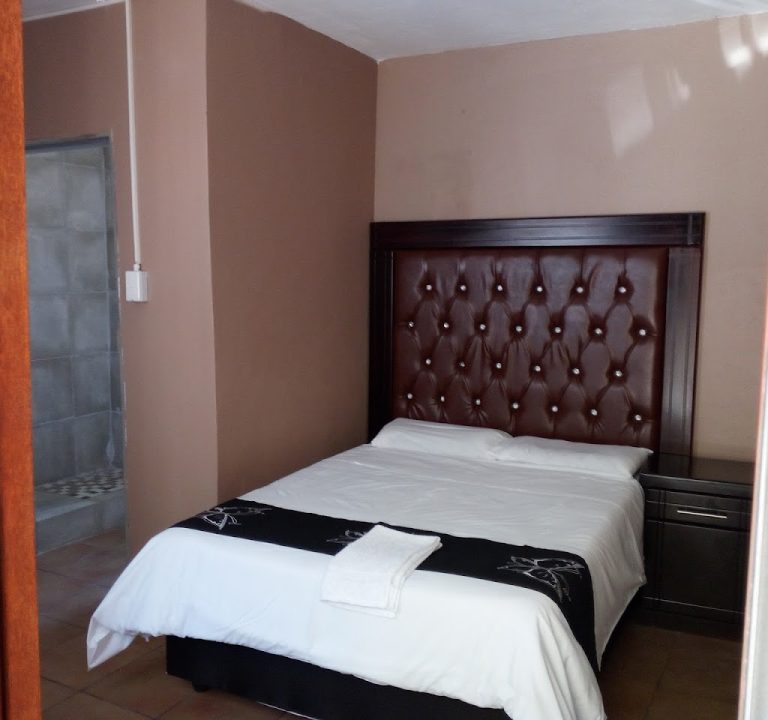
Accommodation options in Soweto range from traditional guest houses to modern lodges set within residential streets or close to commercial hubs. A guest house such as Mabhengu Guest House can be a good fit for travellers who value a homely atmosphere, simplified check-in, and a sense of neighbourhood life. In addition to standard rooms, many properties offer en-suite facilities, safe parking, free Wi‑Fi and breakfast service. Some may provide curated experiences, such as guided walks, cultural evenings or organised visits to local eateries and markets. When evaluating options, consider whether you prefer a quieter courtyard setting or a location nearer to bustling streets with cafés, bars and markets.
Areas to consider for your Soweto stay include Vilakazi Street and the surrounding neighbourhood in the central part of the region, known for its historical significance and compact, walkable layouts. Orlando and Bag Factory, as well as the broader southern clusters, offer varying blends of guesthouse charm, boutique stays and family-run lodges. If you prioritise proximity to transport links, look for properties with easy access to minibus taxi routes or local taxi services, as these are common ways to move around Soweto and connect with Johannesburg proper. If you want a more rural-feel or scenic street views, some lodges are tucked away in quieter residential pockets with garden spaces and private terraces.
Key things to look for when booking include safety features (secure parking, well-lit common areas, and strong room locks), breakfast options, and clear information about local directions and transport. Reassuringly, many guest houses in Soweto welcome international visitors and are accustomed to helping guests plan day trips to nearby attractions. Check whether the property offers airport transfers, guided tours, or recommended reputable drivers, which can save time and add cultural context to your stay. For families or longer visits, request interconnecting rooms, larger suites, or a room with a kitchenette, if available.
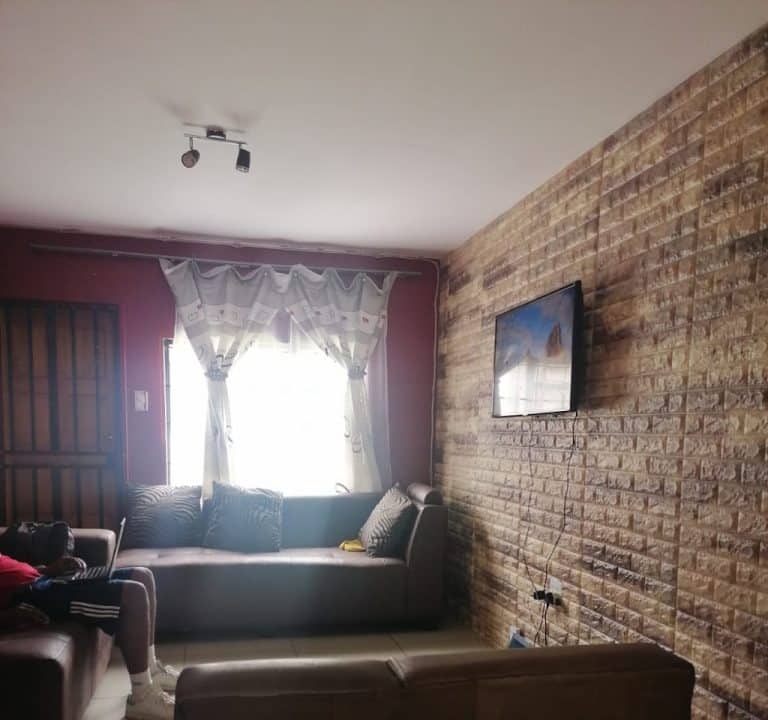
Typical amenities across Soweto homes include complimentary Wi‑Fi, daily housekeeping, on-site parking, and coffee and tea provisions in rooms. A number of properties feature shaded verandas, outdoor seating areas and communal kitchens or guest lounges where travellers can swap tips and stories. If your plans involve early starts, verify the availability of breakfast hours and whether there are options for packed lunches or early coffee. Some hosts arrange informal cultural nights or guided strolls that illuminate Soweto’s heritage and contemporary creativity.
Transport in and around Soweto is straightforward but varies by area. Local taxis and ride-hailing apps are widely used for short trips, while bus routes connect major hubs to the outskirts. If you plan to venture into central Johannesburg or neighbouring districts, you may prefer a stay that is within a short taxi ride of a main road or bus stop. Having a rough plan for how you’ll move between sights—whether you’ll walk modest distances on safe pavements or rely on a driver for longer hops—will help you create a smoother itinerary. For those who enjoy a self-guided approach, many streets around Soweto’s historic sites are pedestrian-friendly during daylight hours, making a comfortable walking plan feasible in good weather.
The best time to visit Soweto depends on your preferences. Spring and autumn bring pleasant temperatures for outdoor exploration and street markets. Winter can be cooler, with crisp mornings ideal for cultural tours and museum visits indoors. Summer brings longer days and occasionally afternoon showers; packing a light rain jacket and sun protection is sensible, particularly if you plan to spend time outdoors in markets or on street tours. If you’re interested in cultural festivals or heritage events, align your stay with local calendars, but be prepared for more visitors and busier streets during peak periods.
Must-do experiences at a high level include learning about Soweto’s history at museums or guided neighbourhood walks, and sampling the local food scene. Rather than focusing on specific venues, look for places that offer authentic, respectful cuisine and markets that highlight fresh produce, teas and traditional snacks. Dining in Soweto frequently encompasses a mix of hearty, home-cooked flavours and contemporary takes on local dishes. When choosing restaurants or casual eateries, seek venues that emphasise fresh ingredients, friendly service and a welcoming atmosphere, and consider booking ahead during busy weekends or festival times.
Practical tips to ensure a smooth stay: confirm check-in times and whether late arrivals can be accommodated; confirm parking arrangements if you’re travelling by car; pack modest clothing for modest cultural settings and respectful interaction with residents; keep a small amount of local currency for markets and street vendors; and always arrange your transport through reputable providers or your host if you’re unsure about schedules. With thoughtful planning and an open mind, a Soweto stay can be an enlightening and memorable part of any Gauteng itinerary.
- Explore areas with walkable streets, convenient eateries, and easy access to transport links.
- Choose accommodation that offers clear safety and logistical details, plus a warm, community-oriented atmosphere.
- Balance planned tours with downtime to enjoy markets, street life and local conversations.