Accommodation and Attractions in Marloth Park, Mpumalanga: Planning Your Stay
Nestled beside the mighty Kruger National Park and bordered by the meandering Crocodile River, Marloth Park offers a relaxed retreat that combines wildlife viewing with comfortable self‑catering stays and lodge experiences. The area is known for its wildlife-friendly practices, easy access to nature trails, and convenient proximity to an array of visitor experiences in Mpumalanga. When planning a stay, consider choosing an accommodation that suits your style—self‑catering cottages, spacious lodges, and boutique guesthouses all feature in Marloth Park, often with panoramic decks, outdoor dining areas, and private ablutions that make mornings and evenings in nature easy and memorable.
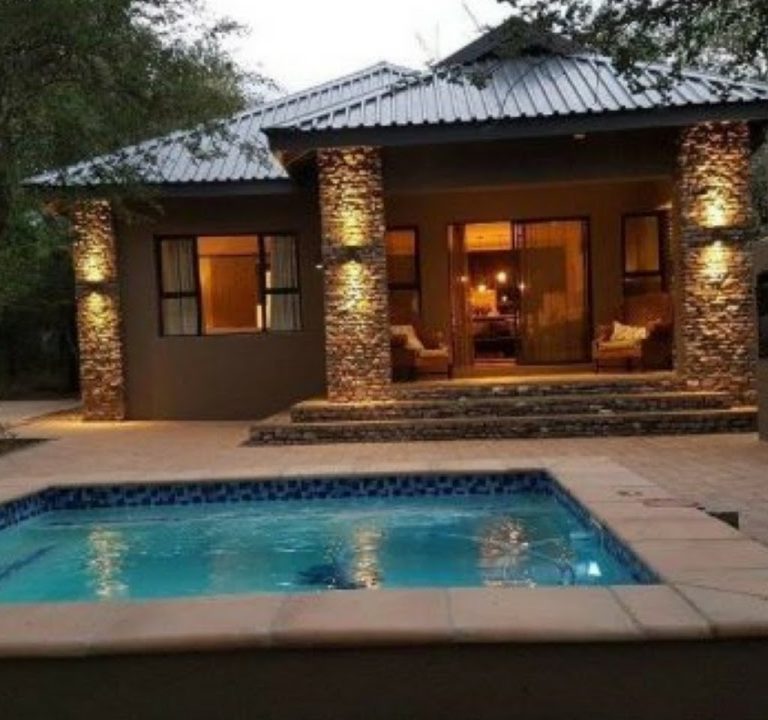
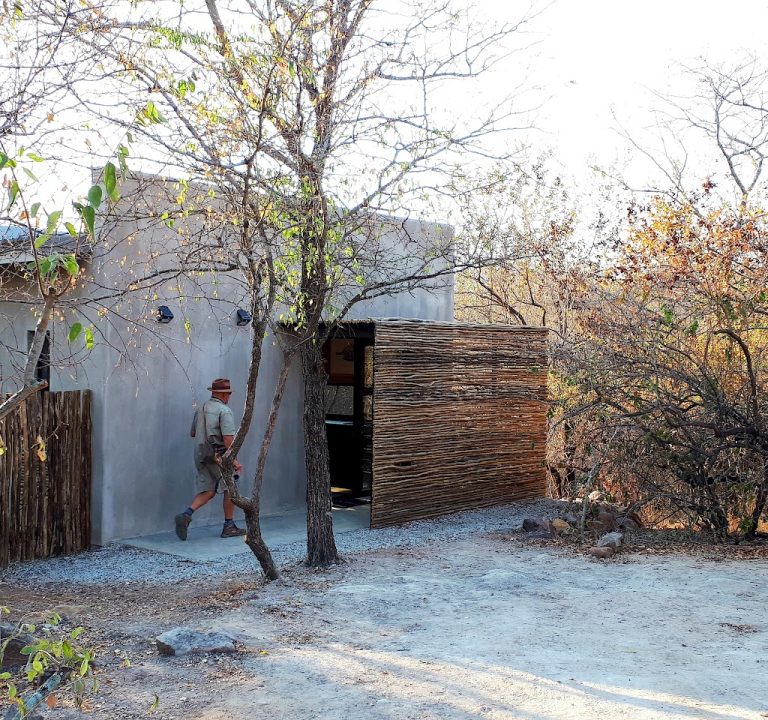
Areas to consider when selecting a base include the northern and central parts of Marloth Park, where many properties offer direct access to wildlife viewing spots and short drives to the Crocodile River. Some stays sit within gated communities that prioritise security and outdoor spaces for families, while others are more secluded, offering a private bush‑veld ambience. If you are travelling with children, look for properties with child‑friendly layouts, secure outdoor spaces, and nearby hiking or nature‑trail options. For a romantic escape or a tranquil break, a secluded lodge with an expansive deck and a pool can make a big difference to your daily rhythm.
Typical amenities you might expect include fully equipped kitchens or kitchenettes, air‑conditioning or ceiling fans, Wi‑Fi, and parking onsite. Many self‑catering options provide game viewing decks or verandas, BBQ areas, and purpose‑built outdoor spaces for alfresco meals. In Marloth Park, internet access can be variable in remote bush locations, so plan for some offline time or check with your host about connectivity. Electricity reliability can also vary with demand and weather, so it is wise to confirm generator or inverter arrangements, particularly if you rely on air‑conditioning or charging devices during outages.
Booking considerations go beyond price. Look for hosts who emphasise clear house rules about wildlife safety, gate access, and vehicle movement within Marloth Park. Consider the duration of your stay relative to gate hours and access times to Kruger boundaries, as waits at gates can affect day trips. If you intend to do self‑drive wildlife watching, ask about the best times for viewing, proximity to waterholes, and the level of vehicle traffic in adjacent bushland. It can also help to check whether the property offers a self‑drive orientation or welcome guidance on planned routes, especially for first‑time visitors to the area.
Transport options in Marloth Park are typically centred on self‑drive experiences. A road‑wise vehicle with sufficient clearance is advantageous for negotiating sandy or uneven tracks around the park, and many outings involve short hops between safari‑style viewpoints and convenient dining spots outside the park boundaries. Some guests fly into a nearby regional airport and hire a vehicle for the duration of their stay; others opt to rent a car locally. If you don’t want to drive, consider a stay with included transfer options or guided day trips to Kruger or nearby nature reserves. Always confirm parking arrangements and whether your accommodation provides private access or shared facilities.
Best time to visit Marloth Park depends on your priorities. The dry winter months (roughly May to August) are popular for wildlife viewing, as animals congregate around water sources and the weather is cooler. Summer brings warmer temperatures and dramatic afternoon thunderstorms, with lush vegetation and vibrant birdlife, though occasional rain can affect road conditions. Shoulder seasons offer a balance of wildlife activity and quieter properties. If you or your party have sensitivities to malaria, consult a healthcare professional for current recommendations for travellers to malaria‑prone areas in Mpumalanga and take appropriate precautions during your trip.
Practical tips for a smooth stay:
- Pack lightweight clothing for daytimes and cooler layers for early mornings and evenings on game drives or riverfront decks.
- Bring binoculars and a compact camera for closer wildlife observations from the safety of your property or a designated viewing area.
- Check your accommodation’s standby power arrangements and kitchen facilities to avoid surprises during outages or after sunset.
- Confirm gate access, vehicle rules, and safari etiquette with hosts before arriving.
- Consider a small safari first aid kit and sun protection—Maldives? (Note: actually, Mpumalanga sun can be strong, so hats, sunscreen, and water bottles are essential.)
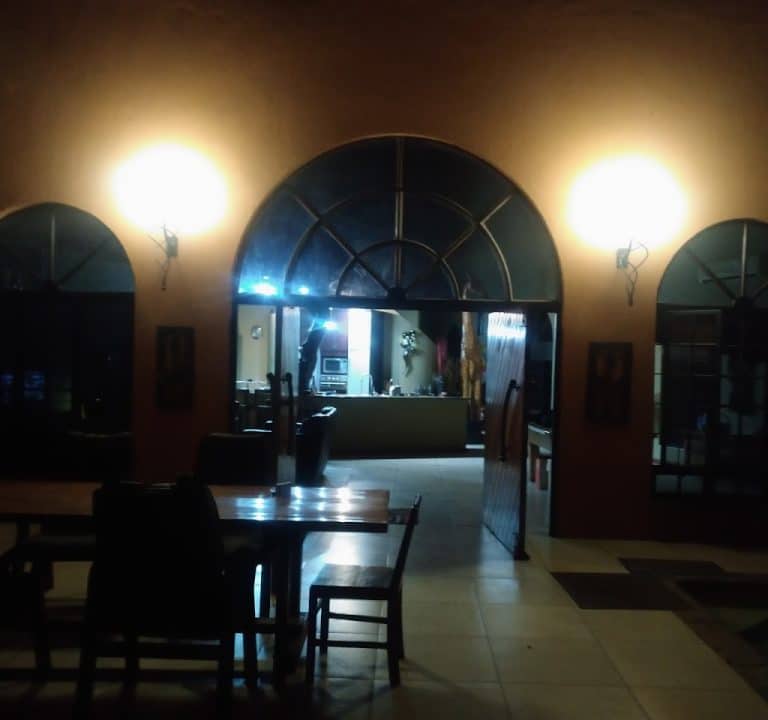
Beyond your base, Marloth Park offers a range of experiences that complement a relaxed stay. Wildlife‑watching viewpoints along the riverside, bush walks led by knowledgeable guides, and scenic drives into the surrounding landscapes form a natural itinerary. For dining and social options, many guests favour relaxed, family‑friendly eateries or casual venues where you can reflect on the day’s sightings over a well‑earned meal. While precise restaurant names and prices can change, you can expect options that prioritise hearty favourites, outdoor seating, and simple, well‑cooked staples that suit groups and travellers who value unpretentious hospitality.
For planning resources and ideas, consider consulting Mpumalanga’s official tourism information pages and regional guides. They can provide current recommendations on viewpoints, safety considerations, and seasonal events that align with your travel dates. Marloth Park is best enjoyed at a leisurely pace, with the understanding that your accommodation will serve as a comfortable launchpad for daily exploration, wildlife encounters, and restful evenings beneath the African night sky.