Accommodating Addo: where to stay and how to plan your visit to this Eastern Cape gateway
Addo, in the Eastern Cape, offers a compelling mix of wildlife experiences, natural scenery and a relaxed, welcoming pace that suits travellers seeking a balanced South African holiday. Whether you prefer a lodge on a private reserve, a guesthouse in a friendly village, or a countryside retreat with easy access to the Addo Elephant National Park, the key to a rewarding stay is choosing accommodation that aligns with your plans and comfort level. A well-placed base can maximise time spent on game drives, coastal trips, and delicious meals, while reducing travel fatigue.
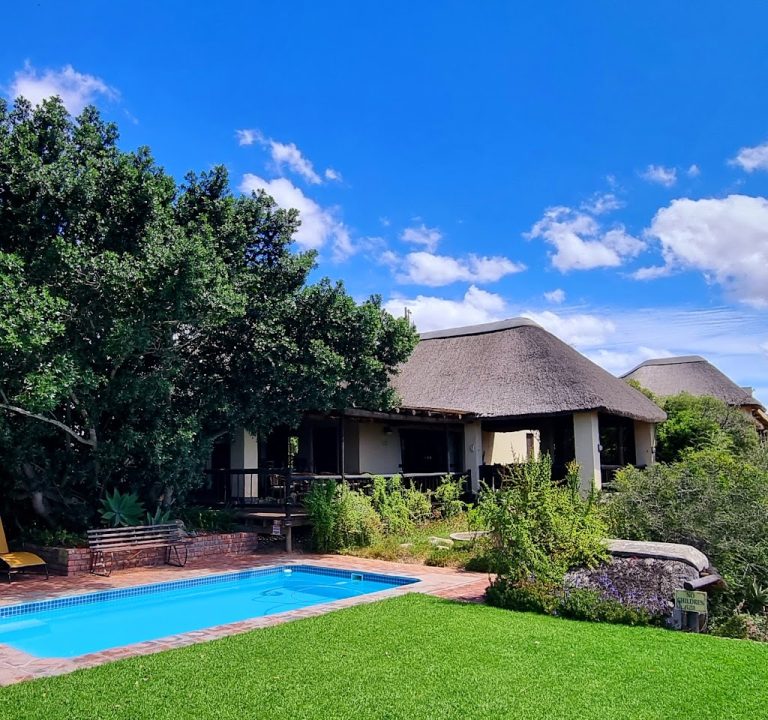
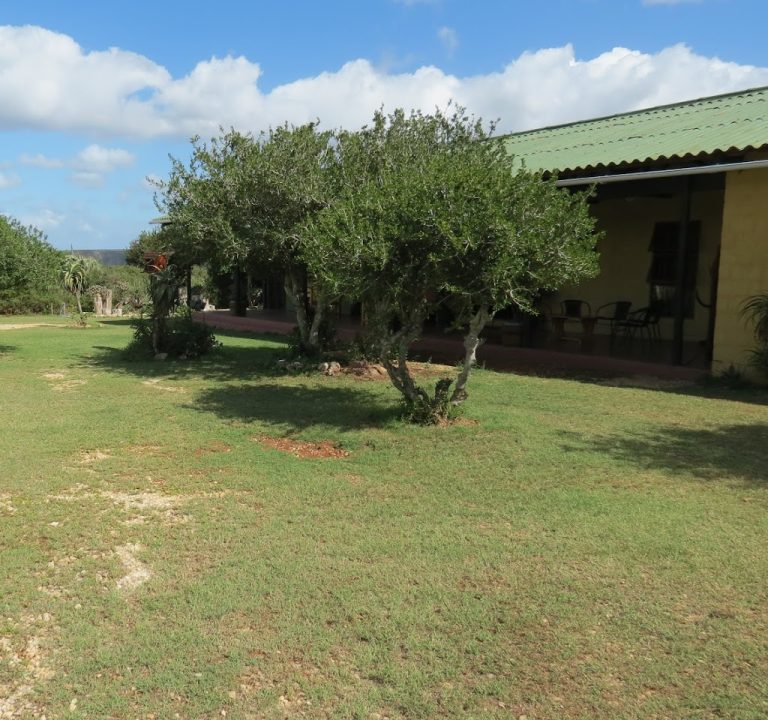
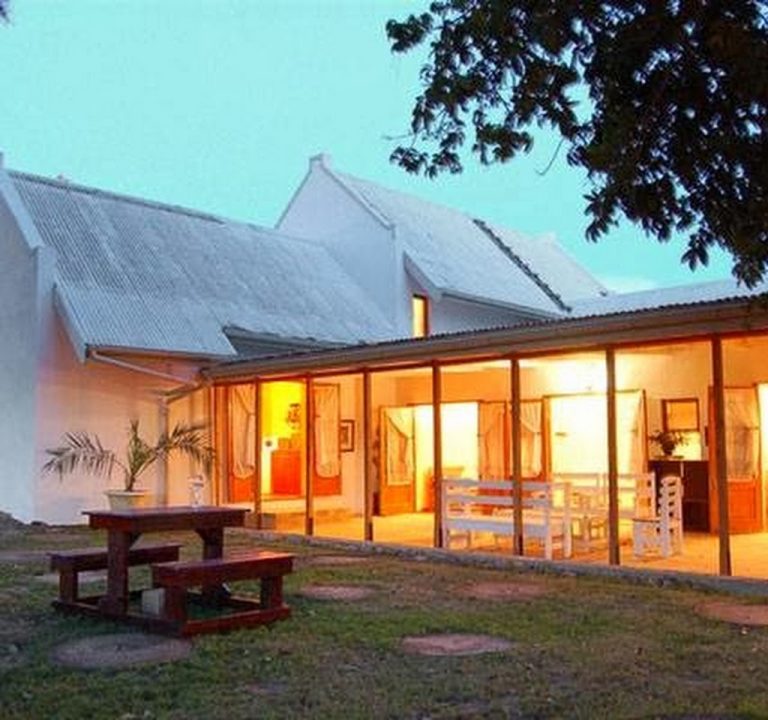
One standout option in the Addo area is Longhill Lodge, a lodge-style retreat set within its own landscape, offering a convenient launching point for morning wildlife activities and afternoon excursions. Its setting typically combines comfortable rooms with home-style hospitality, and it provides access to on-site or nearby nature activities. Visit the official site at Longhill Reserve for information on accommodation style, surroundings, and booking details.
Where you stay matters as much as what you do. Consider these areas when planning your stay:
- Near Addo Elephant National Park – easy access to morning and late-afternoon game drives, with opportunities to see the Big Five and other wildlife, depending on the reserve regulations.
- Coastal fringe and riverine settings – for calmer scenery, birdwatching, and quiet evenings after day trips.
- Rural village or farm-stay environments – often offering a more intimate community experience, home-cooked meals, and a slower pace.
- Private reserves and lodges – typically provide guided activities, night drives, and concierge planning, which can simplify logistics for first-time visitors.
When booking, several practical factors can influence your enjoyment and value. Here are some tips to help you choose wisely and plan effectively:
- Proximity to activities – if your primary goal is wildlife viewing, prioritise accommodation with easy park access or on-site guides. If you want coastal days as well, choose a base that isn’t too far from the coast.
- Meal arrangements – some places offer full-board, others bed-and-breakfast, and some with self-catering options. Decide whether you prefer on-site dining or the flexibility to explore nearby eateries.
- Guided experiences – consider whether your stay includes guided game drives, nature walks, or cultural excursions, and whether these experiences are included or available at an additional cost.
- Amenities – look for air-conditioning or under-floor cooling, reliable Wi‑Fi for planning daily activities, secure parking, and a comfortable lounge area for downtime after long days out.
- Family suitability – if travelling with children or older relatives, check accessibility, child-friendly activities, and safety features such as fenced grounds or supervised areas.
- Transport needs – assess whether you will hire a car, rely on organised tours, or use local transfers. Having a vehicle typically increases flexibility for day trips to different parks and viewpoints.
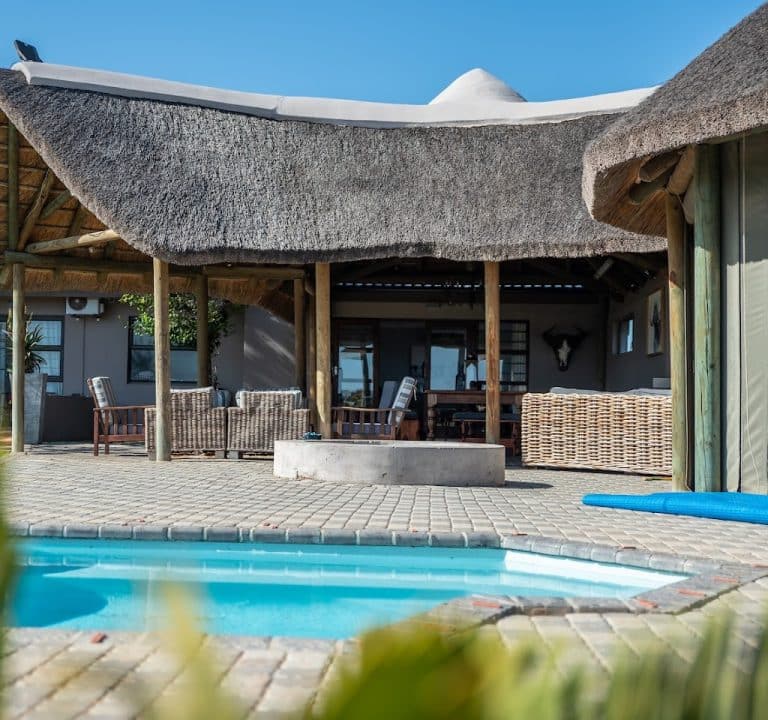
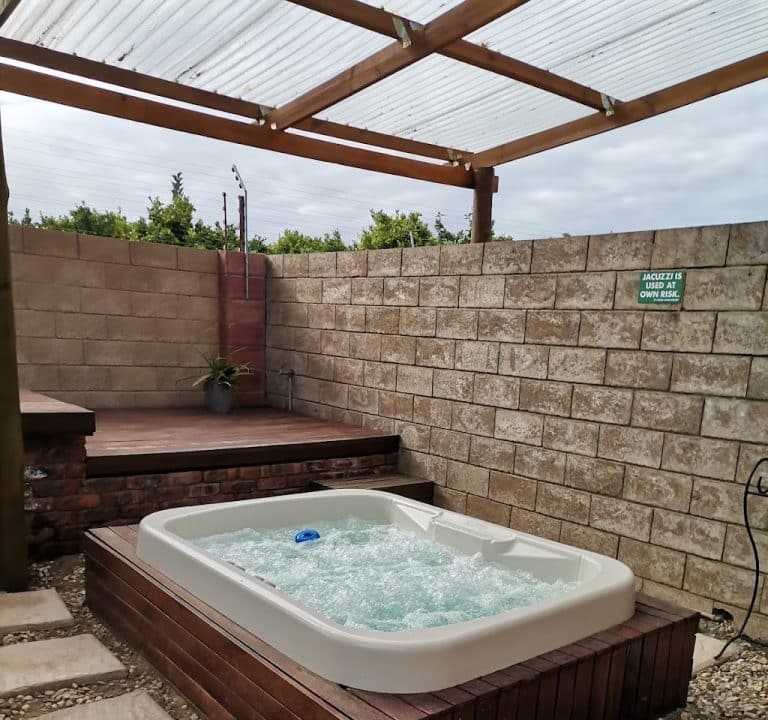
Typical amenities you can expect in well-regarded Addo accommodations include comfortable private rooms or cottages, clean en-suite facilities, hot showers, and ample outdoor spaces for wildlife watching. Many lodges and guesthouses offer shaded verandas or decks, where you can sip coffee while listening to the sounds of the bush. A swimming pool, library or common lounge, and cooking facilities or a bistro-style restaurant are common in larger properties. Look for flexible dining options, as some places tailor meals to the day’s activities or offer sunset gatherings with light snacks after game drives.
Best time to visit Addo generally aligns with the region’s climate patterns. The Eastern Cape enjoys warm summers with occasional showers and cooler, dryer winters. For wildlife viewing, early morning drives during the cooler months can be particularly rewarding, while dry winter conditions often place wildlife in easier-to-see congregations near water sources. Shoulder seasons can provide quieter properties and pleasant weather for outdoor activities such as walking safaris or coastal excursions.
Getting around and planning activities requires practical forethought. If you are staying in or around Addo, you’ll likely want a car for maximum flexibility, especially if you plan to visit multiple reserves or venture to the coast. Ensure your vehicle is comfortable for longer drives, check access times to gates and reserve hours, and factor in potential early starts for sunrise game drives. Some lodges offer transfers or guided transport as part of a package, which can simplify logistics for first-time visitors.
Beyond wildlife experiences, Addo and its surroundings offer opportunities for birdwatching, bush walks, and scenic viewpoints over rolling landscapes. Dining in the area often reflects rich South African flavours—meat-based dishes and regional favourites are common, with cafés and restaurants providing hearty, straightforward fare after a day on safari or a family day out. If you crave a broader culinary scene, plan a short excursion to nearby towns where local eateries present fresh, regional produce in welcoming settings.
Practical tips for visitors: bring a hat, sunscreen, binoculars, a light jacket for cooler mornings, and comfortable footwear for uneven terrain. Respect park rules and wildlife distances, keep noise to a minimum during dawn and dusk drives, and carry water for day trips. Finally, consider a flexible itinerary that balances early mornings, late afternoons, and time to enjoy your lodge’s surroundings—whether it’s a private reserve, a farm-stay, or a stylish countryside guesthouse.