Johannesburg: Accommodation and Experiences in Gauteng
Johannesburg, or Jo’burg, is a city of contrast, where modern high‑rise hotels sit alongside characterful guesthouses and cosy lodges. When planning a stay, it helps to think about the districts you’d like to explore and what kind of experience you want—from boutique comfort to family‑friendly practicality. A well‑timed visit, some strategic planning, and a touch of flexibility will unlock a memorable stay in Gauteng’s vibrant heart.
Key areas to consider for accommodation include the central business district (CBD) for easy access to museums, markets, and nightlife, the northern suburbs for leafy streets and upmarket dining, and the southern suburbs for a more relaxed, residential feel with good value options. A quick rule of thumb: the CBD can be lively and convenient for exploring culture and history, but some visitors prefer the calmer, well‑established neighbourhoods with secure parking and a more laid‑back ambience. For families, suburban lodges and guesthouses often provide larger rooms, on‑site parking, and comfortable lounges or kitchens to help with daily routines.
When booking, look for several practical assurances. A reputable property should clearly list the type of accommodation (hotel, guesthouse, lodge, or apartment), the size and layout of rooms, and the security arrangements. Check whether on‑site parking is available, and whether there is 24‑hour reception or secure entry. Ask about breakfast options, laundry facilities, and whether the property can assist with airport transfers or guided town walks. If you’re relying on public transport, confirm access to main roads and rail or bus links; many visitors also value proximity to Uber or ride‑hailing services and to safe, well‑lit streets after dark.
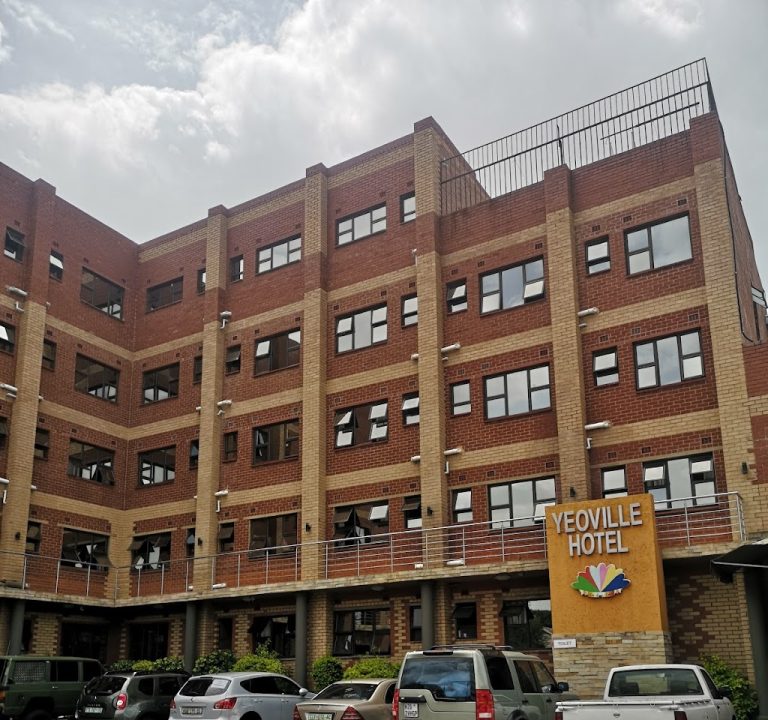
Typical amenities across Johannesburg’s accommodation mix include free Wi‑Fi, en‑suite bathrooms, air conditioning, and daily housekeeping. Boutique properties may offer curated furnishings, local artwork, and intimate dining spaces, while larger hotels typically provide fitness centres, business facilities, and on‑site dining options. For families or longer stays, serviced apartments or lodges with kitchenettes, lounge areas, and laundry facilities can simplify daily routines. If you’re visiting in peak seasons, availability can be competitive, so it’s wise to book a little ahead and confirm cancellation policies that suit your travel style.
Transport in Johannesburg is a practical consideration. The city is vast, and distances between sights can be substantial. If you plan to stay nearer the city centre or in the northern suburbs, a rental car provides independence, but many visitors also enjoy safe, reliable ride‑hailing or taxi options. Good access to major highways, as well as secure parking at accommodation, can save time. If you intend to explore more independently, consider accommodation with easy access to a rail link or well‑connected bus routes. For day trips or longer excursions, many hotels and guesthouses can arrange reliable transfers or guided tours to nearby attractions and markets.
The best time to visit Johannesburg is largely dictated by weather and events. Spring (September to November) and autumn (March to May) offer mild temperatures and pleasant outdoor conditions, ideal for exploring open‑air markets, gardens, and historic sites. Winter (June to August) can be cooler, with clear skies perfect for city photography and food markets, while summer (December to February) brings warm days and occasional showers; this is also when the city hosts outdoor performances and cultural happenings. If you’re chasing special events, check the local calendar in advance, but be prepared for higher occupancy during major conferences, festivals, or school holidays.
To plan a balanced stay, think about a mix of relaxed downtime and targeted outings. A stay in a well‑located hotel or guesthouse gives you a comfortable base for mornings at a café or bakery, afternoons visiting city galleries and markets, and evenings sampling diverse dining scenes. In terms of experiences, Johannesburg offers heritage sites, vibrant street art, and nearby natural escapes within easy reach. Typical activities include guided city walks that shed light on the city’s history and transformation, visits to architectural landmarks, and safe, family‑friendly time at parks or nature reserves on the outskirts of the metropolitan area. For food lovers, you’ll find a thriving restaurant culture ranging from traditional South African fare to contemporary international dishes, often complemented by markets and casual eateries that celebrate local ingredients.
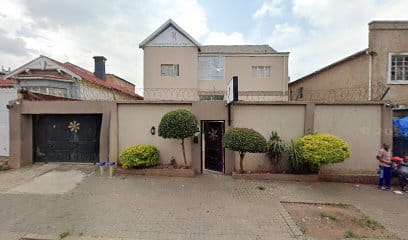
For a hypothetical stay example, a property like Long John Lodge presents a classic option within the broader category of hotels. It could offer comfortable rooms, friendly service, and convenient access to a range of attractions and neighbourhoods. When choosing such a stay, verify room configurations, on‑site facilities, and proximity to the spots you wish to visit, as well as any shuttle or guided‑tour arrangements that may simplify your itinerary.
Practical tips to maximise your Johannesburg stay:
- Book ahead for peak travel periods and major events to secure the best locations and room types.
- Choose accommodation with clear security measures, reliable Wi‑Fi, and easy access to transport links.
- Pack layers to adapt to changing temperatures, especially in spring and autumn.
- Prioritise reputable properties with transparent policies on breakfast, housekeeping, and cancellations.
- Plan a mix of indoor and outdoor activities to suit weather and energy levels.
For more ideas and inspiration, you can explore official Johannesburg tourism resources and regional guides, which offer practical tips, recommended routes, and dining suggestions. A well‑chosen base, a flexible itinerary, and an open mind to the city’s dynamic mix of cultures will help you make the most of your Gauteng visit. For further planning, consider visiting official tourism sites or trusted travel resources that provide up‑to‑date information on accommodation options, transport, and attractions across Johannesburg and its surroundings.