Johannesburg: accommodation planning, attractions, dining and practical tips for visitors
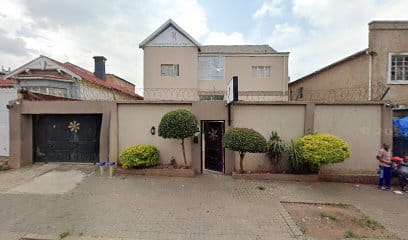
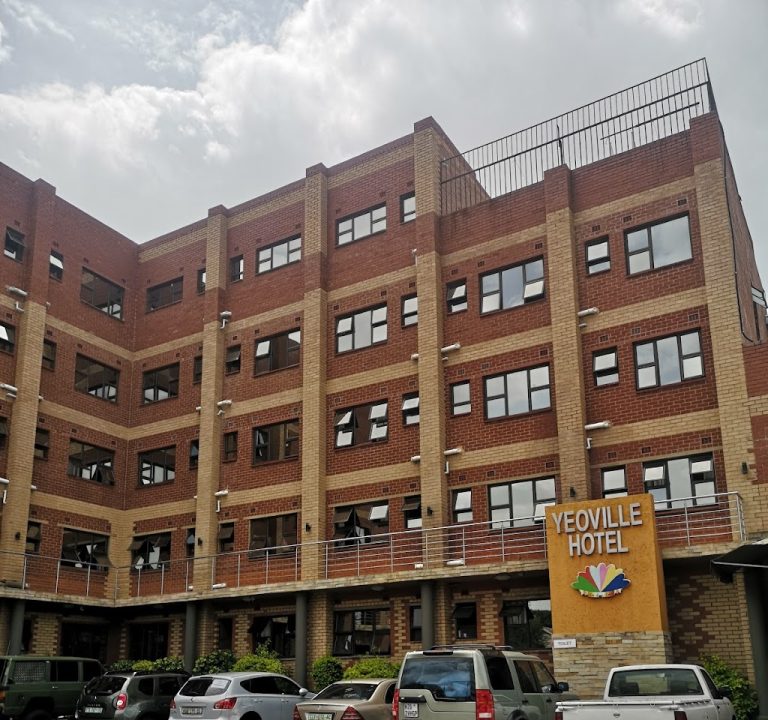
Johannesburg, the dynamic gateway to Gauteng, offers a wide range of accommodation options from intimate guest houses to stylish boutique hotels and contemporary lodges. When planning a stay, think about the area that best suits your interests, how you want to travel around the city, and the kind of experience you want to have. The city’s mixed urban energy means you can find everything from quiet residential ambience to buzzy, artsy neighbourhoods nearby top attractions and dining precincts.
Areas to consider
Sandton is a business and retail hub with high-rise hotels, modern conference facilities and easy access to the Gautrain to connect to central Johannesburg and Pretoria. For a more relaxed, artsy vibe with plenty of cafés, restaurants and street life, Braamfontein and Maboneng offer stylish guest houses and boutique stays close to galleries, theatres and markets. Rosebank and Melville provide a balance of convenient transport links with lively dining scenes and traditional guest houses or guest apartments. Soweto, with its rich history and vibrant culture, can offer welcoming family-run guest houses and lodges with a more intimate, neighbourhood feel—often a great base for guided township experiences and outdoor walks. If you prefer green spaces and leafy streets, consider suburbs like Greenside or Edenvale that blend suburban calm with easy city access.
What to look for when booking
Start by considering security and access: 24-hour reception, gated parking or secure onsite parking, and clear safety procedures. Check the location in relation to the places you plan to visit, and consider proximity to reliable public transport options or ride-hailing services. Read recent guest reviews to understand safety, cleanliness and service standards. Look for clear listing details on room type, bed configuration, amenities such as air conditioning or heating, Wi‑Fi quality, in-room workspaces if you need to work, and whether breakfast is included or available nearby. If you are travelling during peak events or school holidays, book early to secure preferred rooms or quiet corners of busy areas.
Typical amenities you might encounter
- Comfortable en-suite or well-appointed shared bathrooms
- Free Wi‑Fi, workspace areas, and USB charging points
- Air conditioning or portable cooling for warm days
- Self-catering facilities or a stocked pantry in guest houses
- Secure parking, on-site or nearby
- organised tours or local recommendations from hosts
Transport and getting around
Johannesburg is a car-friendly city, but many visitors prefer managed transport to maximise time and comfort. The Gautrain provides fast connections between the airport, Sandton, Rosebank and central Pretoria, while Uber and other ride-hailing services are widely used across the city. If you plan to stay in a central district like Rosebank, Braamfontein or Sandton, ensure your accommodation offers easy access to public transport hubs or major arterials. For a wider exploration of surrounding areas, including township experiences or nature spots, arrange a guided day tour or hire a car with a reputable operator, especially if you want to venture into areas beyond the immediate city centre.
Best time to visit
Johannesburg experiences warm summers and cooler winters. The peak travel window is generally during the southern hemisphere autumn and spring months, roughly April to May and September to October, when daytime temperatures are comfortable and there’s less rain compared with the summer thunderstorm season. If you visit in the winter months (June to August), pack layers for chilly mornings and evenings, as temperatures can drop quite noticeably, particularly in higher areas or overnight.
Practical tips for planning a stay
Allocate a couple of full days if you want to combine cultural experiences with shopping and dining. Moderate, well-connected zones are easiest for exploring on foot or by short rides. For safety, stick to well-lit streets and familiar areas after dark, particularly in city fringe neighbourhoods. If you are arranging guided experiences, choose operators with clear itineraries and good reviews, especially for township tours or day trips to nearby natural or cultural sites. Pack comfortable walking shoes for museum and street-walking days, and keep a light rain jacket handy during shoulder seasons when showers can pop up unexpectedly.
Where to stay and how to plan around attractions
Accommodation in Johannesburg ranges from guest houses offering personalised touches to boutique hotels with stylish interiors. When selecting a place, consider how close you want to be to the day’s planned activities—such as a morning visit to a museum or gallery, an afternoon shopping precinct, or an evening meal in a renowned dining district. A well-located stay can reduce transit time and increase opportunities to enjoy short walks, coffee stops and spontaneous discoveries around vibrant streetscapes.
Food and dining atmosphere
Johannesburg’s food scene is diverse, ranging from casual cafés to live music venues and refined restaurants. Many guest houses and boutique hotels arrange breakfast options or provide recommendations for nearby eateries that reflect the city’s cosmopolitan flavour. When booking, you may prefer a property that offers breakfast or has an in-house dining option, balanced by proximity to standout neighbourhoods where independent cafés and eateries thrive. For guests seeking variety, a base near a dining district often makes after-dinner strolls and tasting experiences convenient and enjoyable.
Further information and inspiration
To plan your stay with confidence, consult official tourism sources and current guest reviews. Practical planning can be enhanced by looking at reputable travel guides and local listings for accommodation options in the main districts. For those seeking additional ideas, local tourism boards and city guides often provide practical itineraries that blend culture, history, shopping and cuisine, helping you craft a satisfying Johannesburg visit. More information can be found through established regional tourism websites and travel-planning resources online.