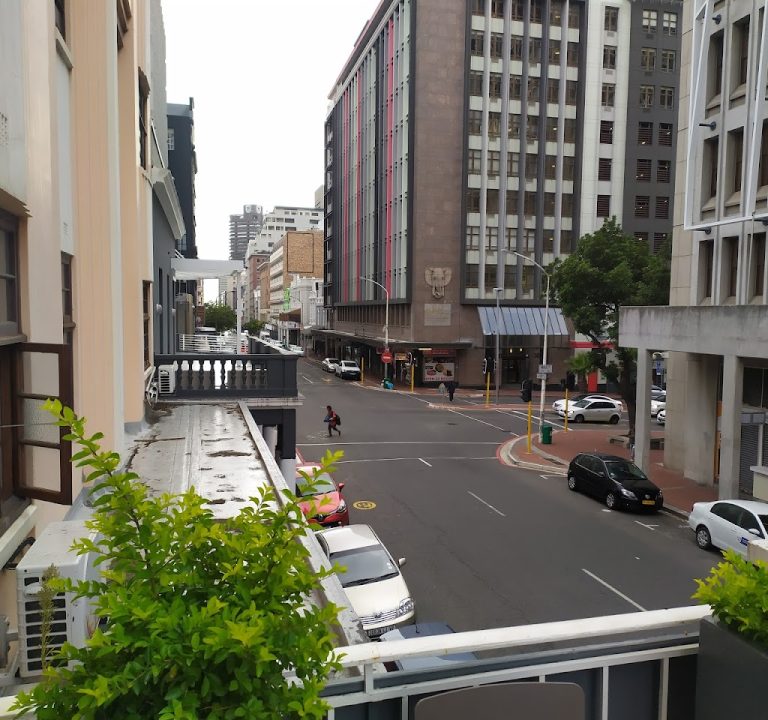
Cape Town: Where to stay, local experiences, and practical planning for a memorable visit
Cape Town, a city of dramatic scenery, diverse neighbourhoods and a welcoming pace, offers a wide range of accommodation to suit every traveller. From boutique hotels in the V&A Waterfront area to guesthouses tucked away in historic streets, and contemporary stays near the Atlantic Seaboard, choosing the right base can shape your whole experience. When planning a stay, consider what you want to explore most: mountains and beaches, city culture, or easy access to nature and wine regions. Your choice of neighbourhood will influence travel time, mood, and the pace of your days.
When evaluating lodging, think about size and layout, breakfast options, and access to common spaces. Many travellers value rooms that feel like a calm retreat after days spent sightseeing, paired with essentials such as reliable Wi‑Fi, a comfortable bed, good lighting, and secure, on-site parking or convenient transport links. If you’re travelling with a group or family, look for family rooms or suites with separate living areas. For solo travellers, a welcoming reception, helpful concierge services, and nearby social spaces can make a big difference. If you have dietary needs, check whether breakfast is self‑serve or cooked to order, and whether the kitchen or kitchenette is available for light meals.
Popular areas to consider include the historic heart of the city, which provides easy access to museums and cultural sites; the iconic Atlantic Seaboard, known for its scenic drives and beaches; and the leafy suburbs that offer a quieter pace while still being well connected to main routes. The sought-after Cape Town city centre provides walkable access to restaurants and nightlife, while the Atlantic coastline offers dramatic views and a relaxed, upscale atmosphere. For a more family-friendly or residential feel, consider areas slightly outside the immediate centre with good transport links to the main attractions. If you prefer a stay with character, you’ll find boutique properties set in restored Victorian or Cape Dutch buildings that blend heritage with modern comforts.
Transport in Cape Town is generally straightforward but varies by area. The MyCiTi bus network covers many central routes and suburbs, while ride-hailing services are widely available. If you’re renting a car, plan for peak-hour traffic around the CBD and beaches, and note that parking can be limited in busy districts. For day trips to the Cape Winelands, the Cape Peninsula, or Table Mountain, you may want to join a guided tour or hire a vehicle with a driver. Some boutique hotels offer shuttle services or partnerships with trusted tour operators, which can simplify logistics and help you tailor your days to your interests.
Best time to visit Cape Town depends on what you want to do. The summer months (roughly November to March) are warm and coastal, ideal for beaches and outdoor activities, but can be busier with higher prices. March to May and September to November offer pleasant weather, good for hiking and city exploring, with fewer crowds. Winter (June to August) brings cooler, wetter weather, yet it can be a fine time for museum visits, culinary experiences, and whale watching from the coast. Regardless of season, plan ahead for popular experiences such as cable car trips, nature walks, and renowned dining experiences, and be mindful that weather in the area can change quickly, especially near the coast and Table Mountain area.
Typical amenities to look for include reliable heating or air conditioning, sufficient storage space, a well-equipped bathroom, and a quiet room for restful nights. Access to a well-equipped kitchen or tea and coffee provisions can be convenient, and some guests appreciate on-site gyms, rooftop terraces with views, or outdoor spaces for sunbathing. In boutique and guesthouse settings, expect thoughtful touches such as locally sourced pastries, curated reading materials, and personalised recommendations. If you have mobility considerations, check for step-free access, elevator availability, and room layouts designed for ease of movement.
When planning your itinerary, balance must-see landmarks with opportunities to simply enjoy the city’s atmosphere. In addition to iconic natural landscapes, Cape Town offers diverse dining scenes ranging from casual markets and waterfront eateries to refined restaurants emphasising fresh seafood and farm-to-table produce. Look for places with hearty breakfasts, seasonal menus, and options for vegetarians or those with dietary restrictions. For a relaxed evening, you might enjoy a stroll along the coast, a sunset lookout, or a neighbourhood bar with views of the city lights. Family-friendly activities include beaches with gentle water, scenic drives, and educational experiences that introduce local culture and history.
- Choose a base that minimises daily travel while giving quick access to your core interests.
- Check for flexible cancellation policies and the availability of late check-out options during peak seasons.
- Ask about suggested day trips and transport arrangements, especially if you’re new to the area.
- Consider staying in a property that offers insider tips on hidden beaches, markets, and lesser‑known viewpoints.
As you plan your stay, keep a few practical tips in mind. Pack a versatile wardrobe for coastal breezes and sudden weather changes, bring sunglasses and a hat for sunny days, and always have a light rainproof layer on hand. Budget for a mix of paid activities and free coastal walks to balance costs. Finally, remember to book well in advance for sought-after properties and experiences, particularly in peak seasons, and consult your accommodation’s local recommendations to tailor each day to your preferences. With careful planning, Cape Town’s dynamic mix of nature, culture, and cuisine can be enjoyed at a comfortable pace, leaving you with lasting memories of your stay in this remarkable region.