Marloth Park, Mpumalanga: Accommodation, Attractions and Practical Planning for a Memorable Stay
Set on the edge of the southern Kruger region, Marloth Park offers a retreat where wildlife and comfortable accommodation meet in a relaxed, low-rise landscape. The area is renowned for its wildlife corridors and riverine scenery, with many properties sitting within or just outside the reserve boundary. When planning a stay here, travellers should think about proximity to gates and water sources, the type of experience desired (self-catering, full-service lodge, or a family-friendly villa), and how daily activities will be balanced with rest and relaxation on site.
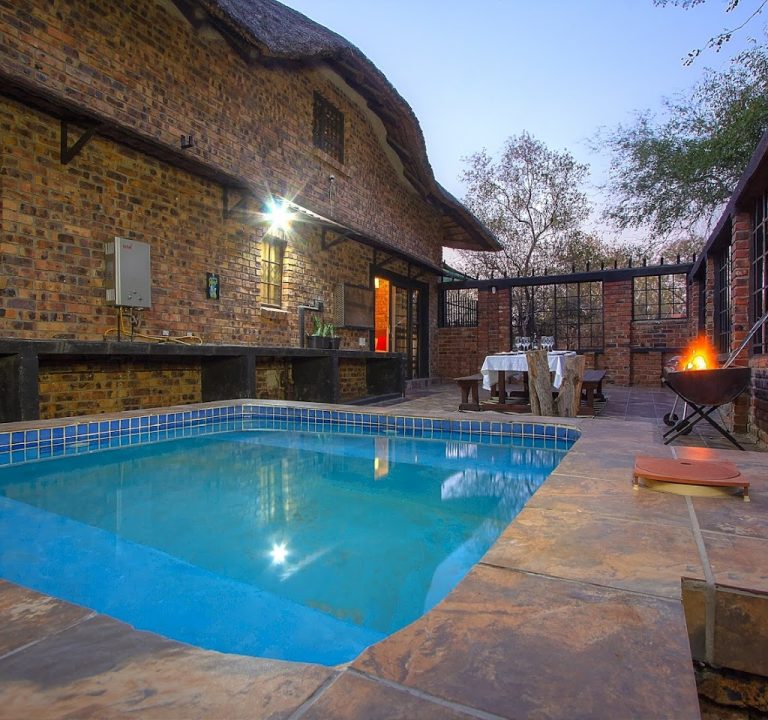
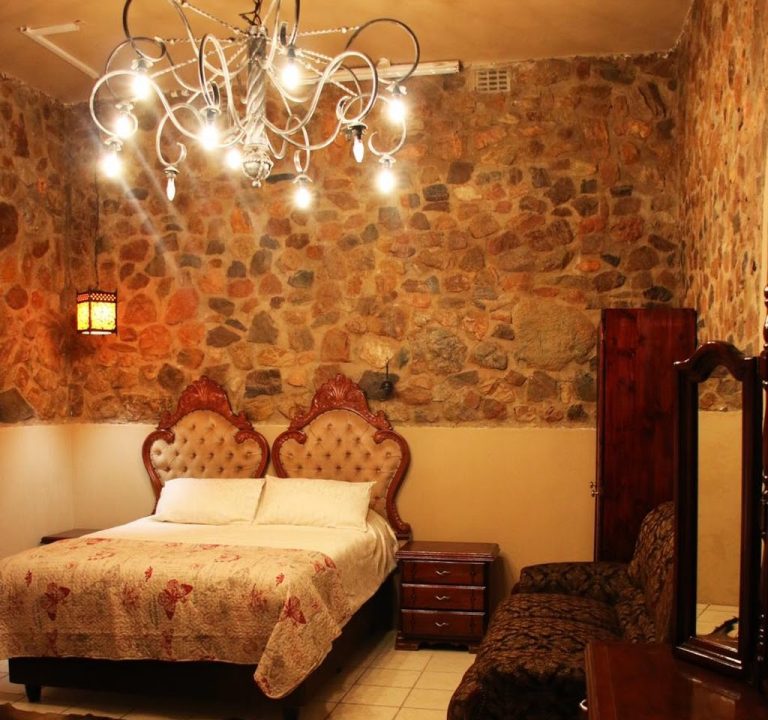
Accommodation options in Marloth Park range from self-catering lodges and spacious houses to boutique cottages and villas. A typical property in this area emphasises a home-from-home feel, with features such as private patios or decks, outdoor seating, and spaces suited to families or groups. Self-catering lodges like Lionsview Private Lodge provide the flexibility to prepare meals at convenient times, which can be ideal for a wildlife-focused itinerary. When evaluating a stay, consider:
- Proximity to the river or open savannah: early morning or late afternoon wildlife viewing can be especially rewarding from a private terrace or garden.
- Privacy and layout: separate sleeping areas, outdoor dining spaces, and secure parking can add comfort for groups or longer visits.
- Household amenities: a well-equipped kitchen, laundry facilities, and reliable wifi for planning day trips or keeping in touch during longer stays.
- Safety features: gated access, secure fencing, and clear guidance from hosts on wildlife encounters.
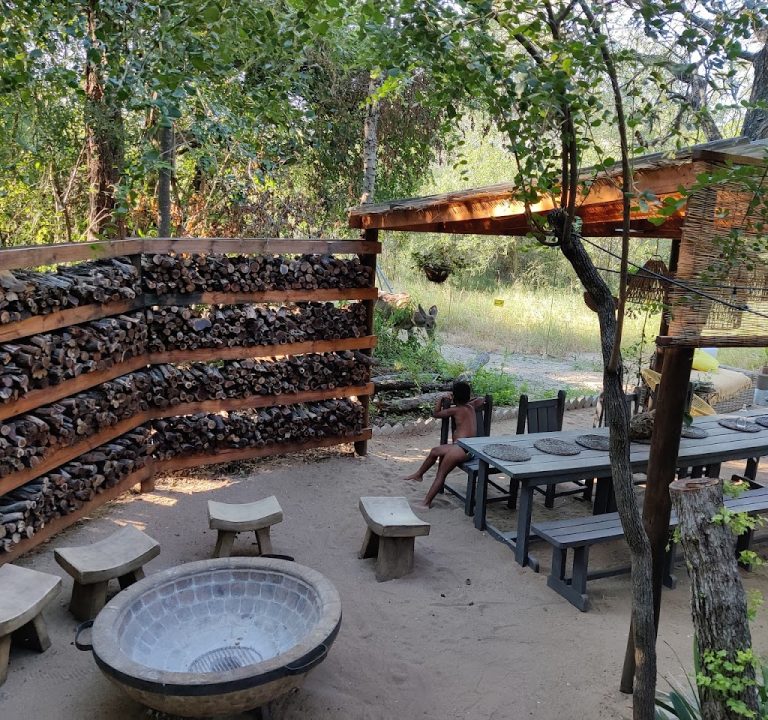
Areas to consider within Marloth Park include zones closer to the river, where animal sightings are common, and a cluster of amenities that may include a shared pool, on-site braai facilities, and nature trails. Those seeking a quieter ambience might prefer quieter lanes or cul-de-sacs away from the main entrances while still being within easy reach of wildlife viewing opportunities. A host or property manager can offer local insights on the best vantage points and safe walking routes, which can enhance the experience without the need for extensive planning each day.
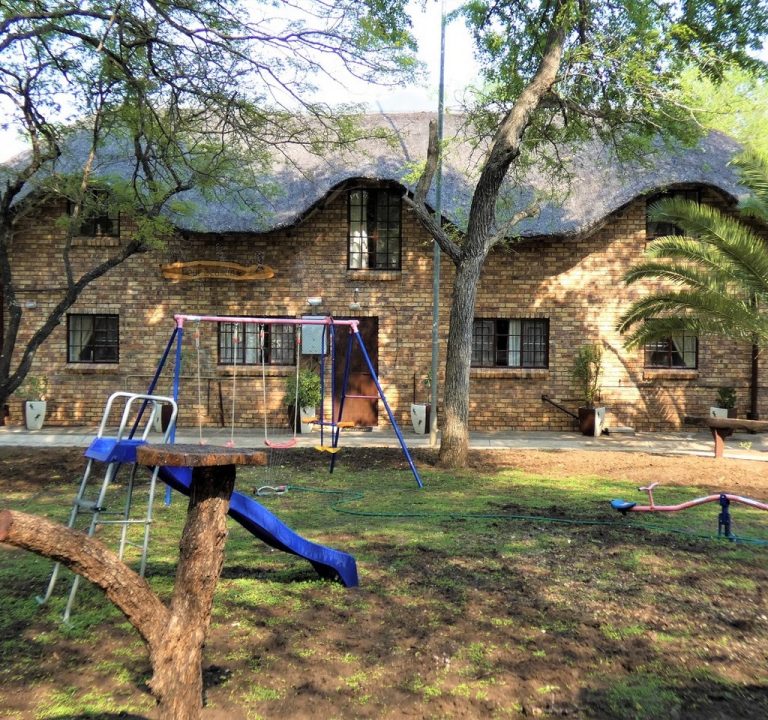
What to look for when booking comes down to practicalities as well as the ambience. Confirm the number of bedrooms and bathrooms, and check whether linen, towels, and cleaning are included in the rate. If you plan to self-cater, ensure the kitchen is well stocked with essential utensils and appliances. Outdoor spaces are a standout feature in Marloth Park; a good property will typically offer shaded areas for al fresco meals and a secure, fenced setting for families with children or pets, if permitted by the host.
Transport and accessibility are important considerations. Marloth Park is best explored with a vehicle; most guests rely on a sturdy car to reach gates, shops, and scenic drives. Some properties offer transfers or can organise guided game drives and nature walks—these can be a convenient way to experience wildlife without adding the burden of navigation, especially for first-time visitors. If you’re flying in, plan how you’ll move from the closest airport or town to Marloth Park, and budget for fuel and occasional guided outings if you’d like expert insights on animal behaviour and park ethics.
The best time to visit Marloth Park depends on what you want from your stay. Dry winter months (roughly May to September) often provide excellent wildlife viewing as animals congregate around water sources and vegetation is thinner, making sightings easier. The shoulder seasons can bring pleasant temperatures and fewer crowds, while the summer rains create lush landscapes and dramatic skies, albeit with higher chances of afternoon showers. Consider your tolerance for heat, the chance of insect activity, and how you intend to balance outdoor adventures with relaxation on your verandah or by a pool.
Practical tips to help you plan a smooth stay:
- Book in advance during peak periods, especially if you want a property with specific features such as a private pool, river view, or large group capacity.
- Verify what is included in the rate (linen, towels, cleaning) and whether there are any additional fees for electricity or wildlife-related services.
- Ask about accessibility ramps or features if mobility is a factor, and check on parking arrangements for multiple vehicles.
- Pack practical gear: sun protection, lightweight clothing for day trips, a good pair of binoculars for wildlife viewing, and a compact first-aid kit.
- Respect wildlife guidelines and park rules; hosts often provide local tips on where to observe animals safely and responsibly.
Dining options within Marloth Park often centre on on-site or nearby lodge restaurants, cafés, and casual eateries that offer African-inspired menus and relaxed atmospheres. Self-catering travellers will find supermarkets and convenience stores within reasonable driving distance, making it easy to prepare meals at home and enjoy sunset barbecues with friends and family. For a convenient starting point, many guests book stays supported by a trusted local host and explore the surrounding area at their own pace, combining wildlife drives with gentle riverside strolls.
Example accommodation to explore is Lionsview Private Lodge, a self-catering option that offers private, comfortable spaces suitable for families or groups looking to enjoy Marloth Park at their own pace. More information can be found at the official website: Lionsview Private Lodge.
With careful planning, Marloth Park can offer a balanced and enriching stay that blends effortless relaxation with memorable wildlife experiences. By selecting a well-situated property, understanding what’s included in your booking, and outlining a flexible itinerary, you can enjoy the best of this Mpumalanga gem while staying within easy reach of the magnificent landscapes and tranquil river vistas that define Marloth Park.