Accommodation and Experiences in Marloth Park, Mpumalanga
Nestled beside the wilds of the Kruger Triangle, Marloth Park in Mpumalanga offers a relaxed setting where wildlife and nature form the backdrop to a comfortable stay. Among the range of lodging options, Bushbaby Eden stands out as a thoughtfully designed indoor lodging choice that blends family‑friendly appeal with easy access to the park’s natural wonders. Whether you are seeking a quiet retreat, a place to base your safari adventures, or a family-friendly base for exploring the region, Marloth Park delivers a distinctive, nature‑driven holiday experience.
Areas to consider when planning your stay include the riverside zones that frame Marloth Park and the more secluded pockets inland. The riverside precincts tend to offer closer proximity to wildlife sightings at dawn and dusk, with elevated viewpoints and verandas designed for easy wildlife watching from the comfort of your accommodation. Inland pockets can offer larger properties, greater privacy, and spaces that are ideal for self‑driven days, barbecues, and relaxed exploration of the surrounding bushveld. When choosing a place to stay, consider the following: proximity to access gates or entrances to the wildlife areas, the presence of secure fencing or wildlife‑proofing, and the availability of essential amenities such as air‑conditioning, reliable electricity, and cooking facilities.
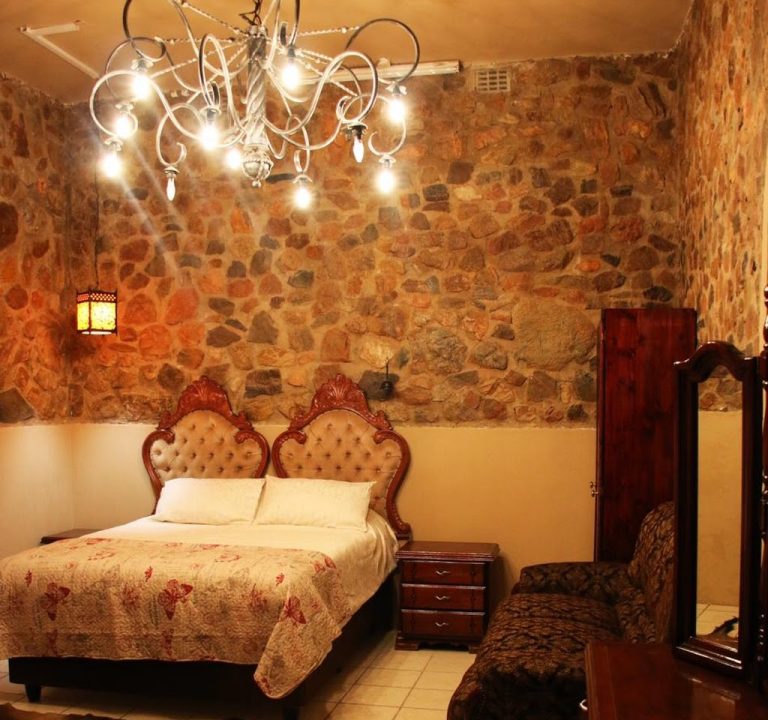
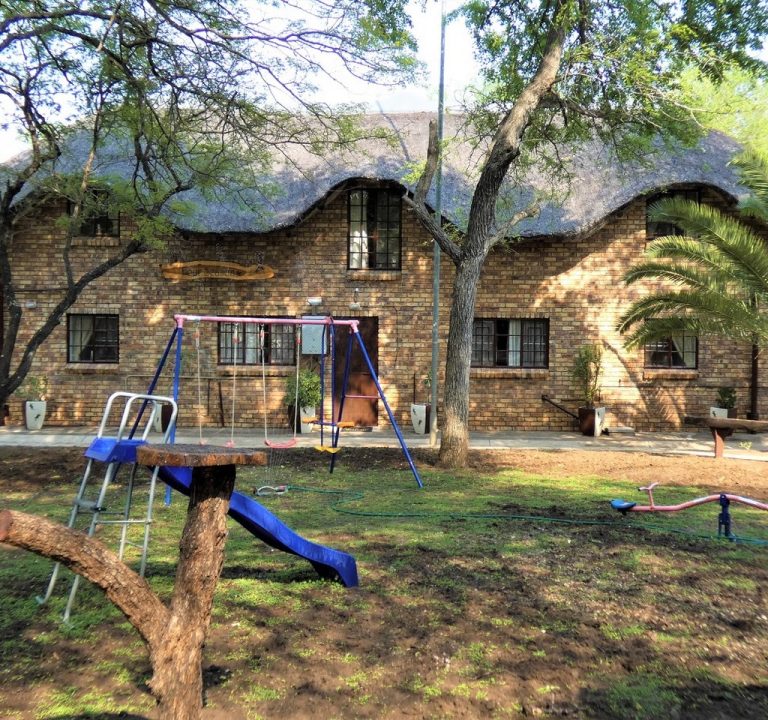
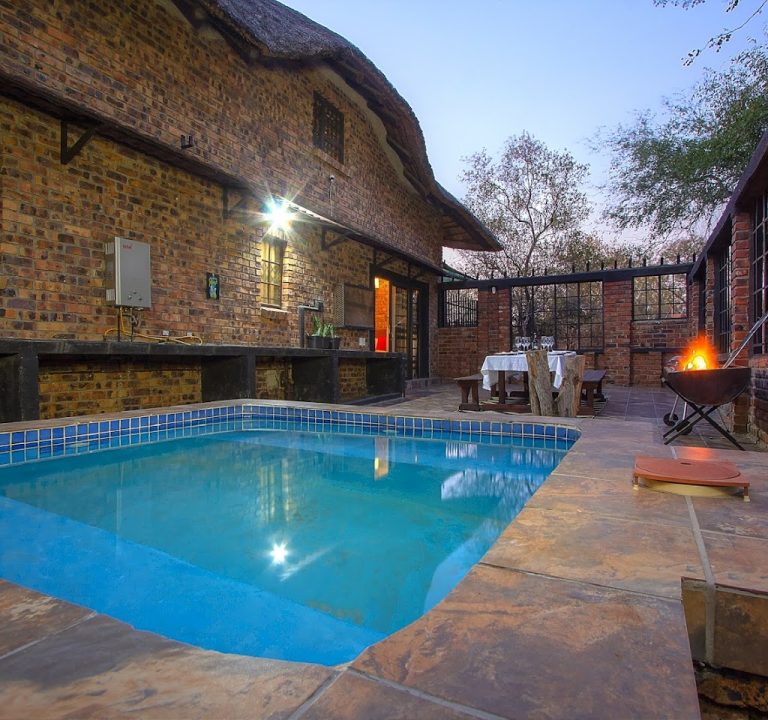
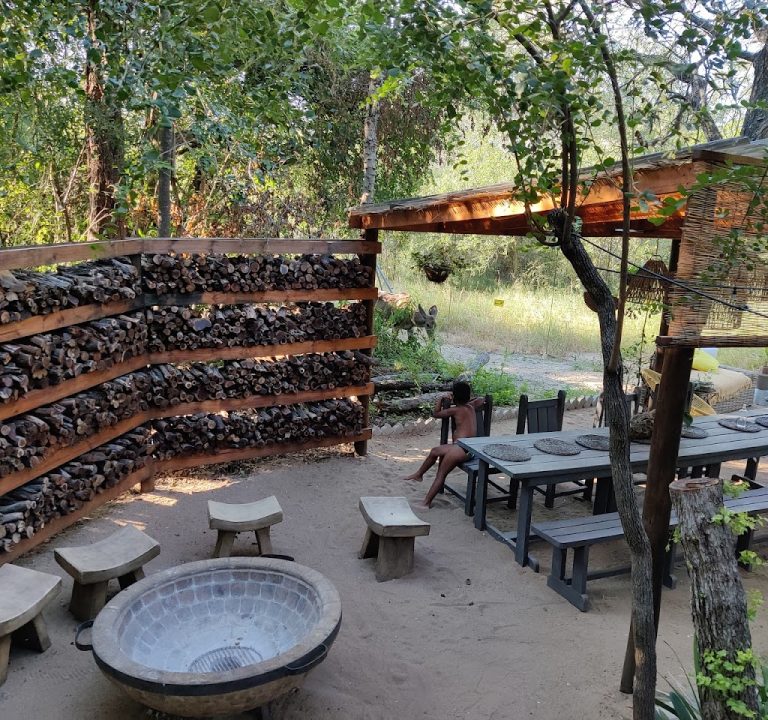
Typical amenities in Marloth Park’s lodgings range from self‑catering cottages and guesthouses to more complete lodge‑style retreats. In family‑friendly properties you may find multiple bedrooms, outdoor decks, and private or shared pools, while some intimate indoor lodgings focus on comfort and privacy with well‑equipped kitchens and comfortable lounge spaces. For Bushbaby Eden and similar options, expect well‑furnished interiors, a kitchen area with cooking facilities, and outdoor spaces designed for enjoying the colours of the bush in safety and comfort.
When booking, it helps to have a clear plan for the type of activities you want. If wildlife viewing sits high on your list, look for properties with easy access to nature trails, wildlife corridors, or guided safari options that operate from Marloth Park or the nearby game reserves. Some stays may offer recommendations for guided walks, self‑drive routes, or sunset drives in compliant, wildlife‑safe formats. If stargazing or quiet evenings on the veranda appeal, prioritise accommodation with a comfortable outdoor area, good lighting, and a shaded or covered space for late‑afternoon relaxation.
Transport to and around Marloth Park is straightforward but depends on your preferred pace of travel. Most visitors arrive by road, collecting supplies in larger towns before entering the park. Within Marloth Park, a car or SUV is usually the most practical option for independent exploration, with some properties offering parking on site. If you plan to explore Kruger National Park or other reserves nearby, you may want to arrange day trips or guided tours that operate from Marloth Park or the adjacent townships. Check with your host about the most convenient access routes and the best times to depart for wildlife viewing to maximise your chances of success without overloading your days.
Best time to visit Marloth Park typically aligns with the cooler, drier months when wildlife is active and the bush is easier to navigate. However, the shoulder seasons can offer calmer roads, lower wildlife‑viewing crowds, and more moderate temperatures for long walks and self‑drive safaris. Always consider seasonal rainfall patterns, as showers can bring lush landscapes and fresh birdlife, but may also affect road conditions and accessibility to some trails. On balance, many guests find spring and autumn to be particularly pleasant for outdoor days and wildlife observation, with winter offering crisp mornings ideal for early safaris.
Practical tips to help you plan and enjoy your stay:
- Confirm wildlife safety features with your host. Ensure fencing, gates, and evening lighting meet your family's needs and align with your comfort level around free‑roaming wildlife.
- Pack practical clothing for outdoor activities: lightweight layers for morning drives, a hat, sun protection, and sturdy footwear for walking safaris or trails.
- Bring reusable water bottles and a small first‑aid kit for day trips, especially when trekking through or near bushveld areas.
- Check electricity arrangements and backup options. Some properties in Marloth Park rely on generators or solar power, which can influence appliance use in the evenings.
- Plan dining thoughtfully. While many lodgings are self‑catering, there are often nearby eateries or a few on‑site dining options. If you prefer not to cook every night, discuss flexible meal arrangements with your host in advance.
- Respect the quiet hours and wildlife rules that help protect animals and preserve the experience for future visitors.
Attractions in general terms around Marloth Park centre on encounters with nature and the freedom to observe wildlife in natural settings. In the broader area, visitors can expect opportunities for guided game drives, photographic safaris, and bush walks that highlight birdlife, reptiles, and small mammals in their natural habitats. The nearby riverine landscapes provide scenic viewpoints and chances to enjoy tranquil sunsets after days spent exploring the bush. For meals and broader retail needs, you can expect a mix of small cafés, takeaways, and basic shops within reasonable reach, with larger market towns offering a wider range of grocers and dining choices.
To help you plan ahead, consult web resources or guest‑host recommendations for Marloth Park: you may find general visitor information, tips for climate and safety, and suggested itineraries that balance wildlife time with rest days. If you are staying at Bushbaby Eden or similar indoor lodging, you will typically have a comfortable home base from which you can venture out to explore the region in a relaxed, nature‑led pace. For more information and ideas on Marloth Park and the surrounding Mpumalanga landscape, you can explore local tourism pages and the park’s official site where available.