Springbok, Northern Cape: Accommodation, Attractions and Practical Planning
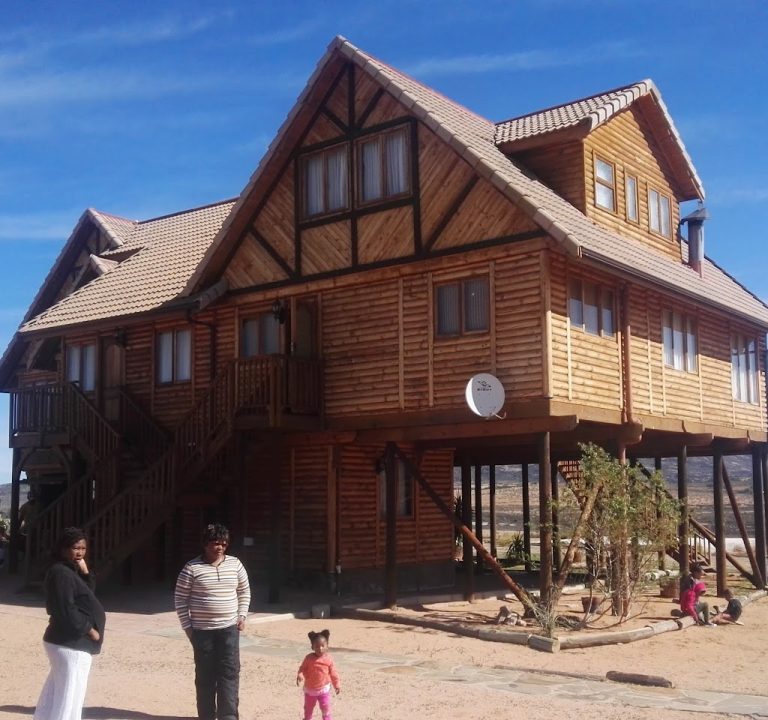
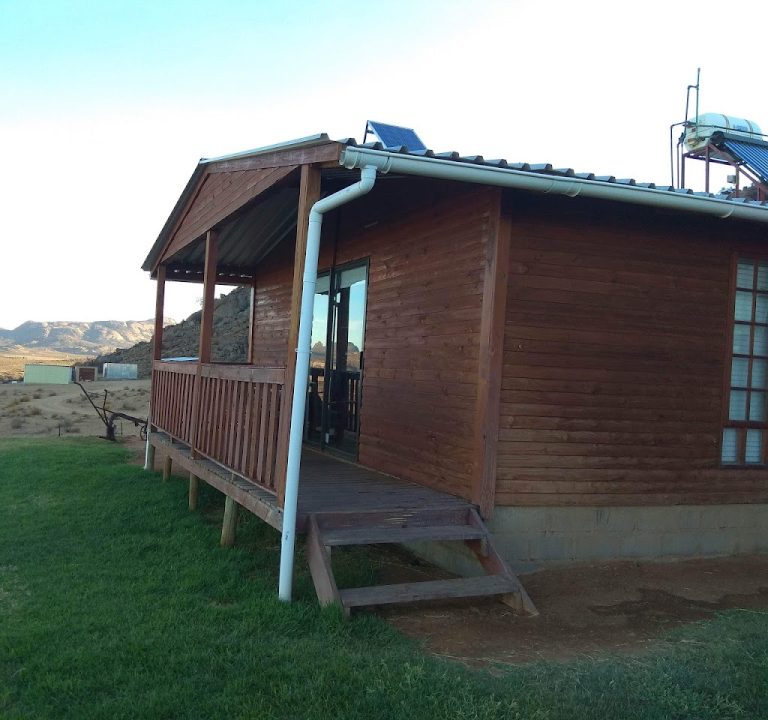
Springbok sits in the heart of Namaqualand, a gateway to starkly beautiful landscapes, wide skies and a sense of quiet desert pace. Whether you choose a lodge, guesthouse or self‑catering unit, the town offers a convenient base for exploring the surrounding nature reserves, rugged coastlines and the standout seasonal bloom of the region. For a memorable stay, consider a property that combines comfortable rooms with easy access to key routes and nearby sights. One example lodging option in the area is Liefland Luxury Units, a lodge style retreat that blends country comfort with thoughtful amenities.
Areas to consider when planning your stay. Springbok itself provides the practical hub for most travellers, with shops, fuel stations and services within easy reach. If you prefer a quieter atmosphere, look a little beyond the town centre to lodges and guesthouses perched on the slopes or alongside open desert plains, where starry nights and sunrise colours are most pronounced. When booking, map your days around both the town conveniences and the access routes to nature reserves such as the surrounding desert landscapes and the coast a short drive away. The best choice often hinges on whether you want commute-friendly convenience or more immersive, remote-style accommodation.
What to look for when booking. Prioritise clear practical details: secure parking or easy drop‑offs if you plan early morning excursions; reliable wi‑fi if you need to work or stay connected; and clear information about breakfast options if you’ll be heading out before sunrise. If you’re visiting during flower season, a guesthouse or lodge with generous communal spaces and a flexible breakfast window can make a big difference. For those focusing on nature, select properties that offer guidance on local trails, safaris or short drives to scenic spots. Consider whether you’d like a hosted experience with local recommendations, or a self-catering option for independent days out.
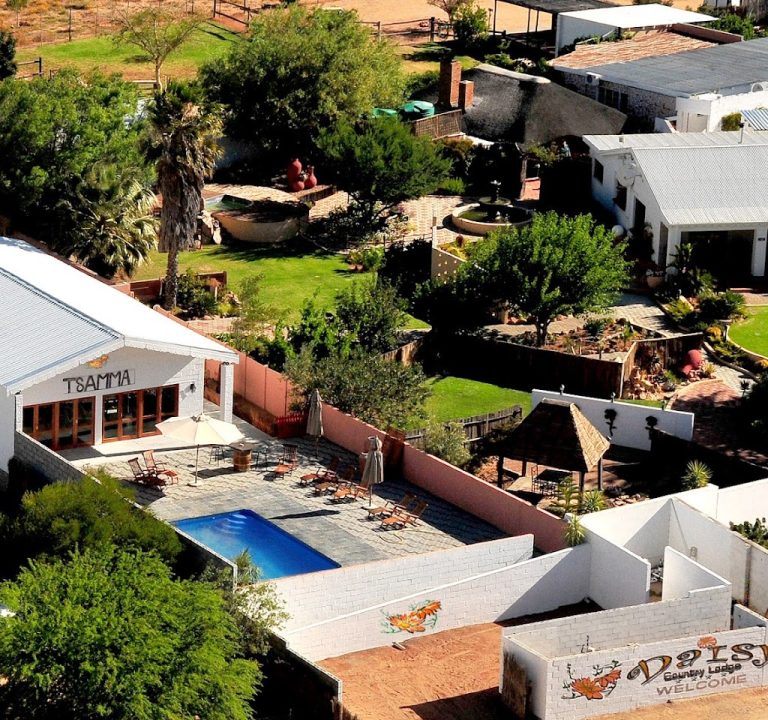
Typical amenities you may encounter. Expect a mix of ensuite rooms, furnished lounges, and outdoor seating where you can enjoy clear night skies. Many Springbok properties provide air‑conditioning or fans for the hot summer days and efficient heating for cooler nights. On‑site parking is common, along with laundry facilities for longer stays. Several lodges and guesthouses offer limited-dlight meals or dinner arrangements, while others provide self‑catering kitchens or kitchenettes for guests who prefer to prepare their own meals. If you’re chasing comfort after long drives, look for well‑insulated rooms, dependable water supply, and a friendly, knowledgeable host who can tailor recommendations to your plans.
Transport and getting around. Springbok is best explored by car, giving you freedom to visit reserves and viewpoints at your own pace. Roads into surrounding areas can be remote, so ensure your vehicle is suitable for occasional gravel stretches and that you have a map or GPS handy. If you arrive by air, the nearest regional options are typically in larger towns or cities nearby, with road transfers or car hire available from major airports. Within town, walking is feasible for short hops to cafés and shops, but a car remains the simplest way to access nature reserves and the coast for day trips.
Best time to visit. Namaqualand’s climate is characterised by hot summers and cooler winters. For wildflower spectacles and dramatic desert colours, late winter through spring (roughly August to October) is particularly special, as rains trigger vibrant blooms across plains and hills. Summer brings clear, hot days ideal for stargazing and outdoor adventures, while winter can be cooler and drier, with serene desert evenings. Always check local weather and seasonal notes before planning long drives, especially if you’re aiming to catch specific natural phenomena.
Practical tips for travellers. Bring layers—temperatures can vary dramatically between day and night. Pack sunscreen, a hat and sturdy footwear for nature walks and easy trails. If you’re renting a vehicle, ensure you have adequate fuel and a trusted map for remote stretches; mobile signal can be variable in some areas, so plan ahead. Book accommodation with flexible policies during peak flower season, as demand can be high and travel plans may shift with weather. Check whether your lodging has secure parking, reliable water supply and contingency provisions for power fluctuations, which can occur in remote regions. For dietary needs, contact hosts in advance to discuss meal options or kitchen access. And finally, take time to enjoy the obvious pleasures—stargazing after sunset, quiet terraces with desert views, and the generous hospitality that characterises Northern Cape stays.
Nearby attractions and experiences are typically framed around landscapes and wildlife. Expect easy access to reserves, lookout points with sweeping views, and opportunities to learn about Nama culture and history through guided walks or local storytelling. When it comes to dining, you’ll find venues that emphasise fresh, regional ingredients and uncomplicated menus; many places prioritise a relaxed, friendly atmosphere over formal fine dining. For planning inspiration and practical details, consult national and provincial tourism resources, which provide maps, suggested routes and seasonal notes to help you tailor a stay to your interests.
- Choose accommodation close to the centre for convenience or on the town’s outskirts for a more peaceful stay.
- Look for flexible dining options—self‑catering can be useful for long stays or early starts.
- Verify parking availability and access to essential services for easy daily logistics.
- Plan day trips to nature reserves and coastal viewpoints with realistic driving times.
- Consider the flower season if you’re drawn to Namaqualand’s famed blooms.
Useful online resources for planning include national and regional tourism sites, which offer practical tips, maps and seasonal guidance. For a broader sense of Northern Cape hospitality and Springbok’s place within it, you can explore South Africa’s official travel pages and local tourism information online.