Accommodation and attractions in Springbok, Northern Cape: planning a relaxed stay
Springbok sits in the Northern Cape as a convenient base for exploring Namaqualand, the sparse beauty of the Karoo, and the wide, skies that define this part of South Africa. When planning a stay, consider both the town itself and the surrounding countryside such as nearby guesthouses, farms and lodges that offer a tranquil counterpoint to the more bustling city pace. The key to a fulfilling visit is balancing comfortable accommodation with access to the landscape you came to experience, whether that means dramatic desert scenery, rugged veld, or wildlife viewing in protected areas.
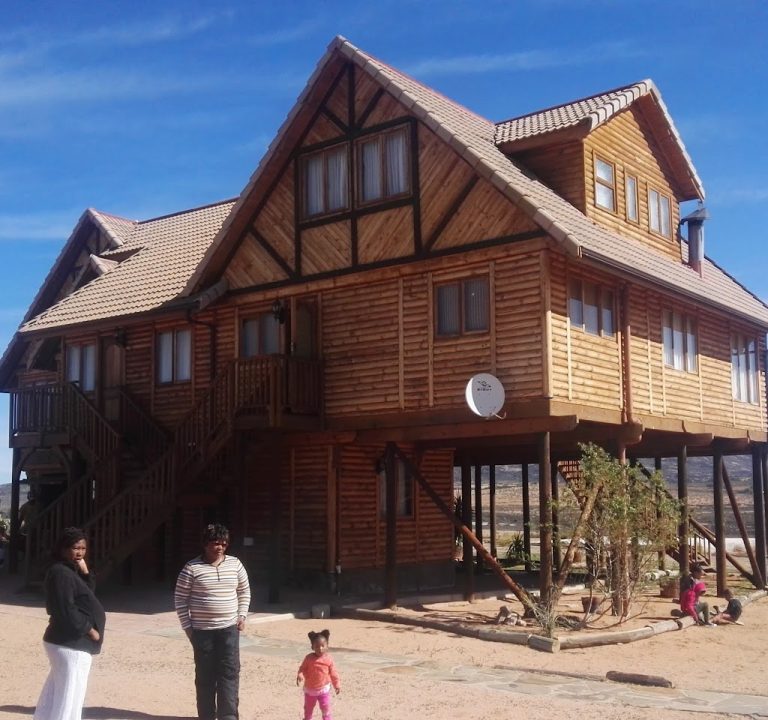
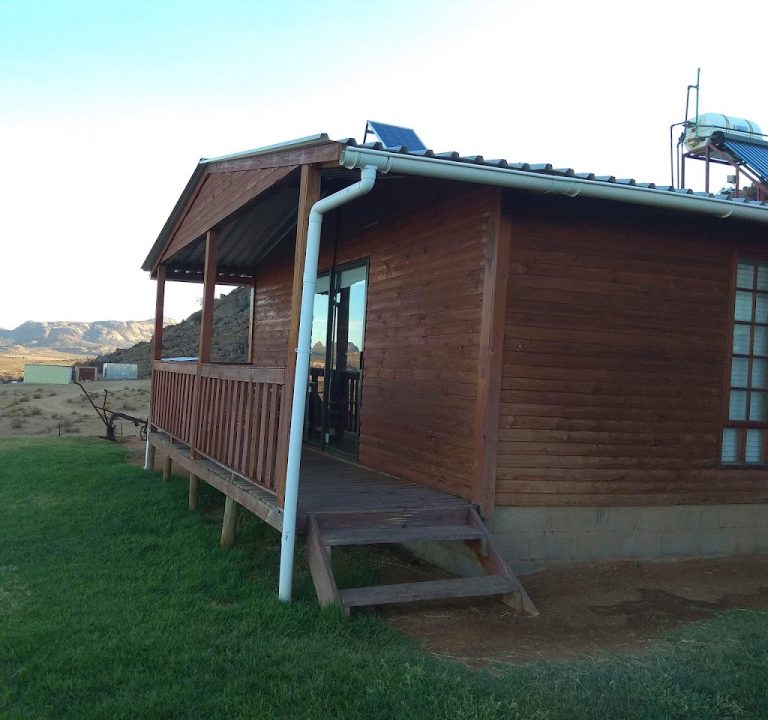
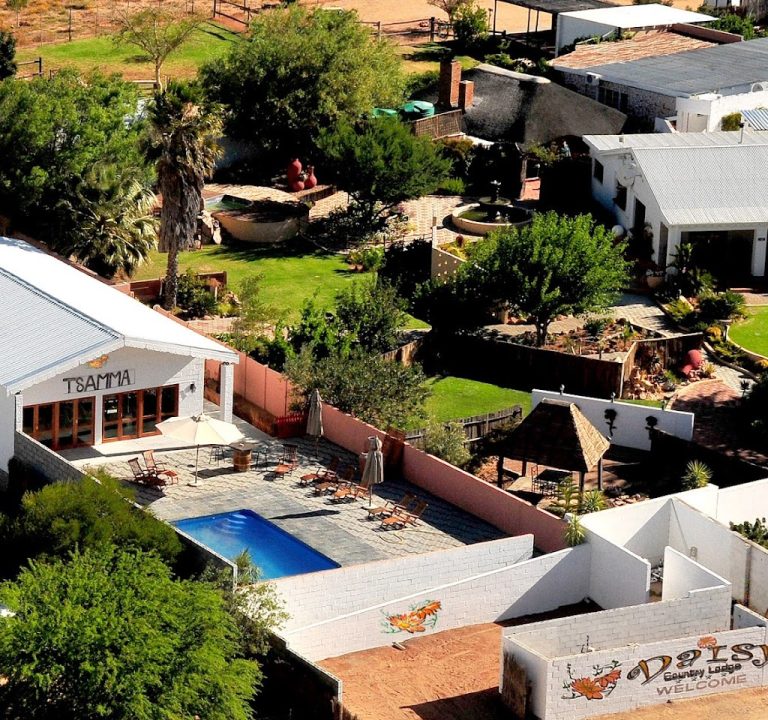
Accommodation options in and around Springbok range from charming guesthouses to small lodges and rural retreats. Guest houses and BnBs often provide a warmer, more personalised stay, with hosts who can offer inside knowledge on local routes, best times for photos, and quiet places to unwind after a day of exploring. Look for en-suite rooms, reliable hot water, ample storage for dry outdoor gear, and friendly atmosphere. If you’re travelling with a vehicle, confirm secure off-street parking or a shaded spot to park, as some properties lie on quiet rural lanes. Where meals are provided, check whether breakfast is continental, full English-style, or if the host also offers evening meals using seasonal local produce. If self-catering is important, select properties with a well-equipped kitchenette or a communal kitchen.
For many visitors, proximity to Springbok’s town centre is valuable for easy access to markets, cafés and bakeries, while others prefer the seclusion of a rural setting with expansive views. Think about your daily itinerary: if you plan to rise early for photography or nature walks, a nearby walkable location or a short drive to trailheads can cut time spent on the road. If you’re keen to explore beyond Springbok, consider staying at a guest house or lodge on a working farm or in a small countryside hamlet. These settings often come with thoughtful extras such as outdoor seating, braai facilities, or guided excursions hosted by the property hosts or nearby operators.
Transport within the region is typically by car, so a rental or personal vehicle is advantageous. The N7 highway and regional roads connect Springbok with Upington and other towns, but road conditions and distances can be substantial by day. When you book, confirm parking availability, whether you’ll need a map or GPS provided by the host, and if any transfers or local tours can be arranged on site. For those who prefer not to drive, some accommodations may organise supervised day trips or offer recommendations for trusted tour operators. Remember to plan for fuel stops and water during long drives in the arid interior, and to carry a basic emergency kit for your vehicle.
Best time to visit Springbok and the surrounding Namaqualand region depends on your interests. Late winter to spring (roughly August to October) is renowned for blossoming wildflowers in koppies and plains when rainfall patterns wake the landscape to colour. Summer can bring hot days with cooler evenings, while winter nights are clear and stargazing is particularly rewarding. If your focus is wildlife or birdwatching, check seasonal activity windows for local reserves and seasonal closures. For photographers, the golden hours late in the day offer dramatic light over rugged horizons, regardless of the season.
Typical amenities you can expect from a well-run guest house or lodge in the area include comfortable bedding, private bathrooms, and a shared or private lounge where you can relax after a day’s excursion. Many properties offer Wi‑Fi, practical workspaces for travellers, and laundry facilities on request. Outdoor spaces are highly valued, so look for verandas or patios with seating, and, if you enjoy barbecue cooking, a braai area. Some properties provide guided walks or stargazing sessions, while others partner with local operators to arrange desert drives, boat trips on reservoirs, or visits to nearby historical farms. If you have special dietary needs, it’s worth informing your host in advance so they can accommodate where possible.
When it comes to dining out, Springbok offers a small but sturdy selection of eateries catering to travellers. In general terms, you’ll find casual cafés offering light meals, bakeries with freshly baked goods, and restaurants that specialise in regional dishes inspired by South Africa’s diverse culinary heritage. Prices are typically reasonable for the area, with menus rotating seasonally to reflect fresh produce. If you want to dine out during your stay, ask your host for recommendations on places within a short drive and the best times to visit to avoid peak crowding. Always check opening hours in advance, as some venues operate on limited schedules outside peak travel seasons.
Practical tips for a smooth stay in Springbok:
- Inspect the accommodation’s cancellation policy and payment terms before booking, especially if your plans may shift with weather or seasonal conditions.
- Pack layers for temperature swings between day and night; sun protection is essential during daytime exploration.
- Bring a reusable water bottle and a small first-aid kit for day trips in remote areas.
- Gas stations and essentials are available in Springbok; longer drives require planning for fuel, water, and a spare tyre.
- Respect local guidelines around protected areas and wildlife; stay on designated paths and observe quiet boundaries in natural settings.
For planning and inspiration, you can consult regional tourism pages or the websites of individual guest houses and lodges. They often provide practical travel information, suggested itineraries, and links to local experiences. A stay here can be a doorway to the broader Northern Cape, with day trips and scenic drives that reveal the stark beauty and wide horizons of this remarkable corner of South Africa. If you’re considering a visit centred on comfort, landscape, and uncluttered pace, Springbok and its environs offer a succinct introduction to Namaqualand’s spirit and Southern African hospitality. More resources can be found at official tourism portals and credible travel guides that cover accommodation, transport options, and seasonal activity calendars.