Where to stay and what to do in Lephalale, Limpopo
Lephalale, set against the backdrop of the Waterberg region in Limpopo, offers a mix of comfortable guesthouses, lodge-style stays, and self-catering options that suit families, couples and travellers seeking a laid-back base from which to explore the area. Whether you favour quiet, country-style interiors or more contemporary rooms with modern conveniences, you’ll find choices that balance value with a welcoming South African hospitality. One example in the town is the Lems Guest House, a practical option for travellers looking for a friendly, no-fuss stay close to local amenities.
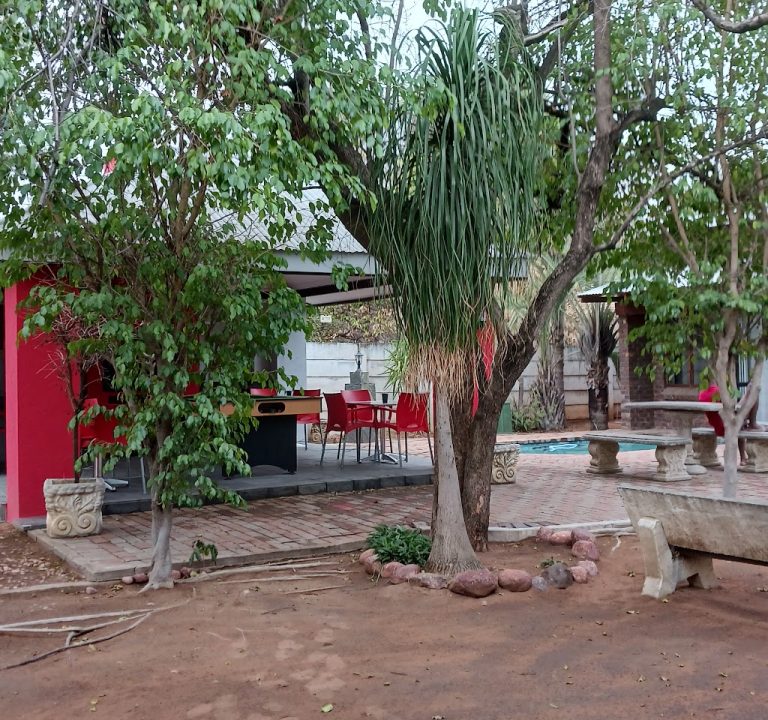
When planning a stay in Lephalale, start by deciding which area best suits your activities. If you’re here to explore the surrounding nature and wildlife, look for accommodation near reserve gates or in neighbourhoods that offer easy access to nature trails and scenic viewpoints. If you’re visiting for business at nearby energy projects or industrial sites, a central location with straightforward transport links can save time in your itinerary. For families, a place with a garden, BBQ facilities or a pool can add to the relaxation after a day of excursions.
Typical amenities to look for include secure parking, reliable Wi-Fi, in-room amenities such as a seating area or kitchenette, and flexible dining options. Self-catering facilities can be a real plus, especially if you plan to explore the region’s rural vibe and cook a relaxed breakfast before a day out. A reliable power supply is important given the country’s occasional load shedding; some guesthouses and lodges provide generators or uninterrupted power during outages, which can be a welcome comfort during peak seasons.
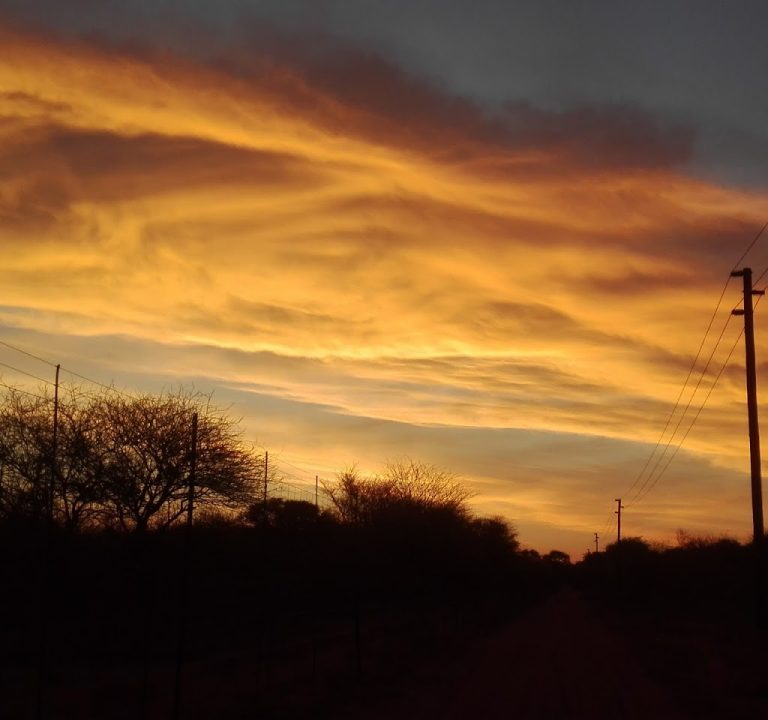
Transport arrangements matter. If you’re driving, confirm that your chosen stay offers ample parking and easy street access. For those relying on local taxis or ride-hailing services, check whether reception staff can assist with arranging transfers or guided day trips. Lephalale itself is a gateway to outdoor adventures, so many travellers opt to hire a vehicle to maximise flexibility for morning safaris, sunset drives or scenic drives through the Waterberg corridor.
The best time to visit Lephalale depends on your interests. The dry winter months (roughly May to September) can be ideal for wildlife viewing and outdoor activities, as animals are more likely to be visible and the weather is cooler for long drives and walks. The warmer, wetter summer season offers lush landscapes and birdlife, but afternoons may bring rain showers. Consider the practicalities of your travel dates, particularly if you plan to visit game reserves or outdoor attractions during shoulder periods when facilities can have reduced hours.
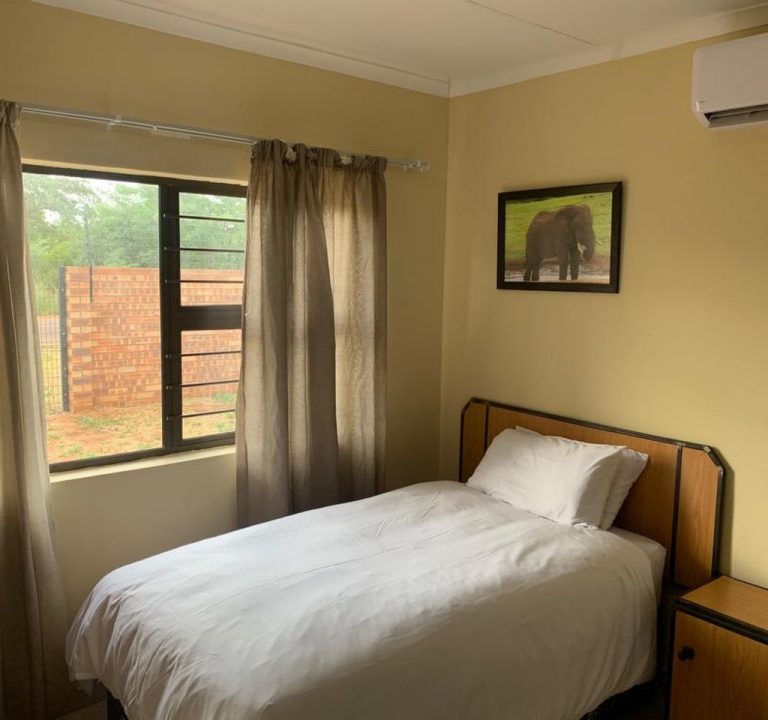
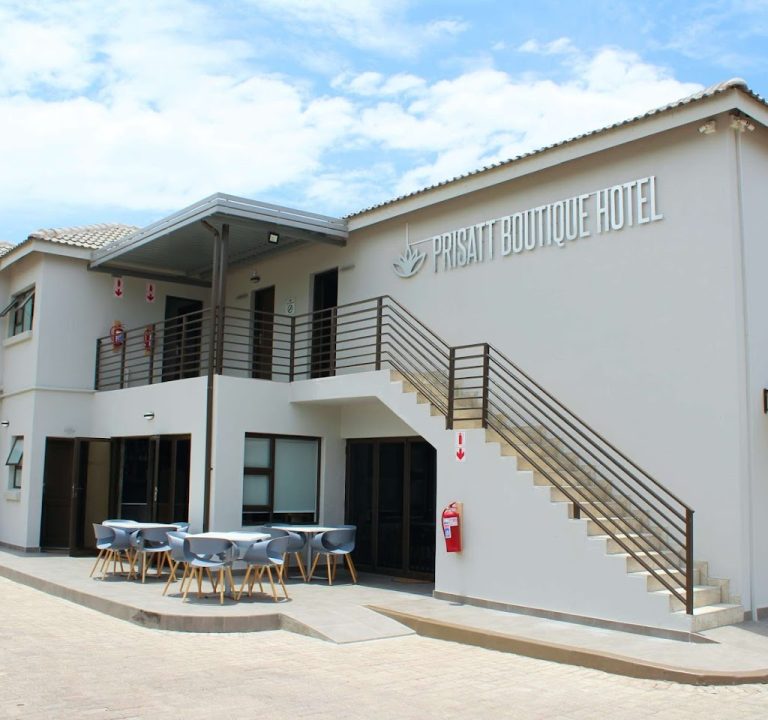
Accommodations in Lephalale tend to offer a range of experiences, from intimate guest rooms to larger guesthouses and lodges. In a guesthouse setting, expect a focus on personalised service, guest-friendly spaces for socialising, and opportunities to exchange tips with hosts about local dining and activities. Some properties can arrange guided outings, such as day trips to nearby nature reserves or cultural experiences, which can enhance a stay without the hassle of planning every detail yourself.
What to do during your stay varies from natural explorations to curious cultural encounters. In general terms, visitors can enjoy outdoor adventures such as self-guided nature walks, photography-friendly viewpoints, and birdwatching in the surrounding landscapes. Reserve-friendly activities often include guided drives or walks that highlight the region’s flora and fauna. For those who enjoy culture and history, speaking with hosts or local residents can illuminate the area’s heritage and traditional ways of life. Dining options nearby frequently range from casual eateries to local favourites serving hearty, homestyle meals; reservations are a good idea during peak periods.
Practical tips for travellers planning a stay in Lephalale:
- When booking, check the distance to the town centre, nature reserves, and any planned excursions to minimise daily travel time.
- Ask about room configurations, whether self-catering facilities are available, and if the property has contingency plans for load shedding, such as generators or battery back-up.
- Consider features that improve comfort on longer stays, such as a private outdoor space, a fridge or microwave, and a shaded outdoor area for al fresco meals.
- Confirm transport arrangements in advance if you don’t plan to hire a car. Some guesthouses can assist with airport transfers or day trips.
- Pack layers for variable weather and practical footwear for outdoor exploration, especially if you intend to hike or walk in reserve areas.
- Respect local wildlife and natural areas by following hosts’ guidance and staying on designated paths during excursions.
- Check any visa or health advisories ahead of travel, and consider travel insurance that covers trip adjustments or unforeseen delays.
- For a balanced itinerary, mix nature-based activities with relaxed downtime at your accommodation, ensuring you return to a comfortable base after a day of exploration.
Overall, Lephalale offers a friendly, approachable base from which to discover Limpopo’s Waterberg region. By choosing accommodation with thoughtful amenities, planning transport in advance, and selecting activities aligned with your interests, you can craft a memorable stay that highlights the area’s natural beauty and warm hospitality. For those seeking a convenient, welcoming option, Lems Guest House embodies a straightforward, guest-focused approach to hospitality in Lephalale, helping you settle in quickly and start your adventures with ease. Website links to properties and local experiences can provide up-to-date information on availability, special offers, and current activity options to tailor your visit.