Accommodation and Visitor Guide for Lephalale, Limpopo
Lephalale sits in the Waterberg region of Limpopo, offering a respectful mix of wide-open landscapes, wildlife-tinged vistas and contemporary lodging options. Whether you are travelling for a short break or a longer, slower-paced stay, the town and its surroundings provide several Lodge and guesthouse style options that suit everything from family holidays to quiet solo getaways. Planning a stay here means balancing comfortable creature comforts with access to nature and local culture.
When to visit and what to expect climate-wise
Lephalale enjoys clear winter days and warm, wet summers. The dry season (roughly May to September) is popular for wildlife viewing and outdoor activities, as the bush is clearer and animals tend to congregate around water sources. The summer months bring afternoon rains and lush scenery, which can be perfect for nature lovers and photographer itineraries. Pack light layers for evenings, a good hat for daytime sun, and sturdy footwear for walks and trails. The area also serves as a peaceful base for exploring nearby game reserves and conservation areas.
Areas to consider for your stay
- Central Lephalale: Convenient for access to shops, dining and the town’s services, with several guesthouses and lodges offering personalised attention.
- Outlying lodges and eco-lodges: Often placed closer to wildlife vantage points and broader natural landscapes, these properties emphasise a connection with the surrounding environment.
- Waterfront and dam-adjacent settings: If the water draws you for birdwatching, sunset viewing or tranquil mornings, consider lodges or guesthouses with dam views.
Choosing a base depends on your priorities: quick access to town conveniences, proximity to nature trails, or a quieter, more secluded retreat.
What to look for when booking
- Room configuration and privacy: If travelling with family or a group, look for family rooms or suites with separate living spaces. Some properties offer interleading rooms or self-contained units.
- Clear statement of inclusions: Confirm whether meals are included, and if so, whether menus are flexible or set. Check for availability of early breakfast for early activity days.
- Amenities and services: A reliable generator or power arrangements can be important in regions with load shedding. Consider whether the lodge offers Wi-Fi, secure parking, a pool, guided activities, or on-site spa services.
- Access and transport: If you are self-driving, verify parking arrangements and whether the property provides easy road access. If you’re relying on arranged transfers or tours, confirm access to reputable local operators.
- Sustainability credentials: For many travellers, a lodging’s engagement with conservation, water use, waste management and supporting local communities is meaningful. Ask about these practices if they matter to you.
- Reviews and consistency: Look for recent guest feedback about cleanliness, staff warmth and the accuracy of descriptions versus reality.
Typical amenities you may encounter
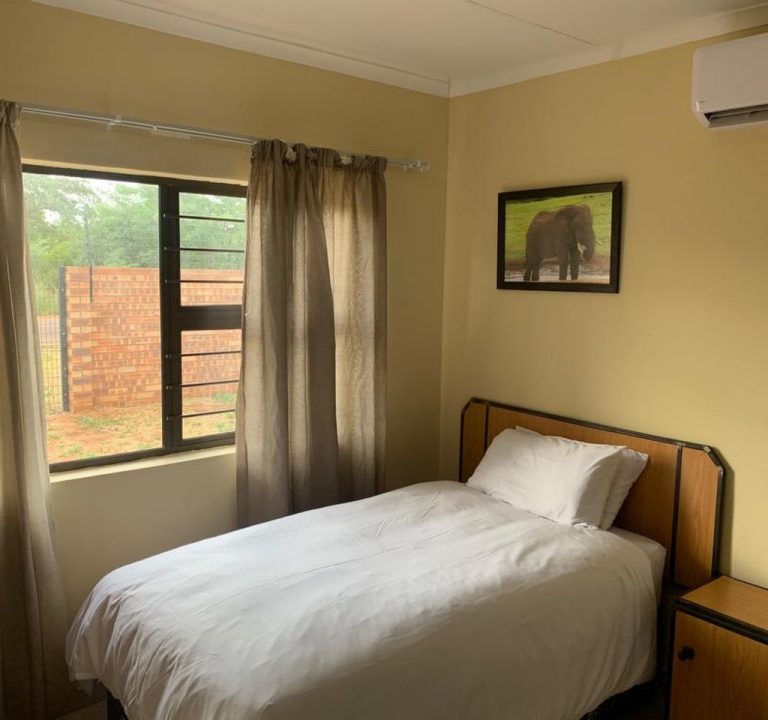
- Comfortable en-suite rooms with fans or air conditioning and in-room tea- and coffee-making facilities.
- Private verandahs or outdoor seating to enjoy sunsets and quiet evenings.
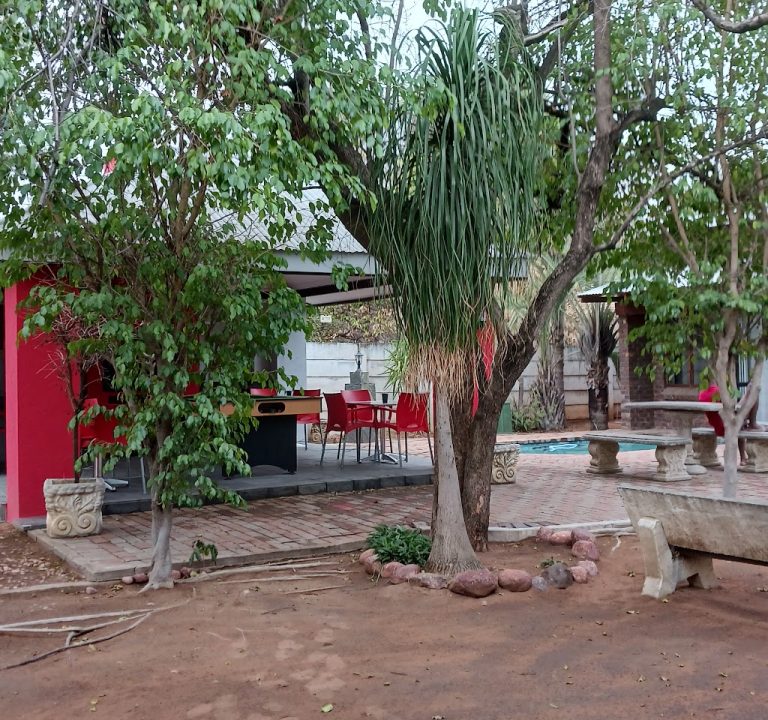
- A pool or outdoor relaxation area, often with shaded seating.
- On-site dining options or easy access to nearby eateries, with some properties offering set menus or a la carte choices.
- Guided outings, game drives, or nature walks arranged through the lodge or guesthouse.
- Curated experiences such as cultural visits, photography walks, or stargazing sessions.
Getting around and transport tips
- Self-drive is common and convenient for exploring the wider Waterberg area. A reliable vehicle with good clearance helps when venturing to more remote lodges or nature tracks.
- If you prefer not to drive, many lodges offer transfer arrangements or can connect you with local tour operators for game drives, cultural visits or day trips to nearby points of interest.
- Plan your days with a flexible schedule to maximise wildlife viewing or scenic viewpoints, particularly at sunrise and sunset.
Best time to plan a stay
- For wildlife and open landscape photography, aim for the dry season when wildlife concentrations are easier to spot and bush visibility is better.
- For quieter periods, shoulder seasons can provide more personalised attention from smaller lodging establishments and a slower pace.
Practical tips for visitors
- Check internet and mobile reception at your chosen lodge or guesthouse, especially if you plan to work remotely during part of your stay.
- Pack insect repellent and sun protection, particularly for outdoor excursions and late-afternoon game drives.
- Confirm meal times and any dietary requirements ahead of arrival to ensure smooth service during your stay.
- Respect local customs and wildlife: observe any guidelines provided by your hosts or tour leaders, and keep a respectful distance from animals and sensitive habitats.
- Consider combining your stay with a day trip to cultural or natural attractions in the wider Limpopo region to gain a fuller sense of the area.
An outline of lodging experiences in Lephalale
Lephalale offers a spectrum of accommodation in the lodge and guesthouse category, with properties designed to harmonise comfort and the surrounding landscape. A lodge experience often emphasises personalised service, guided activities and a connection to nature, while guesthouses can provide straightforward convenience with a warm, homely touch. One lodge in the region, Tselisoa Lephalale Guest House, reflects the type of space travellers are drawn to: intimate, comfortable, and well-positioned for exploring the local area (the property’s specific details and services would be listed on its site or via direct enquiry).
Practical planning, combined with a sense of curiosity about the landscape and its people, will help you make the most of a stay in Lephalale. Whether you choose to unwind by a dam, embark on a photography walk at dawn, or simply enjoy a quiet meal after a day of exploration, Lephalale offers approachable lodging and a gateway to the region’s natural and cultural appeal. For more information and current availability, visit the websites of individual lodges or guesthouses in the area.