Accommodating Cape Town: where to stay and how to plan your visit
Cape Town blends dramatic scenery, a cosmopolitan dining scene and a wealth of outdoor adventures into a compact, walkable city. When planning where to stay, think about access to the places you most want to explore, whether that means the coast, the city’s historic neighbourhoods, or the wine routes just beyond the city bowl. The right lodging can set the tone for your whole trip, from a cosy lodge tucked into leafy suburbs to a stylish guesthouse with sea views or a modern apartment close to the V&A Waterfront.
Areas to consider include the Atlantic Seaboard, the central City Bowl, the foothills of Signal Hill, the Constantia Valley, and the Southern Suburbs. The Atlantic Seaboard offers impressive beaches, sunset views and a lively dining scene, with easy access to Camps Bay, Clifton and Table Mountain’s lower trails. The City Bowl puts you within walking distance of markets, museums, and a thriving café culture, with quick routes up to the slopes of Lion’s Head or Table Mountain. Constantia appeals to visitors seeking a quieter base amid vineyards and green spaces, while the Southern Suburbs provide residential atmospheres and easy routes to Kirstenbosch and the Constantia wine route.
When choosing accommodation, consider these common factors:
- Transport and access: Look for proximity to MyCiTi bus stops, major routes or convenient rideshare options. If you plan to explore widely, a base with parking or easy access to public transport will save time.
- Amenities and atmosphere: Decide whether you want a boutique guesthouse with personalised service, a lodge with on-site dining and a pool, or a self-catering apartment for more independence. Check whether breakfast is included, and whether the property offers facilities such as free WiFi, secure parking, or laundry services.
- Soundscape and light: In busy areas, consider rooms with good sound insulation or higher floors to minimise street noise. A bright, well-lit room can make a big difference for longer stays.
- Safety and security: Prioritise properties with strong access control and clear information about neighbourhood safety. A well-lit, well-maintained exterior and positive guest reviews are helpful indicators.
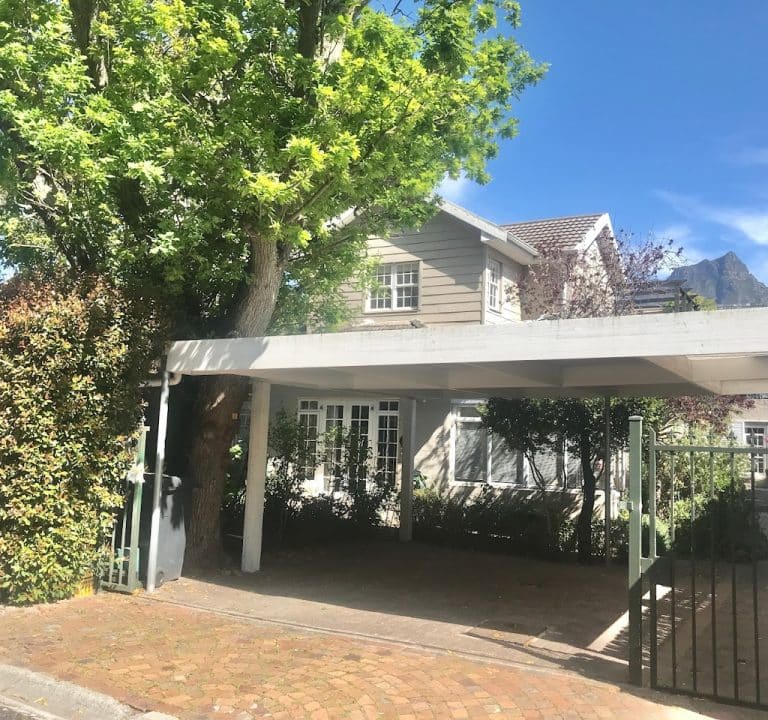
Accommodation options relevant to travellers include traditional lodges, guesthouses, boutique hotels and modern apartments. A lodge such as Lemon Lodge can offer a relaxed, personalised stay with a focus on comfort and hospitality. For many visitors, a lodge in a convenient neighbourhood provides both privacy and a sense of local character, often with knowledge of nearby eateries and experiences that aren’t listed in guidebooks.
Typical amenities to expect include a comfortable bed, quality linen, complimentary tea and coffee, and en-suite bathrooms. Breakfast offerings vary—from a continental spread to a full cooked option—so check what suits your routine. Laundry services, on-site parking, and a small kitchen or kitchenette can be real time savers on longer trips. Some properties boast pools, sun terraces, or views of the sea or Table Mountain, which can elevate a stay during the warm Cape summers and shoulder seasons.
Planning your days around Cape Town’s attractions requires a flexible mindset. Iconic natural sights such as Table Mountain and the Cape Peninsula landscapes are best visited in cooler morning hours, with a late afternoon return for sunset colours. Robben Island is a poignant day trip that benefits from a pre-booked tour slot, while Kirstenbosch National Botanical Garden rewards you with shaded paths and panoramic views at the eastern slopes of Table Mountain. On the coastline, you can enjoy beaches and coastal walks, with safer swimming options typically found at Accredited Blue Flag beaches during the summer months. For a broader experience, you’ll find wine-tasting and food experiences in the Constantia and Stellenbosch regions, reachable by a scenic drive or organised tour.
Dining in Cape Town ranges from casual markets to fine dining venues and casual bistros with harbour views. Expect menus that celebrate fresh seafood, South African meats and a variety of global flavours. The city’s culinary scene often complements its natural beauty, so many visitors combine a relaxed dinner with a sunset walk along the promenade or a night-time viewpoint of the harbour lights. When researching restaurants, check for opening hours, whether reservations are recommended, and if a property’s guest lounge or dining area can arrange after-dinner recommendations for local experiences.
Best time to visit tends to be in the austral winter months for quieter trails and lower rates, or the spring and autumn shoulder seasons for milder weather and manageable crowds. Peak summer offers longer daylight, slightly busier streets and higher temperatures, especially along the coast. Light layers are wise year-round, as sea breezes can feel cooler on the water and in mountainous areas, particularly in the evenings.
Practical tips to help you get the most from your stay:
- Book in advance for popular periods and coastal properties, especially around school holidays and long weekends.
- Read guest reviews with a critical eye for location, noise, and security considerations.
- Plan day trips with return times that allow for a relaxed dinner or sunset view.
- Keep a flexible itinerary to accommodate weather shifts, particularly when planning outdoor activities on Table Mountain or along the Peninsula.
- Pack sunscreen, a hat, comfortable walking shoes, and a light waterproof layer for occasional showers.
For inspiration and planning tips, you can explore official tourism sources and travel guides that highlight areas, transport options and suggested routes. Cape Town’s blend of landscape, culture and cuisine makes it a destination to savour at a relaxed pace, with your choice of accommodation becoming a welcoming base for your adventures. To learn more about possible bases and experiences, visit credible local tourism pages or hotel and lodge websites that provide practical details and booking options.