Accommodation and Things to Do in Cape Town: A Traveller’s Guide to Planning Your Stay
Cape Town, in the Western Cape, offers a rich mix of scenery, culture and hospitality that suits a wide range of travellers. Whether you prefer a self-catering retreat with a home-from-home feel, a boutique guesthouse tucked into a steep hillside, or a contemporary apartment near the waterfront, there are plenty of options to suit different budgets and trip lengths. When planning a stay, consider both where you’ll want to base yourself and what you’d like to be close to, from beaches and mountains to cafés and markets.
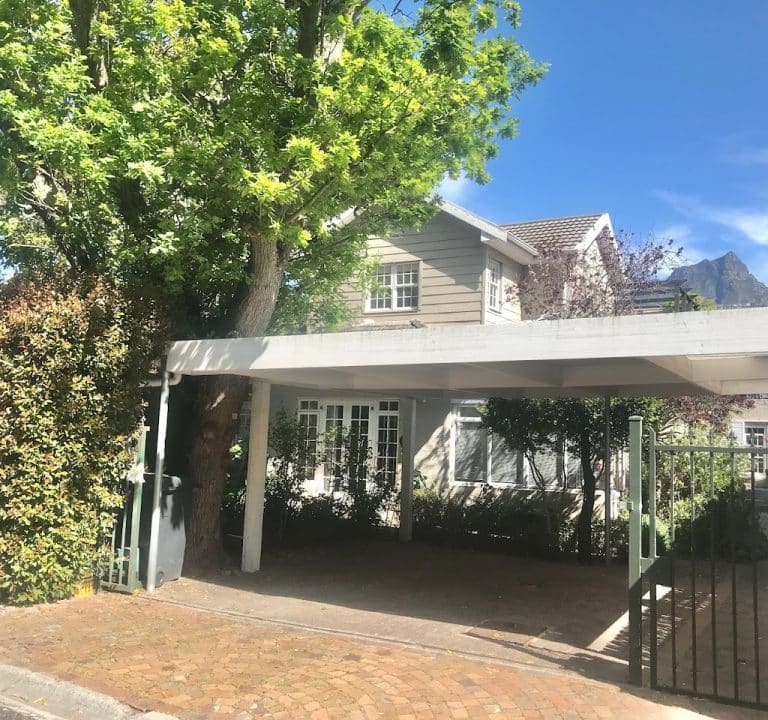
Self-catering options like Bien-Etre B&B can be a convenient choice for travellers who value flexibility. Look for well-equipped kitchens, comfortable living spaces, and easy access to transport routes. A well-maintained property with clear house rules, handy storage for outdoor gear, and reliable wi‑fi can make a big difference when you’re juggling day trips and evenings in the city. If you’re new to self-catering, seek hosts who provide a concise welcome folder with simple tips on getting around, where to buy provisions, and nearby dining options.
Areas to consider when choosing where to stay:
- City Centre and the historic Bo-Kaap for easy access to museums, galleries and vibrant markets.
- Stellenbosch and Constantia for a wine-country feel, often with larger properties and scenic views.
- Sea-facing neighbourhoods such as Camps Bay or Clifton for beach access and sunsets.
- Green-point and the V&A Waterfront for a lively mix of dining, shopping and easy harbour excursions.
- Table Mountain foothills and the Southern Suburbs for outdoor trails, quiet streets and generous cupboards for gear.
What to look for when booking a place to stay:
- Proximity to your planned activities and public transport options, including bus routes and ride-hailing access.
- Clear information about check-in procedures, security, and on-site parking if you’ll be driving.
- Properly equipped kitchens, good heating or cooling, reliable wi‑fi, and practical storage for luggage and hiking gear.
- Guest reviews with emphasis on cleanliness, responsiveness of hosts, and any noise considerations (for example, street traffic or proximity to nightlife).
- Safety features such as secure doors, a well-lit entrance, and accessible emergency information.
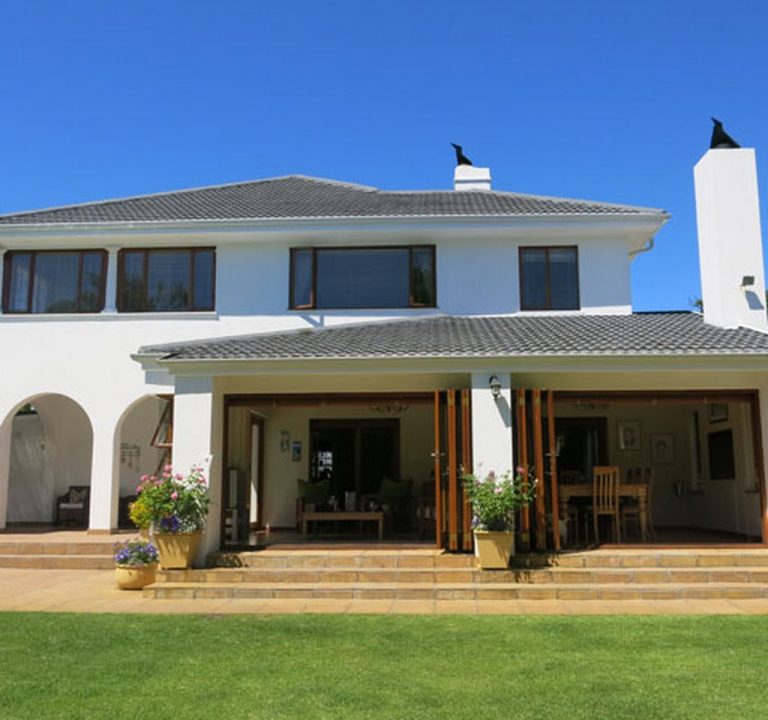
Typical amenities you might encounter in Cape Town accommodation include well-equipped kitchens, comfortable lounges, clean en-suite bathrooms, and outdoor spaces such as balconies or courtyards with sea or mountain views. Some properties offer laundry facilities, parking on site, or access to shared facilities like a pool or barbecue area. If you’re planning to cook most meals, a well-stocked kitchen with a few staples helps you settle in quickly after your flight or long day of sightseeing.
Transport in Cape Town is varied but workable for most visitors. The city’s MyCiTi bus network is a convenient way to travel between major areas, including the City Bowl, the Waterfront, and northern suburbs. Taxis and ride-hailing services are widely available, and many travellers choose a central base to minimise daily driving. If you’re hiring a car, check whether your accommodation offers parking or has easy access to safe, well-lit streets. For day trips—such as sailing from the V&A harbour, visiting the Cape Winelands, or hiking at Table Mountain—having a flexible plan and sensible travel times helps avoid peak traffic and crowded routes.
Best time to visit Cape Town depends on your preferences. The summer months (roughly November to February) tend to be warm and dry, ideal for beaches and outdoor activities. Autumn (March to May) can offer pleasant temperatures and fewer crowds, with good conditions for hiking and scenic drives. Winter (June to August) brings cooler weather and occasional rain—perfect for indoor experiences, world-class dining, and museum visits. Spring (September to October) is a great balance of mild weather and blooming landscapes. Pack layers, comfortable walking shoes, sun protection, and a compact rain jacket to be prepared for sudden changes in weather, especially on the coast and up on the mountain ridges.
Attractions and experiences in general terms include iconic natural landscapes, historic neighbourhoods, and a thriving culinary scene. Nature lovers can enjoy panoramic viewpoints, coastal walks, and nature reserves, while culture enthusiasts may explore museums, galleries, and markets that celebrate Cape Malay flavours and maritime heritage. For meals, Cape Town offers a broad range of dining options—from casual eateries to refined restaurants—where you can sample fresh seafood, farm-to-table dishes, and vibrant fusion menus. If you’re organising meals out, look for places that use local ingredients, and reserve ahead at popular spots during peak seasons.
Practical tips to help you plan a smoother stay:
- Book accommodation with flexible cancellation terms where possible, especially if travel plans are not fixed.
- Confirm what’s included in your stay (linens, towels, cleaning services) so you don’t double up on purchases.
- Check the nearest supermarkets, medical facilities, and pharmacy options in your area for easy access during your trip.
- Learn a few courteous phrases in Afrikaans or isiXhosa if you’re visiting far from central districts; locals appreciate effort and courtesy.
- Plan day trips with lighter logistics on days you’ll be in peak heat or higher altitudes, like the Table Mountain area or coastal walks.
Cape Town’s accommodation scene is diverse, welcoming and well suited to independent travellers, couples, families, and groups. With careful area selection, sensible booking research, and a flexible itinerary, you can enjoy a memorable stay that balances relaxation with the best of the city’s natural beauty, culture, and hospitality. For further inspiration on places to explore and plan your visit, consider checking official tourism resources and reputable travel guides. More information can be found at official tourism sites and travel portals dedicated to Cape Town and the Western Cape.