Phalaborwa: a gateway to Kruger’s wonders with comfortable stays and practical planning
Phalaborwa, in Limpopo, sits close to the northern reaches of the Kruger National Park and offers a convenient base for visitors seeking wildlife encounters, relaxed lodge stays, and easy access to nature reserves. The town blends South Africa’s warm hospitality with a rugged landscape of mopane bushveld, making it ideal for travellers who want a restful retreat after days spent exploring nearby game reserves and dramatic landscapes. When planning a stay, consider both the town’s lodging options and the surrounding areas that suit your pace and budget.
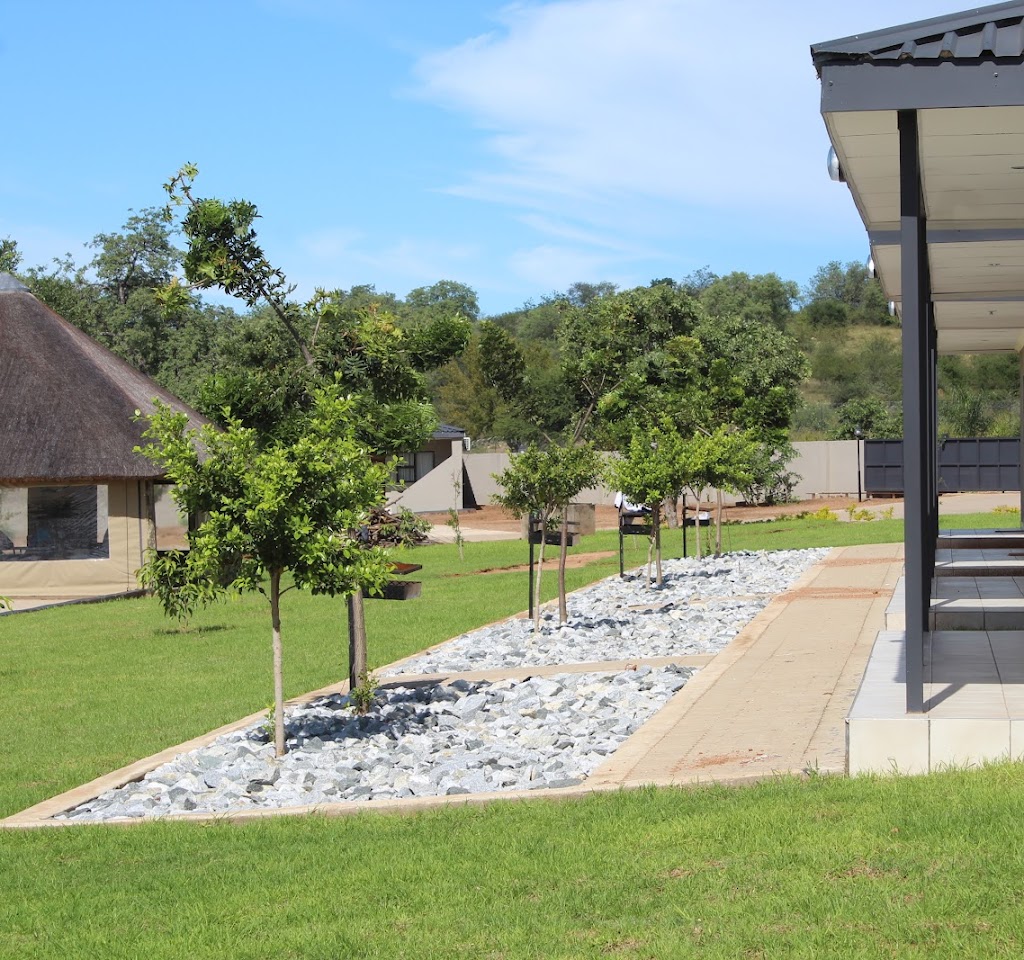
Accommodation in Phalaborwa tends to span a spectrum from intimate lodges and guesthouses to self-catering chalets and mid-range hotels. Many properties emphasise a traveller-friendly ethos: comfortable beds, dependable housekeeping, and dining that showcases local flavours. Expect on-site amenities such as shaded outdoor areas, swimming pools, and sometimes terraces or braai (barbecue) spaces for relaxed evenings. It is common to find packages or recommendations for guided game drives or nature walks, which can simplify planning for first-time visitors to the region.
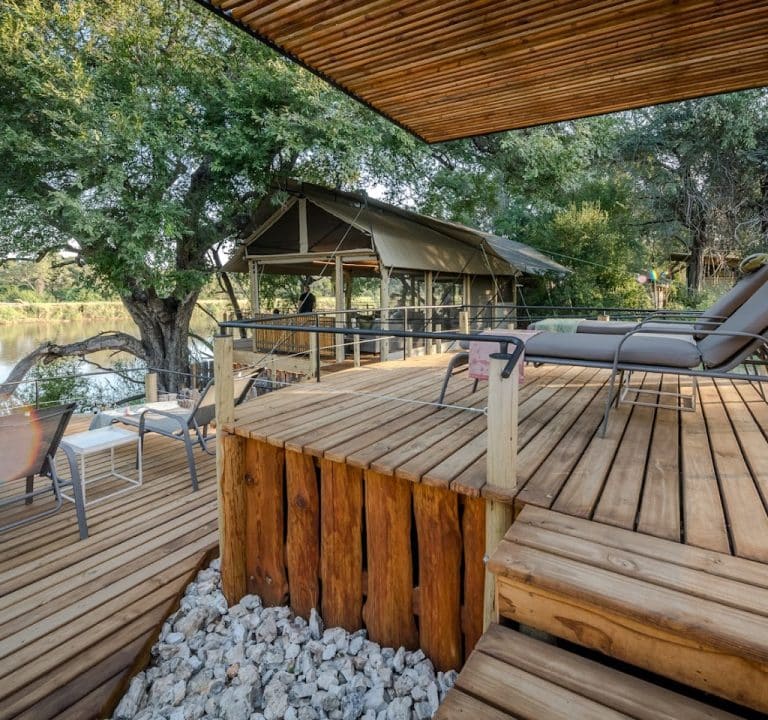
Areas to consider when booking include the town centre, which offers convenient access to shops and services, and lodges that are positioned on larger plots near natural settings. If you prefer more immersion in nature, look for properties backed by or adjacent to wildlife reserves where early morning sounds of birds and the possibility of spotting animals from a private deck are part of the experience. Location matters for transfer times from the airport or bus station, and for access to park gates, which can influence how early you start your day’s adventures.
When choosing accommodation, think about the typical amenities that support a comfortable stay. A reliable air conditioner or ceiling fans are important in hot months, and good mosquito protection is worth verifying in advance. A fridge, tea-and-coffee facilities, and safe on-site parking tend to feature in most mid-range options. For families or longer visits, self-catering units or guesthouses with dedicated kitchen spaces provide flexibility. If you are travelling with a vehicle, confirm parking provisions and whether the property offers enclosed parking or security lighting. Wi-Fi is commonly available, but it can vary in speed and reliability, so plan accordingly if you need to work during part of your trip.
Practical planning tips for a Phalaborwa stay include understanding transport options and timing. Self-drive is popular among visitors who enjoy the flexibility to explore at their own pace. The road network around Phalaborwa is relatively straightforward, though travel within the surrounding bushveld requires cautious driving and awareness of wildlife on or near the roads. For those relying on public transport or arranging transfers, check whether your accommodation offers a shuttle service to nearby parks or the town’s attractions. A day or two dedicated to park exploration will usually require early starts, so selecting a lodge with a sunrise-friendly location can be advantageous.
The best time to visit Phalaborwa aligns with wildlife viewing opportunities, which are often strongest during the dry winter months when animals congregate around water sources. However, the summer rains bring lush scenery and a different wild-life spectacle, with the possibility of dramatic thunderstorm skies. Consider your preferences: cooler, drier weather with more predictable wildlife visibility, or greener landscapes and vibrant flora. Packing for varying conditions—sun protection for long days, light rain gear, and sturdy footwear for walking safaris—will help you enjoy every outing.
If you are planning day trips or light excursions, the region offers varied experiences beyond wildlife watching. There are nature reserves and scenic viewpoints where guides can provide insights into local flora and animal behaviour. For food and dining, Phalaborwa features a mix of tavern-style eateries, casual bistros, and family-friendly restaurants that celebrate local ingredients and flavours. Rather than focusing on single high-profile venues, seek places that offer friendly service and a relaxed atmosphere, and be open to trying regional dishes and produce. Many lodges and guesthouses also provide on-site dining or partner with nearby eateries to offer a convenient half- or full-board arrangement.
Additional practical tips to enhance your stay:
- Book well in advance during peak seasons and school holidays, especially if you have specific room types or view preferences.
- Ask about guided activities or drive options, as many properties partner with local guides for safari experiences, bush walks, and birdwatching.
- Check what is included in your rate—whether meals, park passes, or transfers are bundled, and whether there are any seasonal supplements.
- Factor malaria awareness into your plans if visiting certain reserves; consult your travel health clinic about prophylaxis and precautions.
- Have a flexible plan for mornings and afternoons; early starts often yield the best wildlife sightings, while late afternoons can be ideal for photography and sunset views from outdoor spaces.
For inspiration and practical planning, consider visiting official tourism information pages or the websites of reputable local lodges and guesthouses. They can provide up-to-date information on accommodation options, driving times, and suggested itineraries that align with the seasonal rhythm of Phalaborwa and the greater Limpopo region. With the right choice of base, you can enjoy a restful stay while using Phalaborwa as a comfortable gateway to one of Southern Africa’s most celebrated wilderness areas. Website links to reputable lodging and tourism resources are useful for checking current availability and planning your route through this traveller-friendly corner of South Africa.