Accommodation and Experiences in Marloth Park, Mpumalanga
Nestled in the Mpumalanga region near the Kruger National Park, Marloth Park offers a distinctive blend of wildlife-watching, convenient self-catering stays and close-knit community hospitality. Whether you're seeking a family-friendly break, a romantic bush retreat, or a basic base for epic long-haul safaris, Marloth Park delivers a convivial, laid-back atmosphere and a wide range of accommodation styles. One well-regarded option in the area is Le Roux Lodge, which represents how many visitors experience the region: comfortable, well-situated properties with easy access to nature and daytime exploration, paired with creature comforts in a bush setting.
When planning a stay, consider the layout and access of the different areas within Marloth Park. Some properties sit closer to the river or the fence line, where wildlife spills into garden spaces, while others are tucked into quieter residential pockets. If you’re travelling with preservation-minded aims or with children, choosing a property with secure boundaries, clear animal-sighting guidelines, and staff familiar with local wildlife can enhance both safety and enjoyment. Marloth Park also serves as a practical base for day trips into the Kruger National Park and other nature reserves in Mpumalanga, making location a key factor in your booking.
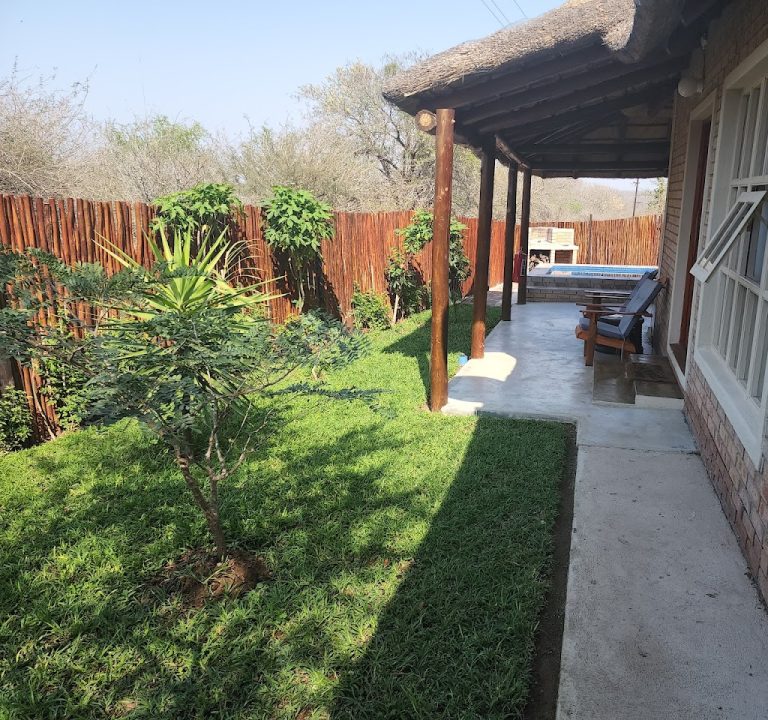
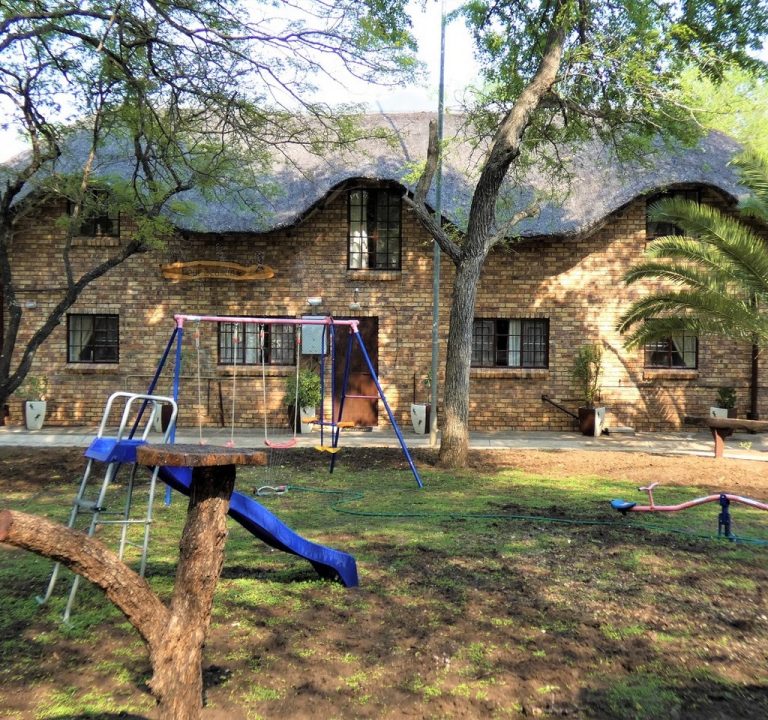
Accommodation options span a spectrum from self-catering bush houses and chalets to more traditional guesthouses and boutique lodges. Expect features such as private verandas for sunset safaris, outdoor BBQ areas (braai), fully equipped kitchens, comfortable lounge spaces, air conditioning or fans for warm months, and reliable housekeeping or on-site hosts who can point you toward wildlife viewing spots. Some properties offer plunge pools or outdoor showers with bush backdrop views, while others provide more subdued, family-friendly interiors. If you’re planning a longer stay, look for properties that offer flexible check-in/check-out, grocery delivery or easy access to a local supermarket, and clear guidance on driving routes and gates for safaris at dawn or dusk.
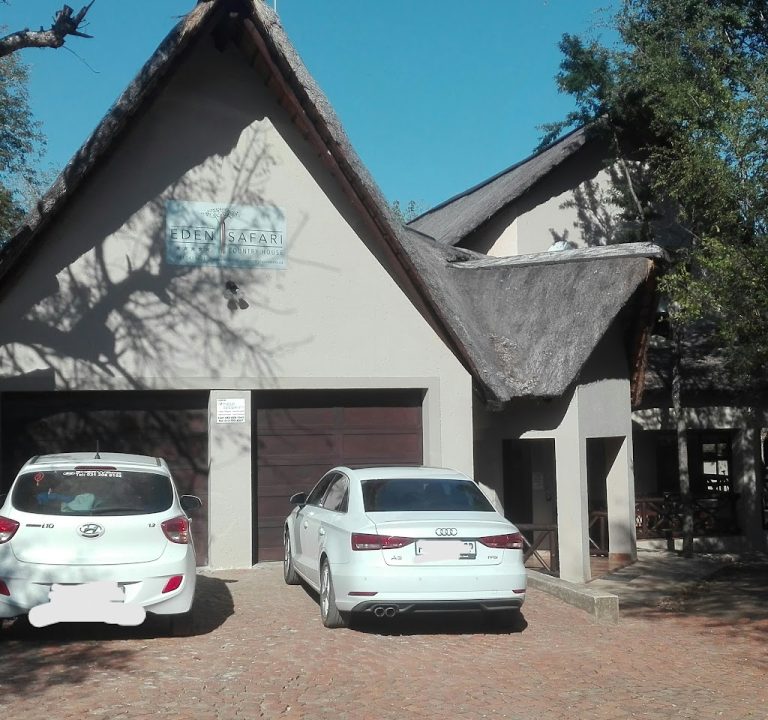
Transport arrangements are an important planning detail. Marloth Park itself is best explored by car or SUV, with most wildlife sightings occurring along the nature corridors and established roads. If you’re flying into the region, the nearest major hubs offer rental car services and transfer options; it’s typical to drive from these hubs to Marloth Park. Some properties can arrange airport transfers or recommend trusted guides for day trips. If you prefer not to drive, you might arrange private tours or join a small-group game drive from a lodge partner, though this can be slower and more dependent on the day’s timetable.
Typical in-room and on-site amenities you may encounter include fully equipped kitchens, clean bedding and towels, mosquito netting or insect screens, and secure parking. A number of properties will also host braais or outdoor dining spaces, plus shaded seating areas ideal for evening wildlife-spotting. For guests with mobility needs, check for accessible entrances and bathroom facilities, as these can vary between properties in lesser-developed rural settings. Internet access is increasingly common, but many visitors prioritise a degree of remoteness; if connectivity is essential, verify the level of coverage before booking.
Best time to visit Marloth Park generally aligns with the South African winter and shoulder seasons. The dry months of May to September offer reliable wildlife viewing as animals congregate around water sources, and the daytime temperatures tend to be cooler, making early morning safaris more comfortable. The wet season from October to April brings lush scenery and dramatic afternoon thunderstorms; this period can be excellent for birdwatching and a different bush experience, though rain can affect travel times. Shoulder periods can provide a balance of wildlife activity and pleasant weather, with fewer crowds than peak holiday times.
Practical planning tips for Marloth Park:
- Book early for peak periods and weekends, especially for preferred locations near waterways or entry gates to Kruger routes.
- Clarify gate access rules, vehicle requirements, and whether your accommodation offers guided activities or recommended self-drive routes.
- Ask about wildlife safety guidance, especially for families with children or first-time safari-goers, and check for fenced versus unfenced properties.
- Consider a mix of accommodation types (self-catering and a lodge stay) to balance self-sufficiency with guided experiences.
- Pack essentials for outdoor stays: insect repellent, binoculars, sun protection, a lightweight jacket for early mornings, and suitable footwear for uneven terrain.
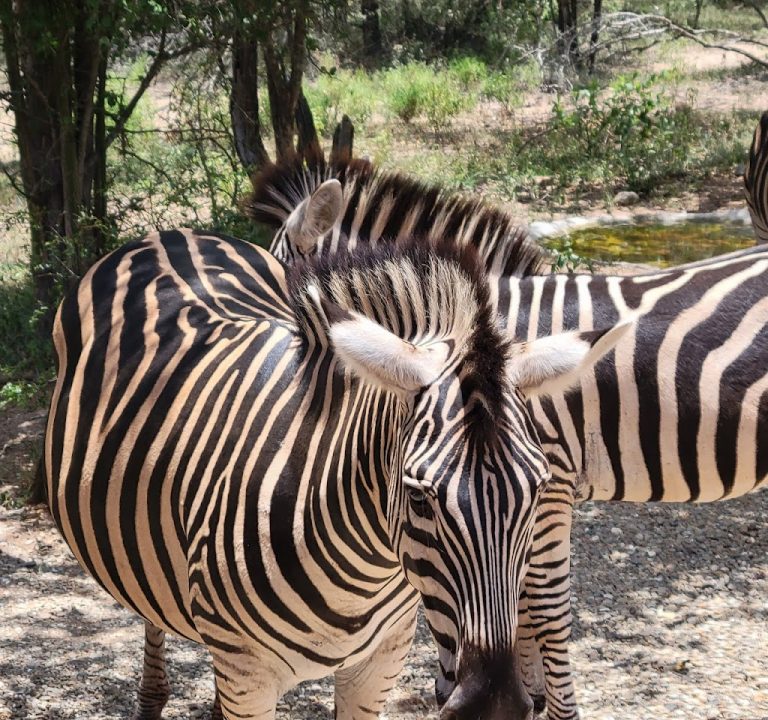
When it comes to experiences beyond the bungalow or villa, Marloth Park offers access to iconic safari vistas and the chance to observe a variety of wildlife, including elephants, antelope and a range of birds, in a relatively intimate setting. Dining within Marloth Park tends to focus on uncomplicated, family-friendly menus and braai-friendly options, with several restaurants and snack spots offering sit-down meals or take-away options. For more diverse culinary choices or guided nature activities, a short drive to nearby towns opens up a wider selection of eateries and community-led experiences, all of which can complement a stay in the park.
In short, Marloth Park is well suited to travellers seeking flexible stay durations, a closer connection to wildlife, and a range of accommodation styles that can be tailored to family, couple or solo adventures. With thoughtful planning around area choice, amenities, and transport, a stay here can be a memorable base from which to explore the Mpumalanga wilderness and the broader Kruger region. For further inspiration or to explore specific properties, you can visit reputable travel sites or the official pages of lodges in Marloth Park.