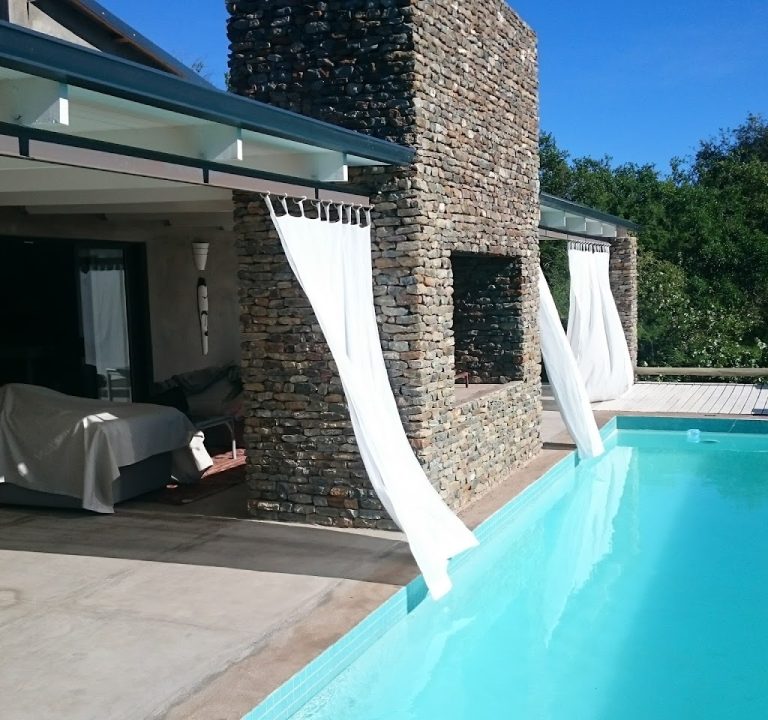
Accommodation and Things to Do in Marloth Park, Mpumalanga
Marloth Park sits on the edge of the Kruger ecosystem in Mpumalanga, South Africa, offering bushveld tranquillity with frequent wildlife sightings just outside your door. It’s a great choice for self-drive safaris and relaxed stays that put you close to nature while remaining comfortable and well equipped. When planning a visit, consider how you want to spend your days—whether you favour self-catering ease, lodge-style comfort, or a more intimate guesthouse experience—and how that aligns with accessibility and proximity to wildlife viewing spots, gates, and nearby towns.
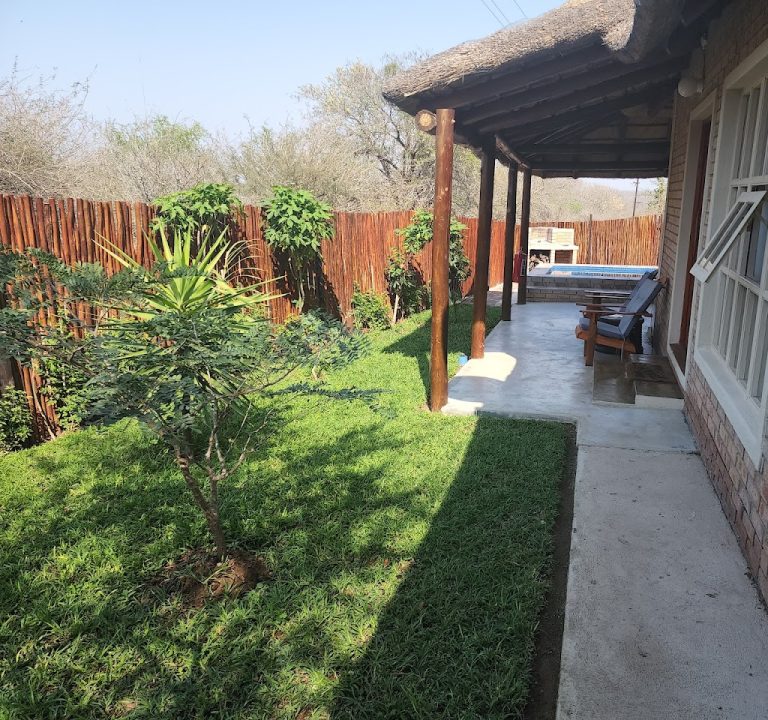
Accommodation in Marloth Park ranges from self-catering homes to guesthouses and small lodges, many set within fenced or buffer-zoned estates to balance safety with immersion in the natural surroundings. Self-catering properties are popular here, offering fully equipped kitchens, living spaces, and private outdoor areas where you might hear animals moving at night. If you prefer more support from your hosts, there are guesthouses and boutique lodges that provide daily housekeeping, arranged game drives, or meal options on request. Whichever option you choose, check how close you are to gates, water sources, and wildlife viewing spots, and whether the property has security provisions in place for night-time peace of mind.
When selecting a place to stay, look for the following features: comfortable beds with quality bedding, reliable air conditioning or fans for warm summers and mosqito protection, secure parking, and easy access to the main roads leading to Kruger National Park and other attractions. A well-equipped kitchen or kitchenette can be a real convenience for longer stays, as can a covered outdoor seating area where you can enjoy the soundscape of the bush. For families or groups, note whether a property offers multiple bedrooms, privacy options, and ample living space. If you are sensitive to noise or have children, ask about the surrounding privacy and the near-by roads or common areas on the property.
Transport in Marloth Park is typically by car. A private vehicle is the most practical way to explore the area, reach gates, waterholes, and nearby towns, and to self-drive into the Kruger National Park or reserve areas. If you’re flying in, you’ll likely hire a car at the airport and drive to Marloth Park, usually along well-maintained routes. Some properties offer airport transfer options or can arrange guided excursions, but most guests prefer the flexibility of independent travel. The park’s internal roads are generally suitable for two-wheel-drive cars, though you may encounter uneven tracks at certain spots. Be prepared for occasional wildlife on the roads and morning or late afternoon drives to coincide with animal activity.
Best time to visit Marloth Park depends on your wildlife-watching goals and tolerance for heat. The dry winter months (roughly May to September) tend to offer clearer animal sightings as animals congregate around water sources. Summers can be hot and humid, with afternoon thunderstorms in the region; however, this is also a lush, vibrant period with abundant birdlife and blooming flora. If you are visiting during the wetter months, plan for shorter outdoor windows and carry appropriate protection against rain and insects. Always check local weather patterns and park guidelines before you travel.
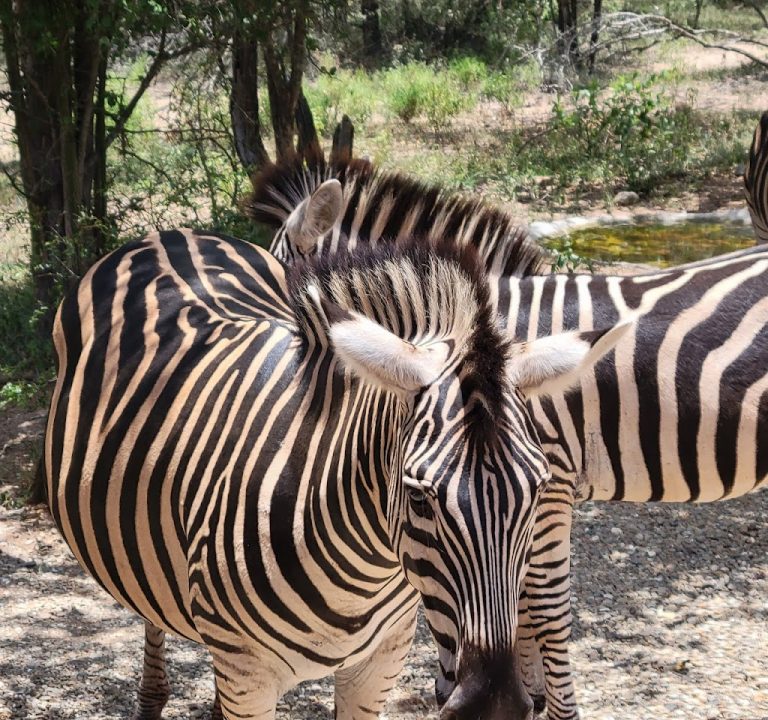
In terms of activities, Marloth Park is ideal for relaxed outdoor experiences. You can place a greater emphasis on self-guided wildlife viewing from your accommodation’s vantage points, or join organised safaris and guided walks offered by local operators. The area’s close proximity to the Kruger National Park makes day trips feasible, allowing you to explore iconic landscapes, diverse species, and sweeping vistas. For a more local flavour, some operators provide bush walks with guides who can share insights into the flora, birdlife, and animal behaviour you may encounter. Remember to carry your own water, sunscreen, hats, and binoculars, and to respect animal silhouettes and distance guidelines during any viewing activity.
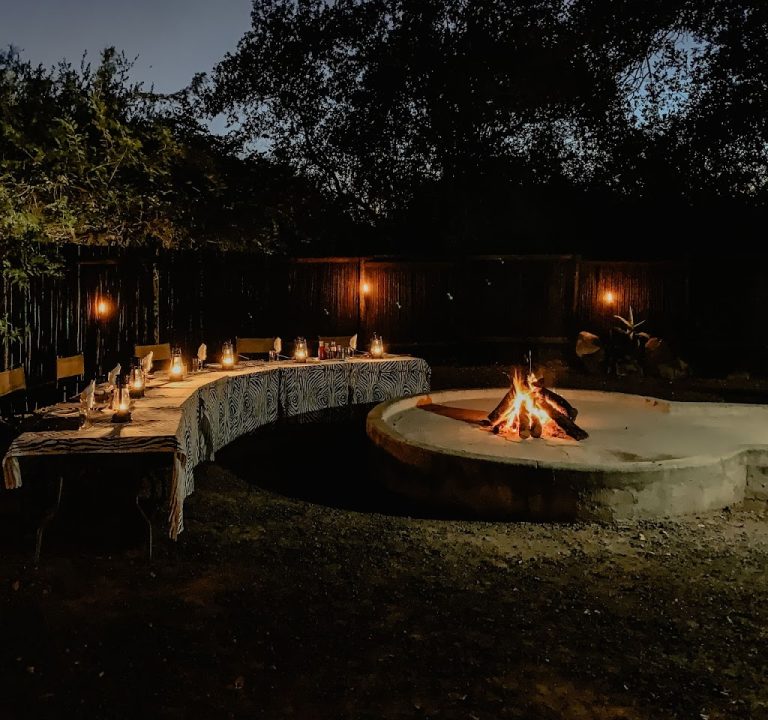
Dining options around Marloth Park range from on-site meal provisions at your chosen accommodation to light bites and casual meals at nearby venues. In addition to self-catering facilities, guests often arrange for private chefs or shared meal services through hosts. For those who enjoy exploring, nearby towns offer a broader range of restaurants where you can sample regional flavours in relaxed settings. When planning meals, consider your schedule for sunrise and sunset activities; many wildlife moments occur during these times, so plan accordingly and enjoy a hearty breakfast or an early dinner to suit your day.
To help you plan efficiently, here are some practical tips:
- Book early, especially for peak travel periods, and reconfirm your arrival time and gate access with your host or accommodation manager.
- Clarify whether you prefer self-catering or a property that provides daily housekeeping and meal options.
- Ask about security provisions, gate hours, and wildlife safety guidelines for your chosen property.
- Check proximity to Kruger National Park gates, water sources, and main roads to optimise your game-viewing schedule.
- Pack insect repellent, sun protection, comfortable walking shoes, a light jacket for cooler evenings, and a camera with a good zoom for wildlife shots.
- Bring a charging device or power bank, as some remote settings may have limited power points; verify what amenities are included in your accommodation.
- Respect park rules and keep your vehicle windows closed when observing wildlife at close range to protect both you and the animals.
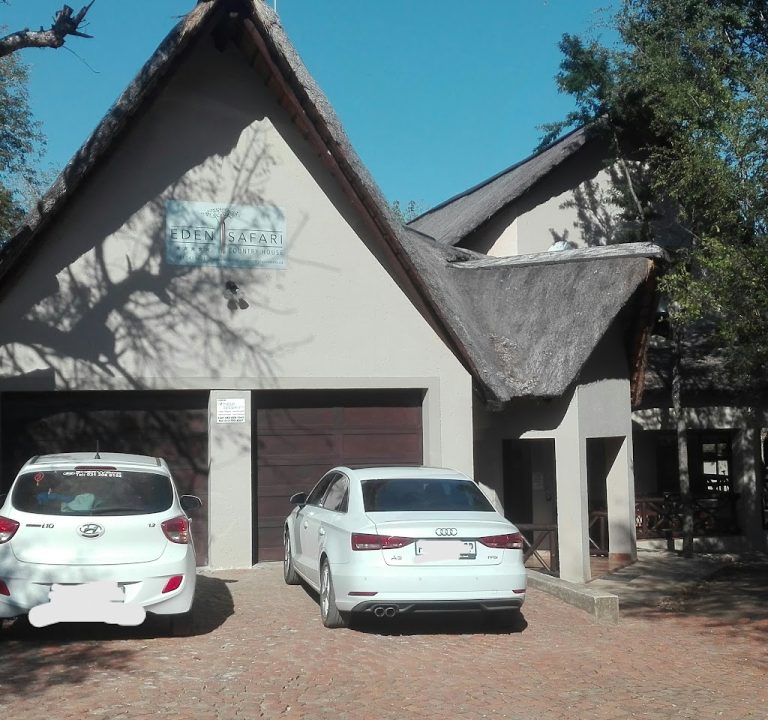
One example of accommodation that suits the Marloth Park scene is Eden Safari Country House, a self-catering option known for its home-from-home ambience and convenient access to the surrounding wildlife corridor. For more information and to explore availability, you can visit the property’s website at http://www.edensafaricountryhouse.co.za/.
Overall, Marloth Park offers a calm base from which to experience the Mpumalanga bushveld at a comfortable pace. With careful planning, thoughtful selection of a stay type, and a flexible approach to daily excursions, you can enjoy the region’s natural beauty, convenient access to wildlife-rich landscapes, and a memorable South African safari experience without the pressures of a large lodge schedule.