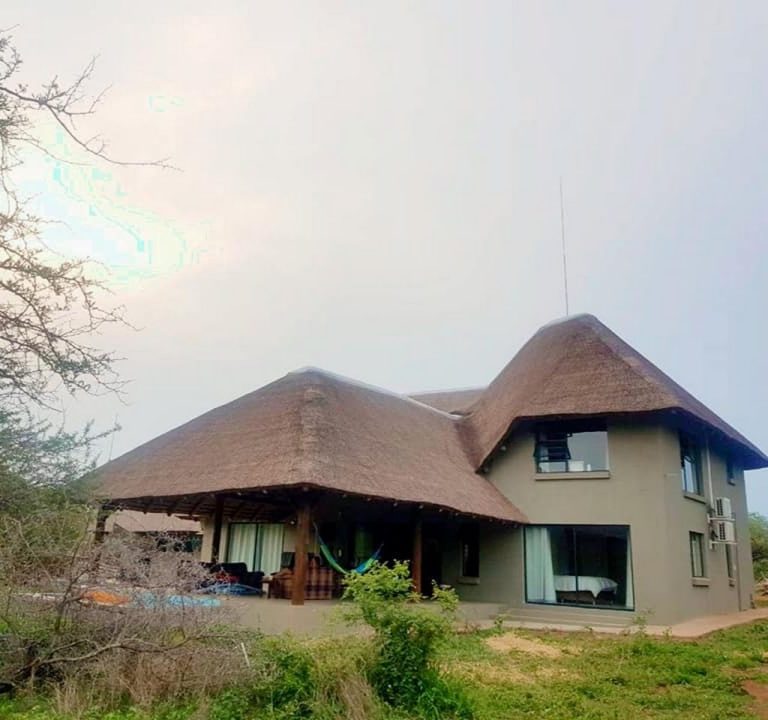
Marloth Park, Mpumalanga: accommodation, planning and activities for a wildlife-focused stay
Nestled on the edge of the Kruger Lowveld, Marloth Park is a crescent of private holiday estates along the banks of the Crocodile River. It offers a blend of self-catering chalets, lodges and bush cottages surrounded by permanent game, with easy access to Africa’s premier wildlife experiences. The area is particularly popular with travellers who want a relaxed, self-guided stay where you can observe elephants, antelope and myriad bird species from the comfort of your deck or poolside. When planning your visit, think about the type of accommodation, proximity to Kruger National Park entrances, and the kind of wildlife you hope to encounter during your days in Marloth Park and beyond.
Where to stay matters. Marloth Park is spread across several sections, each with its own character—from leafy, feature-filled bush homes to elevated lodges with panoramic river views. For families, choose properties with secure pools, outdoor spaces and easy access to the Crocodile River or reserve pathways. For couples or groups seeking a more secluded escape, look for boutique-style cottages or larger homes tucked away in tree-lined streets. If you are planning a longer stay, some rentals offer self-catering facilities and kitchens, while others may include partial or full board as part of a larger lodge complex.
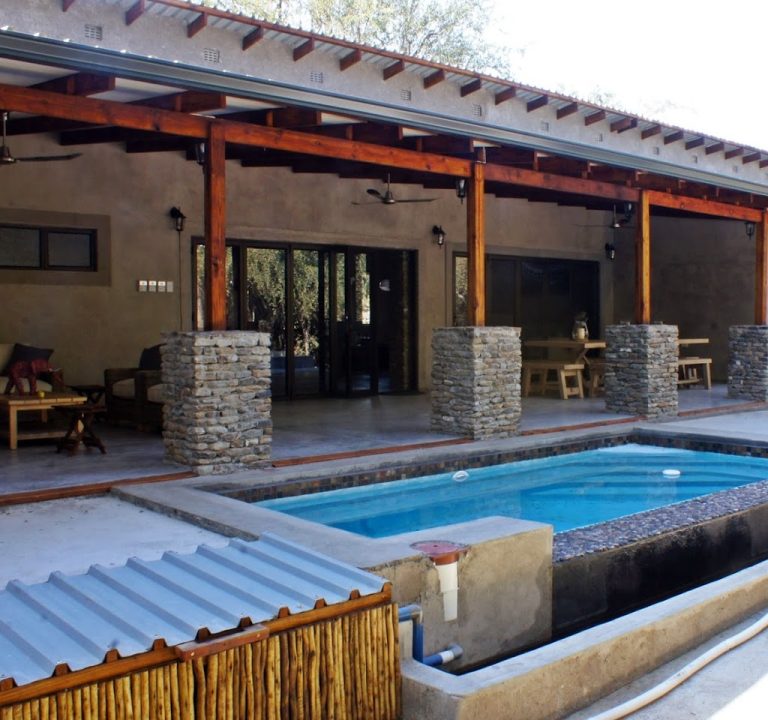
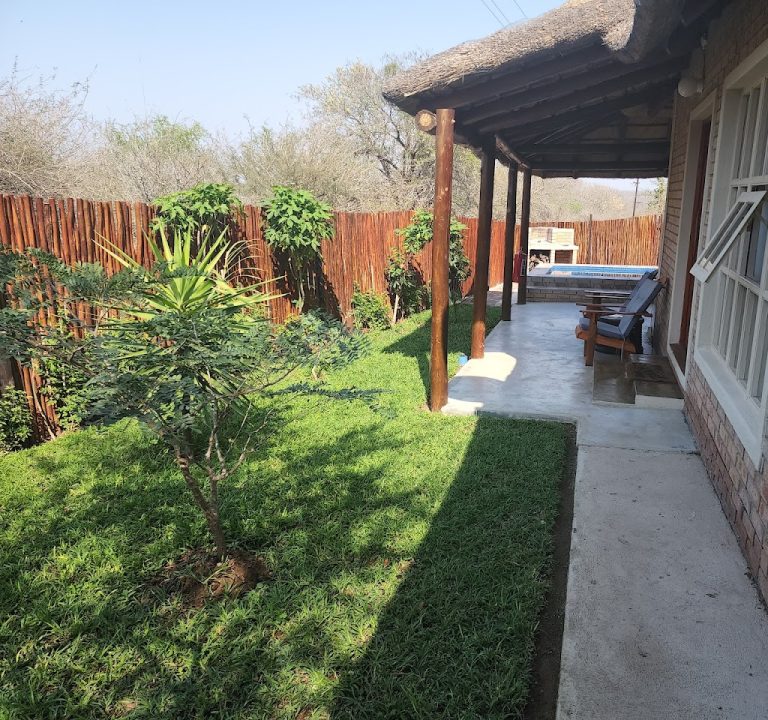
Typical amenities you may encounter include private or shared swimming pools, braai (barbecue) areas, spacious verandahs or decks, open-plan living spaces, and well-equipped kitchens. A few properties provide guided game drives or have partnerships with nearby guides, which can be convenient for first-time visitors. Internet access varies by property and location, so if reliable connectivity is important, check the details in advance. Remember that Marloth Park is a wildlife destination, so outdoor spaces should be secure and child-friendly if you are travelling with youngsters.
Transport within Marloth Park is most convenient with a rental car. The estate roads are generally well maintained, but some properties sit along or near riverside tracks that can be rough after rain. Having your own vehicle makes it easier to explore at dawn and dusk, when wildlife is most active. If you plan day trips to the Kruger National Park, you will typically drive yourself to one of the park’s southern gates, with Crocodile Bridge and Malelane Gate being among the more frequently used entrances. Check whether your accommodation offers parking on-site and whether guided transfers are available, if needed.
Best time to visit Marloth Park aligns with wildlife viewing and weather preferences. The dry winter months (roughly May to September) tend to offer clearer skies, cooler daytime temperatures, and excellent game viewing as animals concentrate around water sources. The hot, wetter summer period (roughly December to February) brings lush vegetation and active birdlife, but afternoons can be intense, and some roads become mushier after rains. Mosquito activity is higher in summer, so packing practical insect protection and a light long-sleeve layer for evenings is wise. If you enjoy seasonal colours, you’ll also observe the landscape shifting with rainfall patterns and migratory bird movements throughout the year.
When to book, and what to look for: aim to secure a property with a clear view or easy river access if wildlife viewing from the terrace is a priority. Check for secure fencing, whether the property accepts children, pool safety features, and any housekeeping or on-site staff arrangements. Confirm the kitchen equipment and whether essentials such as bedding, towels, and firewood (for braais) are included. If you plan guided activities, ask about availability, additional costs, and whether your host or property manager can arrange early morning or late afternoon game drives with reputable guides.
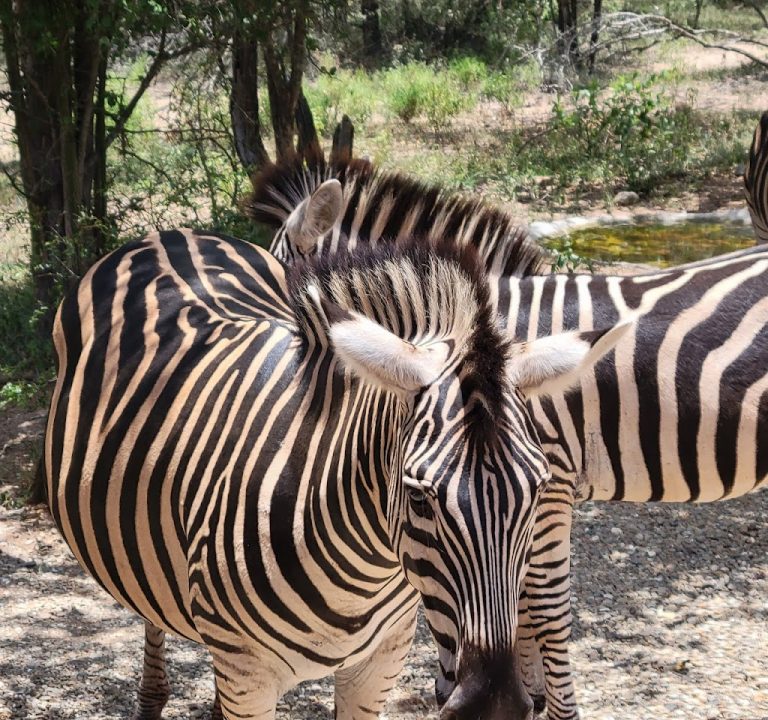
Attractions and experiences to consider during a Marloth Park stay include wildlife watching from the comfort of your accommodation, guided game drives into the Kruger National Park, bush walks along riverine habitats, and quiet evenings listening to nocturnal sounds. The Crocodile River area provides a natural stage for photography and wildlife observation, with opportunities to spot elephants, hippos and a variety of bird species from scattered viewpoints along public or private tracks. For a broader experience, day trips to nearby private reserves or Kruger gates can be arranged through your accommodation or local operators, depending on your plans and level of independence.
Dining options in Marloth Park are varied and typically relaxed. Many self-catering properties offer fully equipped kitchens, enabling you to prepare meals at home after a day in the bush. On-site or nearby lodges may provide continental breakfasts, barbecue facilities, or casual dinners. Outside the estate, you’ll find a range of restaurants and eateries within travelling distance in Marloth Park itself or in nearby towns. When planning meals, consider that some establishments close earlier in the evening, and peak sunset hours are popular for wildlife viewing, so booking a dinner slot in advance can be helpful if you’re combining a day trip with a meal out.
- Check accessibility: confirm gate access, parking availability, and any restrictions for vehicles or equipment.
- Assess proximity to Kruger gates: closer locations shorten drive times for morning or afternoon wildlife drives.
- Security and comfort: ensure the property has secure facilities, with clear guidance on any safety rules in the area.
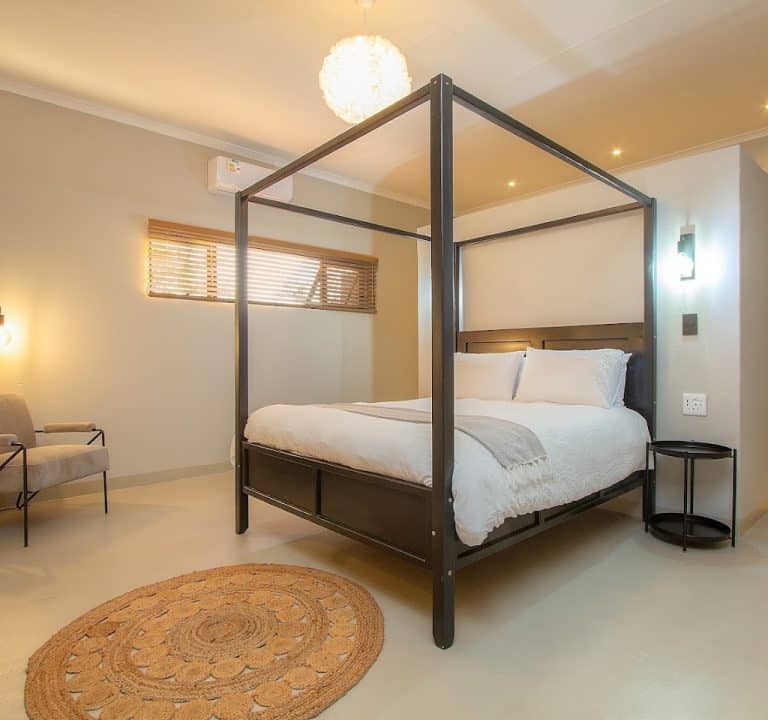
- What’s included: verify linens, kitchen staples, cleaning schedules, and whether there is a housekeeper or manager on site.
- Wildlife etiquette: plan to observe from a safe distance, keep noise to a minimum at dawn and dusk, and avoid leaving doors open when animals are nearby.
For anyone researching Marloth Park accommodation, convenient planning involves cross-checking accommodation websites for up-to-date availability and guest reviews, noting accessibility to Kruger National Park gates, and confirming any seasonal advisories. A stay here can be wonderfully low-key yet rich in natural experiences, with plenty of opportunities to observe Africa’s iconic wildlife in a relaxed, home-from-home setting. If you wish to explore a particular option such as a self-catering retreat, you can often find further information through official property pages or travel platforms, which may include a direct link to the hosted site or booking page.