Franschhoek: where to stay and what to do
Franschhoek in the Western Cape offers a refined blend of countryside charm and culinary sophistication, making it a popular choice for short breaks and longer visits. When planning a stay, consider both the scenery and the pace you prefer. The town is compact enough to explore on foot or by bicycle, yet it also sits in a valley that invites scenic drives and gentle country rambles. An array of accommodation options—from cosy guest houses to boutique hotels—means you can tailor your stay to your budget and style while staying within easy reach of the region’s renowned wine estates and eateries.
Where to base yourself matters for convenience and atmosphere. The historic main street and the surrounding village area place you within easy reach of most attractions, galleries, and restaurants. If you favour tranquil views and more space, parted-out options along the valley offer broader grounds and a slower pace, often with uninterrupted hillside or vineyard panoramas. For families or groups, larger guest houses and self-catering cottages provide flexible layouts and home comforts. When comparing options, look for properties that emphasise light, bright common spaces, Wi‑Fi that works in rooms and outdoor areas, and secure parking if you will be driving between vineyards.
Typical amenities to look for include comfortable en-suite bedrooms, an inviting communal lounge or reading room, a café or breakfast service, and outdoor spaces such as a garden or terrace where you can enjoy morning coffee or a sunset drink. Many guest houses in Franschhoek offer complimentary breakfast with regional touches, and some provide on-site dining experiences or partner with nearby restaurants for special tasting menus. If you prefer privacy, consider a self-contained suite or a guest house with a private entrance. For longer stays, a kitchenette or kitchenette facilities in the room can be convenient, while homely touches—like a fireplace in cooler months—add to the character of a stay in this wine-and-food-focused valley.
Transport is straightforward but can influence your choice of base. Parking is a practical advantage in Franschhoek, especially if you plan to explore by car and visit multiple wine estates scattered across the valley. While some properties are within easy walking distance of the village amenities, others are better reached by car or organised transfers. If you intend to sample wines, consider properties that offer easy access to a central starting point for tastings or that can arrange guided experiences. Bike-friendly options or those close to scenic lanes are a delight for more active travellers, though sections of the valley can be hilly, so plan accordingly.
The best time to visit Franschhoek depends on your priorities. Spring and autumn bring mild temperatures and active vineyard activity, with flowers in bloom and harvest preparations underway. Summer offers longer days and a bustle of outdoor dining, while winter provides cosy evenings by the fire and quieter scenery. For food lovers, align your stay with seasonal menus and a slate of tasting experiences that highlight the region’s farms and producers. Weather can be changeable in the shoulder seasons, so packing layers, a light rain jacket, and comfortable walking shoes is sensible whatever the month.
One practical approach to planning is to build a loose itinerary around two or three anchor experiences—such as a wine-tasting day, a country lunch, and a gallery stroll—then leave space for spontaneous discoveries. In Franschhoek, you are likely to come across locally produced goods, artisan cafés, and markets that celebrate regional produce. Booking key experiences in advance is wise during peak seasons, but there are usually opportunities to discover hidden corners of the valley by chatting with hosts or staff at your accommodation for up-to-date recommendations.
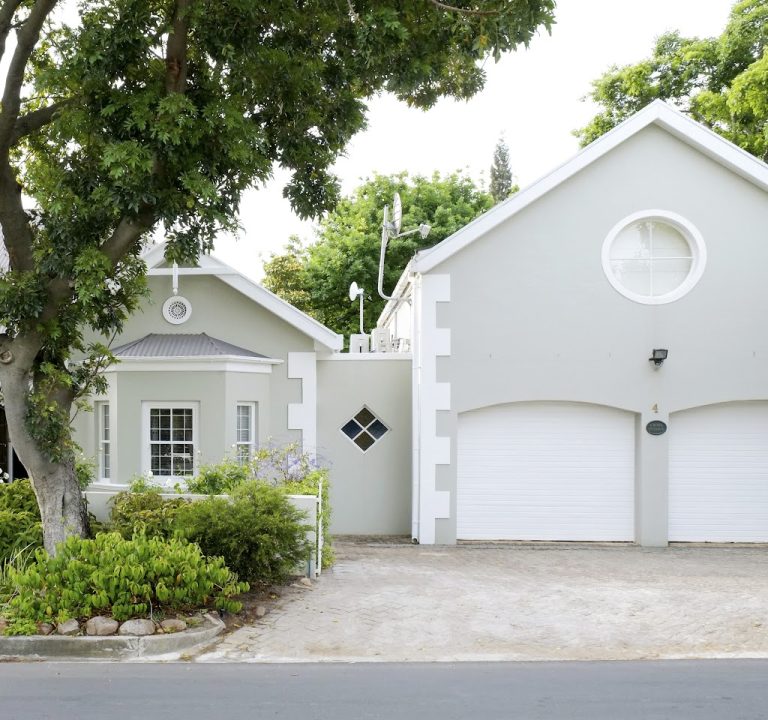
To illustrate a sample stay, consider a guest house such as Laurel Cottage, a property positioned to offer a comfortable base with thoughtful touches. For more information on this or similar options, you can visit Laurel Cottage, which showcases how boutique guest houses in Franschhoek blend homely hospitality with the surrounding landscape. It is helpful to compare several properties to understand differences in character—from rooms that feel like a private sanctuary to those that embrace the bustling village energy.
Attractions in and around Franschhoek tend to cluster around the central village and the wine route. Visitors commonly enjoy a mix of vineyard tours, cellar experiences, art galleries, and strolling along historic streets lined with preserved Cape Dutch architecture. Dining plays a starring role here, with many restaurants focusing on seasonal, ingredients-driven menus that echo the valley’s farming heritage. Rather than chasing a single landmark, plan to sample a handful of establishments over a few days to capture the region’s culinary rhythm, from refined tasting menus to lighter, relaxed lunches beside the vineyards.
Practical tips for a smooth stay include confirming late check-in arrangements if you expect to arrive after standard hours, and asking hosts about parking availability and luggage handling. If you are visiting during a busy period, it can be helpful to request a preferred table or tasting appointment times to avoid delays. Keep in mind that Franschhoek’s charm is amplified by a slower tempo—allow time to wander, pause at a café, and soak in the valley’s scenery. Finally, remember to stay hydrated and protect yourself from sun exposure when exploring vineyards and outdoor spaces on warm days.
In short, Franschhoek rewards those who plan with a blend of comfortable accommodation, easy access to wine estates and cuisine, and the chance to experience a valley whose character is as lush as its flavours. Whether you choose a cosy boutique guest house or a more expansive countryside retreat, you will be well placed to enjoy the region’s welcoming hospitality and its world-class dining within a compact, walkable setting.