Accommodation and experiences in Cape Town: planning a memorable stay in the Western Cape
Cape Town blends stunning natural scenery with a vibrant urban scene, making it an excellent destination for a multi-day break or a longer stay. When planning where to stay, consider the mix of hills, coastline and city bustle that characterises the region. South Africa’s Mother City offers a range of accommodation styles, from stylish apartments and boutique guesthouses to well-appointed hotels, each with its own access to iconic viewpoints, markets and dining scenes.
For many visitors, choosing a neighbourhood determines the pace and character of the visit. The City Bowl offers easy access to museums, theatres and historic sites, with a variety of hotels and serviced apartments that suit both short breaks and longer stays. Sea Point and de Waterkant deliver a lively promenade atmosphere, with sea views, casual eateries and quick access to the Atlantic Seaboard. Camps Bay provides a resort vibe with hillside luxury and white-sand beaches nearby, while the Constantia Valley in the southern suburbs is ideal for wine lovers and quieter, leafy settings. If you crave a robust creative scene and convenient transport links, Woodstock and Observatory offer characterful rooms, cafes and galleries within a short ride of central sights.
When browsing accommodation, typical amenities that aid every traveller include reliable Wi‑Fi, air conditioning or heating, well-equipped kitchen facilities for self-catering stays, and secure parking where you’re likely to hire a car. A good guesthouse or hotel will prioritise natural light, privacy, comfortable bedding and clear information about nearby transport links. For families or longer visits, serviced apartments or aparthotels can be particularly convenient, combining hotel-style services with the freedom of home living. Some properties offer flexible bedding configurations, on-site laundry facilities and easy access to terraces or gardens for alfresco mornings and evenings.
Transport is a key planning factor. The MyCiTi bus network covers central Cape Town and coastal suburbs with relatively straightforward routes, while Uber and other ride-hailing services provide convenient door-to-door travel, especially for evenings out or trips to Table Mountain or the Cape Point route. If you plan day trips to Cape Point, Boulders Beach to see penguins, or Constantia’s historic wine estates, having a car or arranging guided tours can save time and maximise your itinerary. Many accommodation options are well placed to walk into nearby cafes, markets and beaches, but a vehicle can offer greater flexibility for early starts and longer day trips.
Best time to visit Cape Town depends on your priorities. The late spring and summer months (roughly November to February) are warm and lively, with long days ideal for outdoor experiences like hiking Table Mountain or exploring the Atlantic coast. Autumn brings cooler, drier days and fewer crowds, a pleasant compromise for city sightseeing and coastal strolls. Winter (June to August) is cooler and wetter; it can be a good period for whale watching in nearby coastal towns and for enjoying the city’s indoor cultural offerings, plus typically more moderate room rates outside peak seasons.Pack layers, a reliable cape storm shell and sunscreen, as conditions can shift quickly along the coast.
When booking, it helps to think about what you want most from your stay. If you’re chasing sunrise views, a room with a balcony or a high-floor vantage point near the Atlantic coast is ideal. If you’d rather be within walking distance of markets, museums and cafes, a central City Bowl base or a place in Green Point gives easy access. For wine country day trips, consider staying in Constantia or a nearby suburb with easy access to drive-to tasting routes. Always check cancellation policies, cleanliness standards, and whether breakfast is included or available as a paid upgrade.
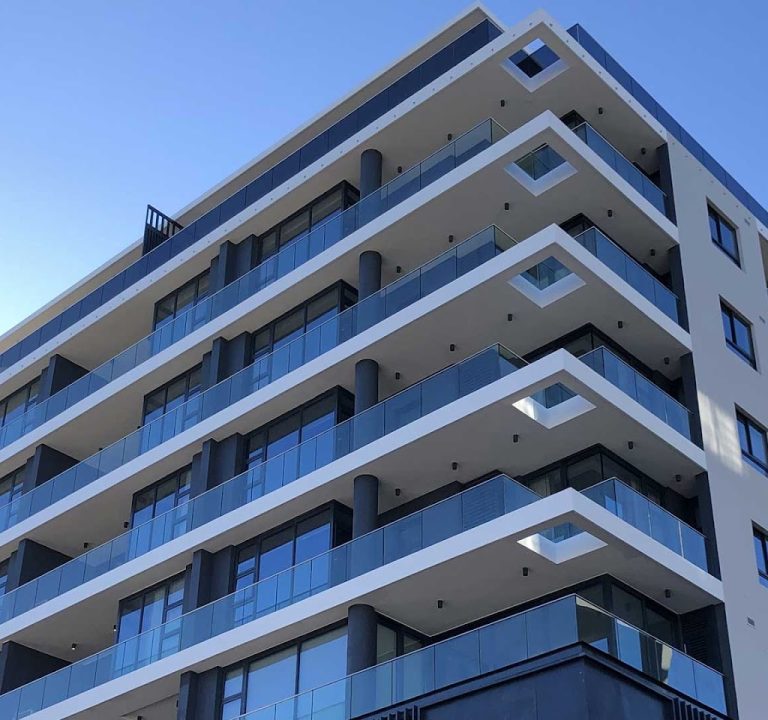
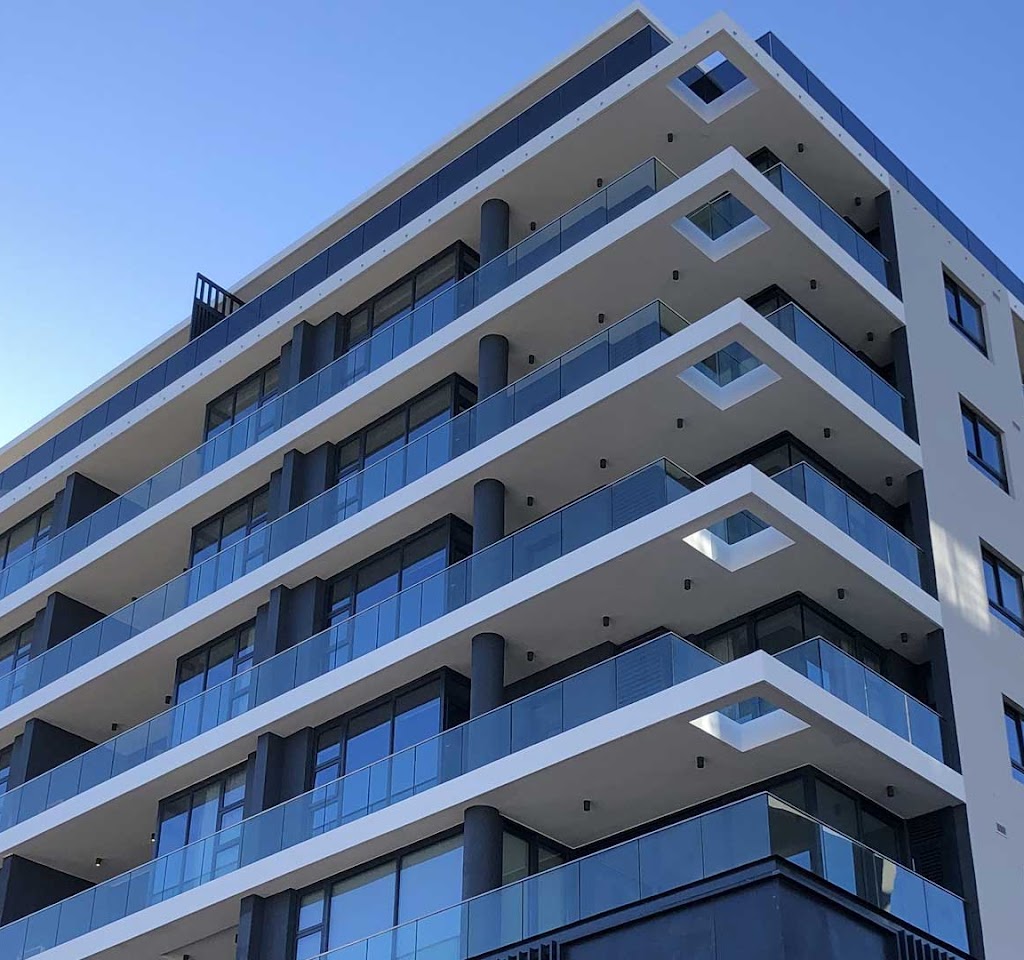
To illustrate accommodation options that align with modern traveller preferences, consider an aparthotel stay such as Latitude Aparthotel by Totalstay. These properties offer studio or apartment-style layouts with hotel-like services, combining the comforts of a home with the convenience of on-site facilities. They can be particularly convenient for longer stays or for guests who appreciate the flexibility of cooking meals at home while still enjoying a central location. For more information, you can explore the property’s page at Latitude Aparthotel by Totalstay.
What to look for when booking a property in Cape Town:
- Proximity to desired sights or neighbourhoods, and access to reliable public transport or parking.
- Quality of bedding, room layout, natural light and overall comfort.
- Adequate security, well-maintained communal spaces and easy check-in/check-out procedures.
- Clear information about nearby dining options, markets and attractions, plus on-site or nearby cafés or eateries.
- Transparent pricing with details about electricity, water and any city taxes or resort fees.
Beyond where to sleep, Cape Town’s attractions and nearby experiences offer a broad palette. Iconic viewpoints, cable-car views from Table Mountain, and scenic drives along Chapman’s Peak or the Atlantic coast are popular options. For culture and history, museums, galleries and historic districts reveal the city’s complex past and vibrant present. Food lovers will find a diverse scene ranging from casual coastal eateries to refined, contemporary South African dining. Markets, street food stalls and wine estates in surrounding areas provide a balanced tapestry of flavours, crafts and countryside scenery to complement city exploration.
Whether you’re planning a short city break or a longer, relaxed stay, Cape Town rewards travellers with a blend of natural beauty, cultural experiences and comfortable, well-located accommodations. With thoughtful choice of neighbourhood, practical transport planning and clear expectations about amenities, your visit can be as energising or as restful as you wish.