Accommodation in Cape Town: How to Plan a Memorable Stay and Make the Most of the City
Cape Town offers a diverse range of stays for travellers, from intimate guest houses tucked into leafy neighbourhoods to contemporary boutique hotels with panoramic views. When planning a visit to the Western Cape’s iconic city, think about where you will spend most of your time, how you like to explore, and what you value in a stay—whether that’s a waterfront outlook, easy access to sights, or a home base with thoughtful amenities.
Areas to consider include the vibrant City Bowl, where close-to-centre convenience is matched with leafy streets, historic architecture and a thriving dining scene. The Atlantic Seaboard, including camps with ocean views and easy beach access, is ideal for sun-worshippers and sunset chasers. Constantia offers a more verdant, wine-country vibe a short hop from Cape Town’s city centre, perfect for those seeking tranquillity and leafy hills. For a taste of multicultural neighbourhood life, the Bo-Kaap and surrounding Cape Malay quarters provide rich history, colour, and local cuisine within easy reach of top attractions. If you’re seeking family-friendly options with straightforward beach access, look for properties along the southern suburbs and along the Atlantic Seaboard, where many guest houses and hotels emphasise comfort and convenience.
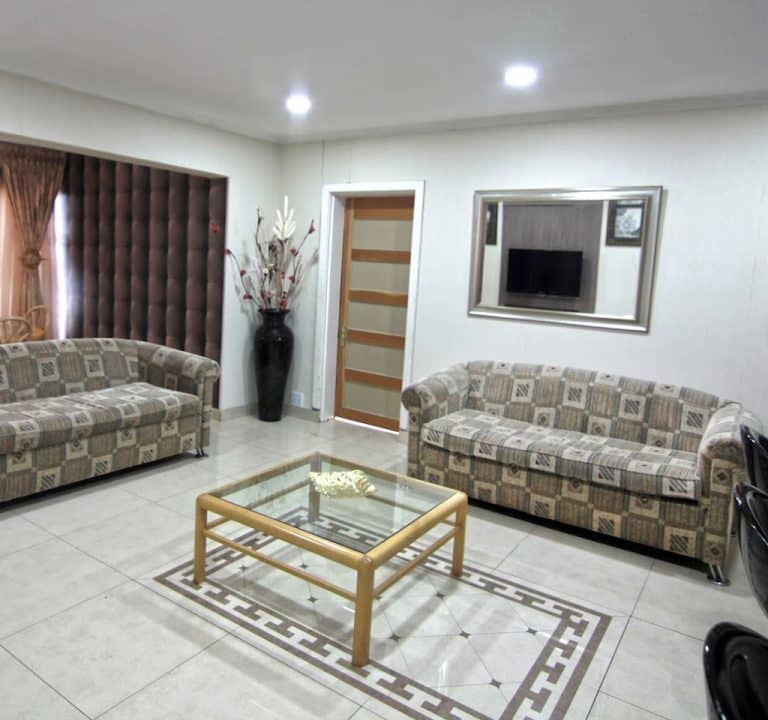
When choosing accommodation, consider what you want from the stay beyond a bed for the night. Look for options with generous breakfast choices, safe parking or easy public transport access, clean and well-equipped rooms, reliable Wi‑Fi, and friendly, knowledgeable staff who can offer local tips. Some guest houses and boutique hotels in Cape Town provide communal living spaces, swimming pools, and terraces with views, which can be especially appealing for travellers who value a sociable atmosphere or a place to unwind after long days of sightseeing.
Typical amenities to expect include en-suite bathrooms, quality linens, and well-equipped kitchenettes or self-catering options in larger suites. Since weather can be changeable, a cosy lounge, heating or air conditioning, and a well-insulated property matter. Many properties also offer secure parking, on-site facilities such as a small gym or spa, and the possibility to arrange guided tours or restaurant reservations. If you’re planning a longer stay, check whether short-term rentals offer laundry facilities or access to a communal laundry room, which can be a practical advantage.
Transport in Cape Town is diverse and travel-friendly. From most central locations, you can walk to cafes and attractions, while popular districts are well-served by local bus networks and rideshare services. If you plan day trips to the Cape Peninsula, vineyards, or the winelands, consider whether your accommodation offers shuttle options, convenient pick-up points, or easy access to car hire. For those preferring independent exploration, staying near a rideshare hub or a major bus corridor can save time and reduce travel stress.
Best time to visit Cape Town depends on your priorities. The summer months (December to February) bring warm days suitable for beach outings and outdoor markets, but be prepared for busy crowds. Shoulder seasons—late spring (September to November) and autumn (March to May)—offer milder weather, fewer crowds, and excellent conditions for hiking, sightseeing, and photography. Winter (June to August) can be cooler and windier, yet it presents calmer city experiences and the chance to enjoy warm eateries and indoor attractions. Whatever the season, it’s wise to book accommodation well in advance for popular areas and holiday periods, and to check cancellation terms in case your itinerary shifts.
When planning a stay that combines accommodation with experiences, you might consider choosing a guest house or boutique hotel that can organise or recommend local tours. Cape Town offers a broad spectrum of activities: coastal walks and beaches, scenic viewpoints, historic neighbourhood tours, and culinary experiences ranging from market visits to wine-tuel tastings in nearby Constantia or Stellenbosch. For families, look for family-friendly properties with safe access to outdoor spaces and beaches, plus convenient proximity to parks and kid-focused activities. For couples or solo travellers seeking culture, a central location near museums, markets, and a lively dining scene can maximise how you spend your time each day.
Practical tips for a smooth stay:
- Ask about the property’s proximity to your planned attractions and to public transport routes or parking availability.
- Check for reliable Wi‑Fi, workspace-friendly lounges, and on-site dining options if you prefer to dine in occasionally.
- Read guest reviews focusing on cleanliness, noise levels, and staff responsiveness before booking.
- Confirm whether self-catering facilities are suitable for your needs if you prefer some meals in your apartment or suite.
- Book early for peak periods and consider shoulder-season stays for better value and calmer experiences.
As a point of reference, consider a guest house that offers comfortable rooms, a welcoming common area, and a location that provides easy access to the beaches, ocean-facing promenades, and mountain viewpoints. For inspiration, you might explore properties along the Atlantic coast for easier beach access, or in the City Bowl for quick hops to restaurants and markets. Whatever your choice, Cape Town's accommodation scene is well-placed to support a traveller-friendly itinerary that balances rest with discovery, leaving you ready to explore the many attractions and eateries the city has to offer. For more information and ideas, reputable travel guides and the official tourism site can provide up-to-date suggestions and planning tips.