Planning a Stay in Cape Town: Where to Stay, What to Do, and Practical Tips for Travellers
Cape Town in the Western Cape blends dramatic coastline, iconic mountains, and a richly varied neighbourhood tapestry that suits a range of travellers. When choosing where to base your stay, consider accessibility to the sights you want to prioritise, as well as a vibe that matches your interests—whether you’re seeking a quiet hilltop retreat, a bustling urban hub near waterfront attractions, or a relaxed seaside enclave with panoramic views.
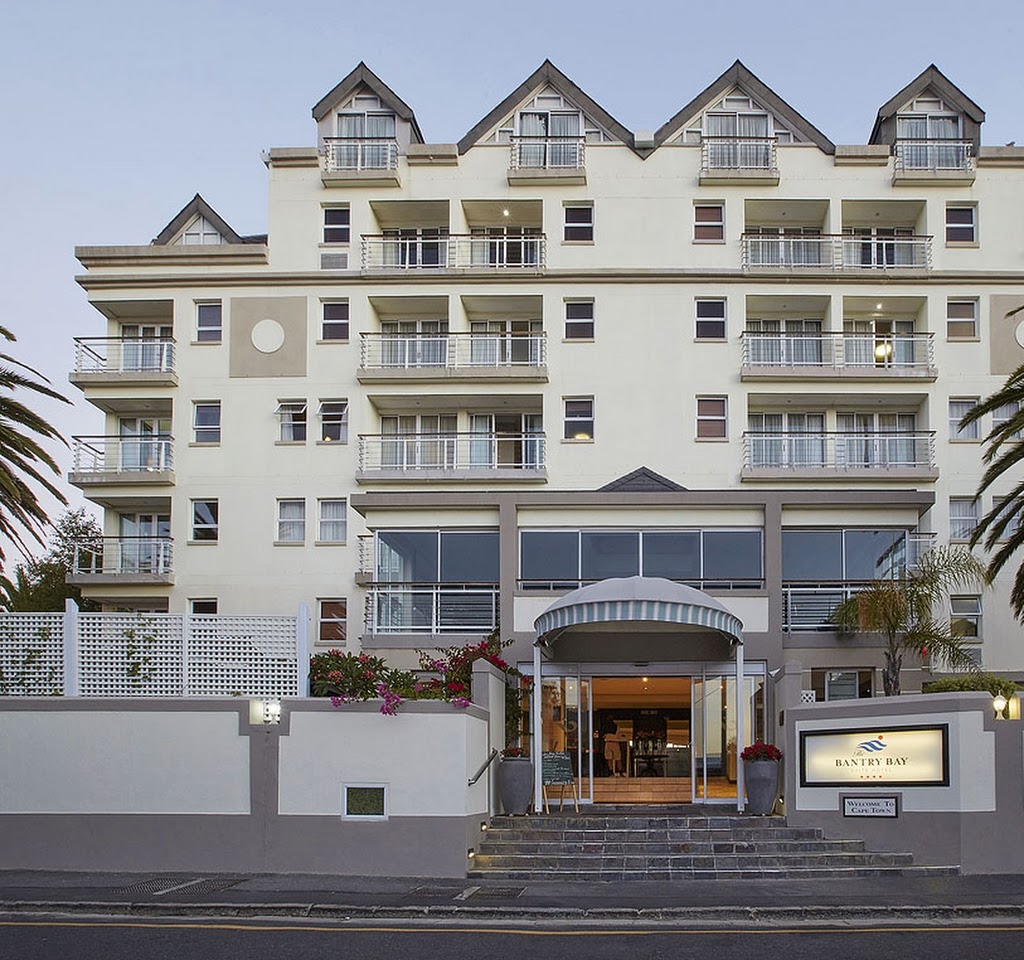
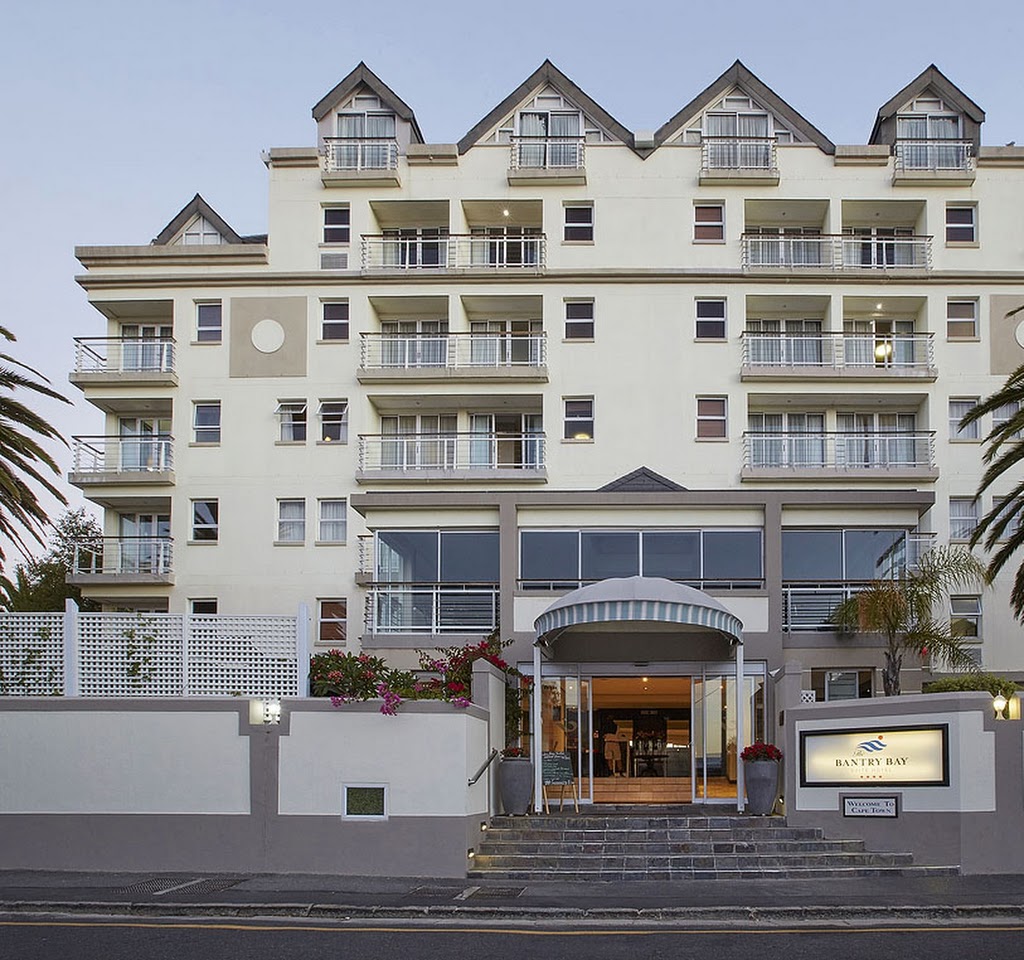
Accommodation options span boutique BnBs tucked into quiet residential streets, guesthouses with personalised service, stylish city-centre hotels, and full-service resorts along the Atlantic Seaboard and beyond. For a classic midweek experience with easy access to major sites, a boutique hotel in the V&A Waterfront/Green Point area is convenient. If you prefer ocean panoramas and easy beach access, areas like Camps Bay, Clifton, and Bantry Bay offer a slower pace and luxe ambience. For a local, village-like atmosphere with restaurants and markets nearby, you might opt for a guesthouse in the colourful neighbourhoods of the Bo-Kaap, Gardens, or De Waterkant. One notable option in the city’s luxury segment is Bantry Bay, where properties emphasise space, light, and sea views, often with easy routes to coastal trails and popular dining destinations. Visit their site for more details: Bantry Bay Suite Hotel.
Typical amenities to look for include reliable high-speed Wi‑Fi, a continental or full breakfast option, ensuite bathrooms, and climate control. In Cape Town, guests increasingly value in-room usability for work as well as leisure, so consider properties that offer stylish workspaces, USB charging points, and good natural light. If you’re travelling with family or a group, check for apartments or suites with separate living areas, kitchen facilities, and easy access to common spaces. Pool facilities, on-site parking, and a 24-hour reception can also enhance convenience, especially if you plan early morning game drives or late-night returns from dining districts.
Transport access significantly shapes your itinerary. The city’s MyCiTi bus network and affordable ride-hailing options make it feasible to stay outside the central area while still hitting major sights. If you’re renting a car, you’ll enjoy versatility for day trips to the Cape Winelands, the Cape Peninsula, and coastal towns. Consider aligning your lodging with the routes you intend to take—mountain-to-sea viewpoints and coastal drives often reward those who plan a day around light traffic and morning panoramas. Some visitors prefer walkable access to local cafés, markets, and viewpoints; others prioritise serene sea views and a short drive to the city’s cultural venues. Check whether your choice of lodging provides secure parking or convenient drop-off points for activities you have booked.
The best time to visit Cape Town largely depends on what you hope to do. The city enjoys a Mediterranean climate with warm, dry summers and mild, wetter winters. Spring (September to November) and autumn (March to May) offer pleasant temperatures, flowering landscapes, and fewer crowds than peak summer months. If your focus is wildlife or wine-region touring, shoulder seasons can provide calmer experiences and more comfortable touring conditions. For beach days and outdoor activities on the Atlantic coast, plan for the warmer summer months, while being mindful of peak season crowds in popular hotspots.
When planning an itinerary, balance natural wonders with cultural experiences. Iconic natural highlights include the dramatic coastline, well-marked trails, and viewpoints that reward early risers. In terms of activities, you can expect guided coastal walks, scenic drives along the Peninsula, and opportunities to explore cosmopolitan dining streets, with a wide range of restaurants offering everything from contemporary South African cuisine to international options. Rather than focusing on specific venue names here, look for places with strong local character, seasonal menus, and a thoughtful approach to service and sustainability. In many areas, you’ll find weekly markets and small galleries that give a sense of contemporary Cape Town life alongside its historic streets and museums.
Practical tips to help you maximise your stay:
- Book accommodation with clear cancellation policies and flexible dates where possible, especially in shoulder seasons.
- Ask about on-site parking, if you are driving, and how easy it is to access major routes for day trips.
- Confirm breakfast options and any in-house dining arrangements to plan for early departures or late returns.
- Check the distance to your intended attractions and whether your chosen area is well-lit and pedestrian-friendly after dark.
- Pack layers, a hat, sun cream, and a light rain layer; Cape Town’s weather can shift quickly with coastal winds.
Finally, a well-planned stay often blends a comfortable base with a sensible mix of days directed at outdoor beauty, urban exploration, and culinary discovery. Whether you choose a refined harbour-view hotel, a charming hillside guesthouse, or a spacious apartment with sea glimpses, Cape Town rewards travellers who balance relaxation with early starts and mindful pacing. With careful selection of your neighbourhood, transport options, and a flexible mindset, you’ll be able to enjoy the best that this magnet of the Western Cape has to offer—from world-class scenery to vibrant dining and culture—without missing a beat.