Johannesburg: accommodation, attractions and planning a stay
Johannesburg, or Jo’burg as many visitors call it, is a vibrant hub of culture, history and modern life. When planning a stay, you’ll find a wide range of accommodation options to suit different budgets and travel styles—from characterful guest houses to contemporary hotels and self‑catering apartments. The choice of area can shape your days, from easy access to city highlights to a quieter neighbourhood ambiance for rest after busy days out.
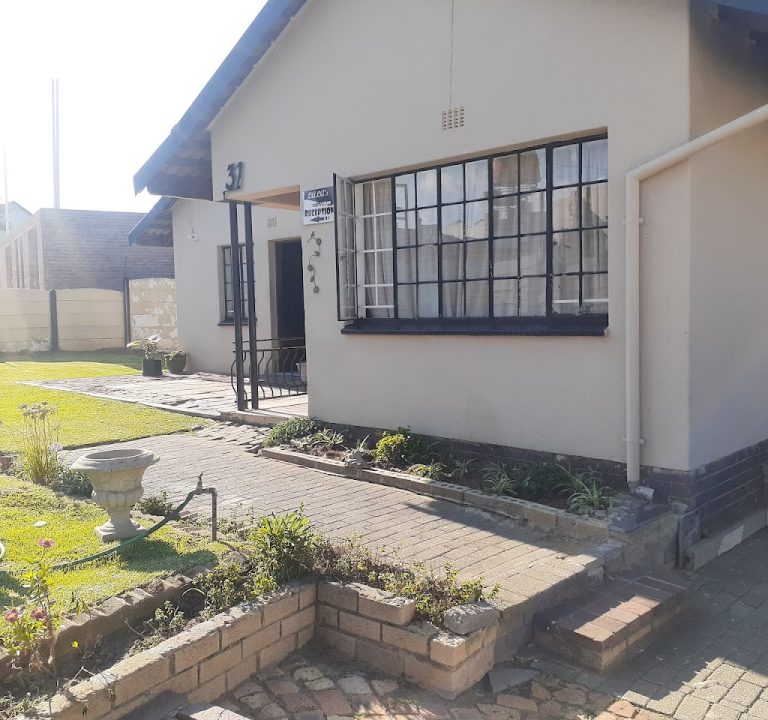
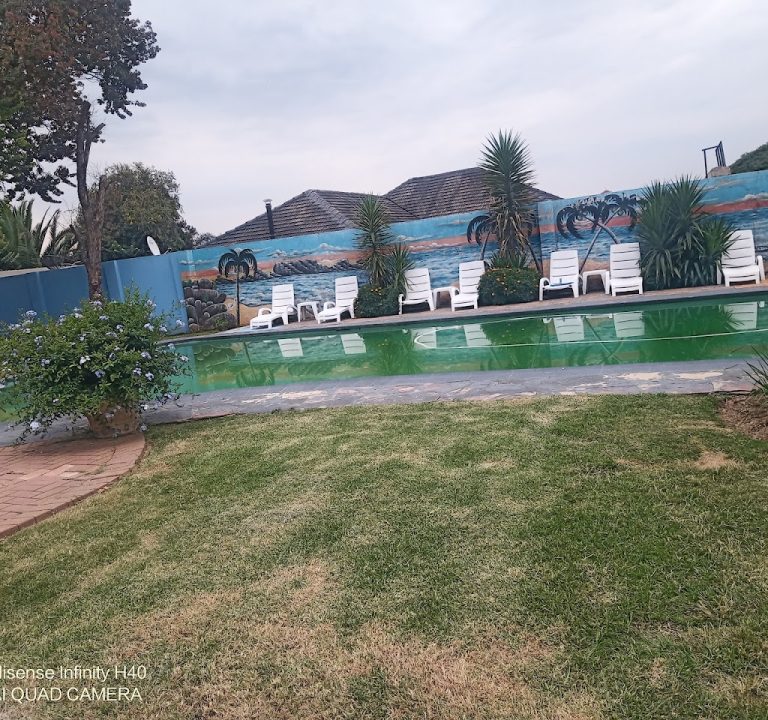
For guests seeking a welcoming stay with a personal touch, guest houses often offer intimate spaces, helpful local tips, and a homely atmosphere. One example is Lalas guesthouse, a setting that might emphasise personal service, where hosts can help tailor itineraries and share practical advice about navigating the city. When evaluating options, look for clear descriptions of common spaces, self‑c catering facilities if needed, parking arrangements, and whether the property offers breakfast or other light meals.
Typical amenities across Johannesburg’s accommodation spectrum may include free or paid Wi‑Fi, en‑suite bathrooms, climate control, secure on‑site parking, and access to lounges or shared kitchens. Some properties arrange private transfers or provide information on local transport options. If you are travelling with family or a small group, features such as multiple bedrooms or quiet corners for work can be particularly valuable. Always check cancellation policies and any house rules that could affect your stay.
Transport is a practical consideration. Johannesburg is a large city with a mix of metro routes, rideshare options, and car hire. The Gautrain hub connects you efficiently to Pretoria and OR Tambo International Airport, while urban rideshare apps can provide convenient door‑to‑door access within the city. If you prefer public transport for daily explorations, stay near reliable routes and consider guest houses or hotels with easy access to main roads or railway stations. A certain amount of daylight travel time is prudent, as traffic can be unpredictable during peak hours.
The best time to visit Johannesburg generally aligns with milder weather and more comfortable city exploration. Spring and autumn offer pleasant temperatures for walking tours and outdoor markets, while winter (June to August) can be cool and sunny—great for cultural venues and indoor attractions. Summer brings warmth and occasional showers; plan for indoor experiences or flexible outdoor options on rainy days. Regardless of the season, evenings in the city can be lively, so checking for local events or performances can add a memorable touch to your stay.
When it comes to areas to consider, Johannesburg offers distinct neighbourhoods, each with its own character:
- City centre and the surrounding arts districts, where you’ll find galleries, theatres and a vibrant street life.
- Sandton and Nelson Mandela Square, offering upscale hotels, shopping, dining and business facilities.
- Rosebank, known for markets, boutique stays and easy metro access.
- Melville and Parkhurst, which combine village‑like streets with cafés and music venues.
- Soweto, offering a powerful window into South Africa’s history and community‑run guesthouses or guest‑house‑style stays.
When booking, consider what you plan to do each day. If your itinerary focuses on culture and history, staying near the city centre or Sandton can cut travel times to venues, while a neighbourhood stay in Rosebank or Melville may offer calmer evenings and a walkable dining scene. For business travellers, proximity to major business districts, reliable Wi‑Fi and breakfast options can be particularly important. If you’re seeking a quieter base for family trips, a guest house with communal spaces and convenient parking can be ideal.
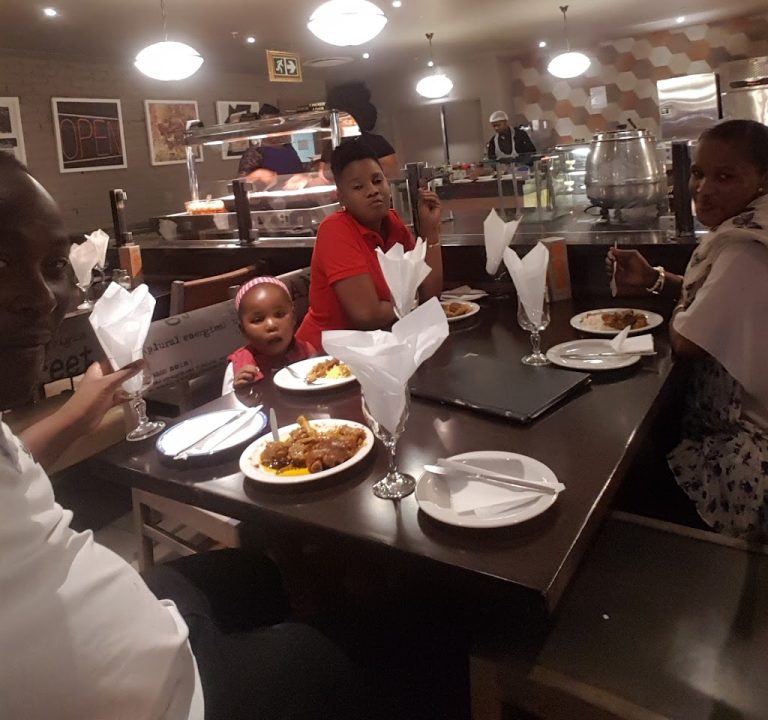
Dining and experiences form a key part of a Jo’burg visit. The city has a dynamic range of eateries, from traditional South African eateries to contemporary cafés and international options. In many areas, you’ll find venues that provide a relaxed atmosphere for meals or informal weeknight evenings. It’s worth asking hosts or guest‑house staff for recommendations on safe, reputable places to eat and to explore nearby markets or neighbourhood hangouts. For a fuller experience, consider guided neighbourhood walks or tours that touch on local history, street art and culinary storytelling; these can offer context and stories that enrich your stay without needing to rely on formal tourism sources.
Practical tips to help you plan a smooth visit:
- Book a property with clear directions and check‑in procedures, especially if you arrive late or travel independently.
- Verify parking, transport options, and proximity to landmarks you plan to visit.
- Pack adaptable layers for changeable weather and comfortable walking shoes for urban exploration.
- Allocate time for local markets, museums and outdoor spaces to balance indoor and outdoor activities.
- Keep a list of reputable taxi or rideshare numbers, and coordinate with your host for recommended routes at different times of day.
Johannesburg rewards curious travellers who blend city highlights with day‑to‑day discovery. By selecting a well‑located accommodation, planning around transport options, and embracing neighbourhoods with their own stories, you can enjoy a balanced and enriching stay in this dynamic South African metropolis. Whether you choose a quaint guest house such as Lalas guesthouse, a modern hotel, or a serviced apartment, a thoughtfully planned itinerary will help you make the most of your Jo’burg experience.