Accommodating Cape Town: Where to stay and how to make the most of your visit
Capable of pairing dramatic coastal scenery with vibrant street life, Cape Town is a city that rewards thoughtful planning. For travellers seeking a home-base that suits your pace, Cape Town’s range of accommodation – from intimate guesthouses and self-catering cottages to stylish hotels and lodges – makes it possible to tailor your stay to your interests, budget and travel style. Whether you want a breezy beachside vibe, a chic urban hub, or a countryside retreat near wine country, you’ll find options that are well placed for exploring the Western Cape’s famed vistas and attractions.
When choosing where to stay, consider the area and what you want to do each day. The Atlantic Seaboard is ideal for beachcombing, sunset cocktails and impressive coastal scenery. The City Bowl places you within easy reach of markets, museums and action-packed dining scenes, with convenient access to the harbour and the waterfront. Constantia and the False Bay coast offer easy access to wine routes, green hills and quieter residential districts. For families or those seeking a quieter stay with self-catering facilities, a well-equipped lodge or guesthouse on the southern suburbs or near Constantia can provide a calmer base while still offering straightforward access to major sights.
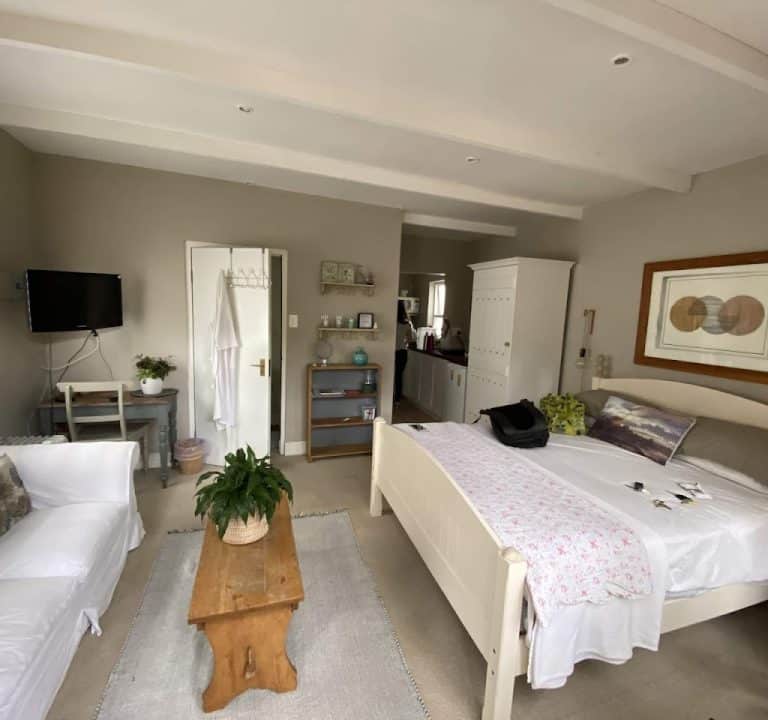
Self-catering and guesthouse options, such as Lady May Guest Lodge, typically emphasise comfortable, practical spaces designed for a relaxed stay. Look for furnished kitchens or kitchenettes, reliable Wi‑Fi, private or secure parking, and options for flexible daily housekeeping. A well-presented property may also offer additional conveniences such as laundry facilities, outdoor spaces, and easy-to-use travel guides or maps. If you’re travelling with family or a group, a multi-bedroom suite or a private unit can provide privacy alongside shared communal areas for socialising after a day of sightseeing.
Typical amenities you may encounter include robust Wi‑Fi, heating or air conditioning for varied seasons, well-equipped kitchens or cooking facilities, and thoughtful touches such as coffee-making setups, fresh bedding, and quality towels. It’s worth checking whether the accommodation offers entertainment options for evenings, secure access, and information on nearby supermarkets, eateries and transport links. In Cape Town, the ability to step outside and stroll to a café, market or a scenic lookout can be a real benefit, so note the walking distances and the availability of on-site parking or easy street parking where you plan to stay.
Transport options are a key part of planning. Cape Town has several public transport choices including bus services, informal ride-sharing, and taxi applications. If you’re renting a car, ensure easy access to your chosen area and be mindful of peak traffic around central zones and popular beaches. For those who prefer not to drive, look for accommodation with convenient access to MyCiTi routes or close to the V&A Waterfront, where you can join organised tours or hop-on-hop-off experiences that cover major sights and some day trips to the Cape winelands or the Cape Peninsula’s scenic routes.
Best time to visit Cape Town depends on what you want from your trip. The summer months (roughly November to February) offer sunny days, sea swimming, and longer daylight hours, ideal for outdoor adventures and seaside strolls. Spring and autumn provide milder weather and fewer crowds, making this a good window for hiking, wine-tasting trips, and exploring the city’s cultural sites. Winter (June to August) is cooler and windier, but it can be a great time to enjoy culinary experiences and indoor attractions, with fewer tourists about. Always plan around local events and seasonal closures for museums, markets and attractions to avoid missing out on what you’d hoped to see.
With so many neighbourhoods to explore, a balanced stay might combine a couple of different bases. For example, you could anchor your trip in a well-appointed guesthouse or self-catering unit in a convenient central area, then spend a few days on the Atlantic Seaboard to enjoy beaches and coastal trails, and a day or two in the Constantia or Durbanville wine routes for a taste of the Cape countryside. Consider how much time you want for nature, city culture, food experiences, and day trips from your chosen base.
When booking, keep practical tips in mind. Read guest reviews for insights on noise levels, the responsiveness of hosts, and how well the space matches the listing description. Check the layout to ensure it suits your party, whether you need a separate living area, a kitchen, or parking. Confirm the property’s policies on entry times, housekeeping frequency, and what is provided in the kitchen. Look at proximity to beaches, viewpoints, and dining precincts, and note how long it takes to reach major sights by your preferred mode of transport. Finally, plan a flexible itinerary that balances outdoor activities with rest days to savour Cape Town’s scenery, markets, and dining culture without feeling rushed.
For ideas on what to see and where to eat in a general sense, consider the city’s outdoor landmarks, waterfront precincts, markets, and diverse dining scenes. Iconic natural landmarks offer sweeping views from table-top peaks or coastal cliffs; historic and cultural venues tell the story of the region’s rich heritage; and a broad range of restaurants and cafés provide everything from casual to fine-living experiences. To help plan your stay, you can explore official resources such as Cape Town Tourism for a broad overview of attractions, experiences and practical tips for visitors. Cape Town Tourism can be a good starting point for practical planning and inspiration.
- Pack for changes in weather and the possibility of cool evenings, even in warm months.
- Book accommodation with clear cancellation terms and flexible arrival times during peak seasons.
- Choose a base with easy access to transport links and markets or eateries you’re keen to explore.