Knysna: where to stay, what to do and how to plan your visit
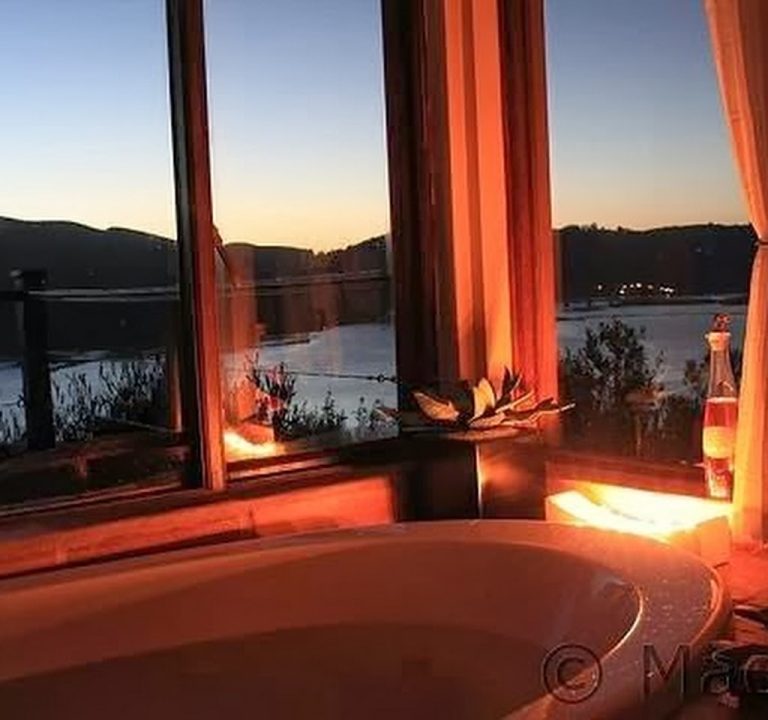
Knysna, perched on the edge of the Knysna Lagoon and backed by the looming stands of the Tsitsikamma and Knenagh mountains, offers a relaxed backdrop for a memorable South African getaway. Whether you seek a cosy guest house, a boutique lodge, or a self‑contained suite with panoramic views, the town is well set up for travellers who value comfort, easy access to nature and a touch of seaside charm.
When planning where to stay, consider the different neighbourhoods and what they offer. The town centre and the waterfront area are convenient for walking to cafés, seasonal markets and boat trips. For a more tranquil stay, look towards the wooded hills surrounding Knysna’s golf courses and luxury lodges, where you may wake to birdsong and distant harbour glimpses. If you prefer a family-friendly base, certain guest houses and self-catering options sit closer to nature reserves and family‑oriented activities. For a more intimate, personalised experience, a guest house such as La Loerie Lofts (a well‑located option in the area) can provide a friendly base with individual style and local insights.
What to look for when booking. Typical amenities that make a stay comfortable include en‑suite bathrooms, reliable heating or air conditioning for seasonal changes, and a generous breakfast option. Quiet rooms and good sound insulation are worth prioritising if you plan to rest after excursions. Free and reliable Wi‑Fi is helpful for planning day trips and checking weather or road conditions. Easy on‑site parking or safe street parking becomes important if you hire a car, which is often the most practical way to explore the surrounding coastlines, forests and viewpoints. Eco‑friendly practices, locally sourced breakfasts, and hosts with knowledge of the area can elevate your stay beyond a basic bed for the night.
Typical arrangements include guest houses with personalised service, boutique hotels with a small, curated dining offering, or self‑catering lodges that maximise space for families or groups. If you are booking a larger property, confirm the number of bedrooms and whether common areas are suitable for your party. For shorter stays, ask about late check‑in arrangements and whether there is someone on hand for recommendations or emergencies. If you value KwaZulu‑Natal‑style hospitality in a Western Cape setting, a well‑run guest house can blend comfort with insider tips about the region.
Transport and getting around. Knysna’s layouts are walkable to a degree, especially around the town centre and waterfront, but most visitors still rely on a car for day trips along the Garden Route. If you arrive by plane, the nearest regional airport and typical transfer routes will influence how you pace your days. From a base near the centre, it’s pleasant to stroll to cafés and markets, while a car opens access to forest reserves, coastal viewpoints and longer excursions along the coast and inland trails. For shorter hops, taxis or ride‑hailing services are usually available, but you may find more freedom with your own vehicle for exploring the surrounding attractions at your own pace.
Best time to visit. Knysna benefits from a temperate climate with mild summers and cool winters, but the coastline can be breezy year‑round. Spring (September to November) and autumn (March to May) are pleasant for outdoor activities, with fewer crowds on popular trails. Summer is lively and popular for water‑based activities and harbourside dining, while winter can offer a quieter atmosphere and interesting wildlife sightings in nearby reserves. If you plan coastal boat trips, sea conditions and wind patterns can influence schedules, so it’s wise to check ahead and be flexible with your plans.
What to do and where to eat in general terms. Major draws around Knysna include the town’s harbour and lagoon, forest walks on the surrounding hills, and easy access to neighbouring coastal towns and beaches. Notable experiences often revolve around nature, scenery and fresh seafood in relaxed settings. In terms of dining, expect menus featuring local seafood, seasonal produce and uncomplicated dishes that suit a countryside‑by‑the‑sea vibe. Many venues offer outdoor seating with views over the water or the lapa‑style charm of the region. When planning restaurant visits, consider making reservations during peak seasons and reviewing menus for vegetarian or dietary options, which some establishments accommodate with small but thoughtful adaptations.
- Plan ahead for peak seasons and school holidays to secure preferred accommodation and times for popular activities.
- Ask your host or proprietor for local tips on hidden viewpoints, quieter beaches, and nature walks away from crowds.
- Check for inclusive breakfast options or kitchen facilities if you prefer self‑catering some days.
Practical tips for a smooth stay. Book a property with clear cancellation terms and a known check‑in routine, especially if you arrive late. Pack layers for variable coastal weather and a light rain jacket for forest excursions. Bring comfortable walking shoes for uneven paths and scenic viewpoints. If you are exploring with children, inquire about child‑friendly spaces, high chairs, or play areas. Finally, balance your itinerary with a combination of nature, light cultural encounters, and downtime in a welcoming guest house or lodge—this mix often yields the most relaxing Knysna experience.