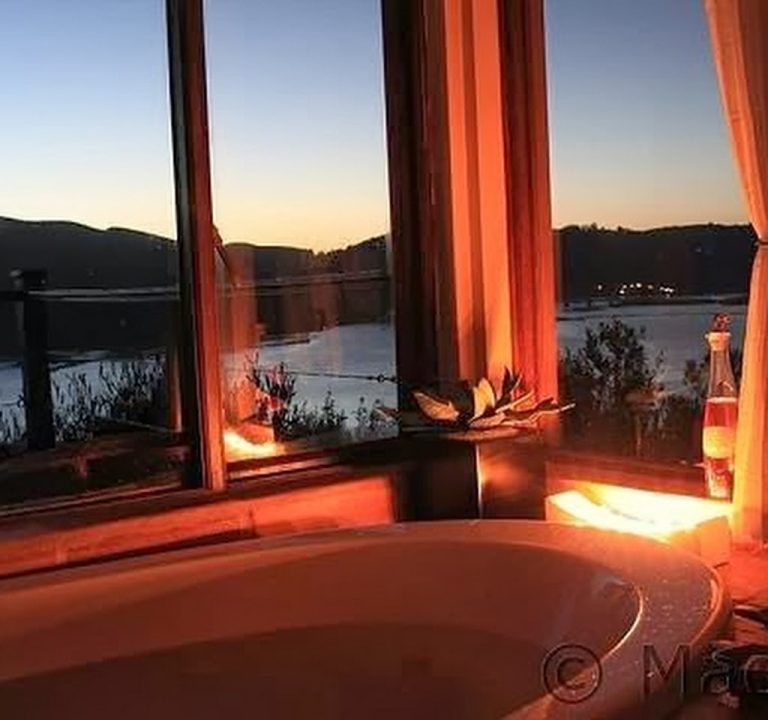
Discover Knysna: Where to Stay, Eat and Explore in the Garden Route
Knysna, nestled on the edge of the Knysna Lagoon and fringed by the dense forests of the Garden Route, offers a range of accommodation that suits every travel style. From intimate guesthouses to contemporary lodges and well-appointed hotels, the town acts as a welcoming base for exploring neighbouring coastal towns, forest trails and the iconic waterways that define this part of the Western Cape. When planning a stay, consider which area best aligns with your plans—the harbour and Knysna Quays for waterfront ambience, the town centre for accessibility to shops and eateries, or the wooded hillsides and forests for a peaceful backdrop and views over the lagoon.
Choosing the right accommodation in Knysna comes down to practical details as well as ambience. Look for properties that offer clear access to the lagoon or forest walks if outdoor days are a priority, as well as parking facilities if you are hiring a car. Many guesthouses and lodges in the area feature relaxed lounges, generous breakfast spreads and terraces with views—perfect for evening sundowners after a day of exploration. If you are visiting during peak season, consider booking several months in advance, as demand for well-located stays can be high, especially over school holidays and long weekends.
Typical amenities to expect include en-suite bathrooms, comfortable furnishings, and in-room essentials such as tea and coffee facilities. Some accommodation providers also offer guided excursions, bicycle rental, or arranged transfers to nearby attractions and beaches. Accessibility is worth confirming if you or travelling companions have mobility considerations. Look for properties that provide helpful information on local transport options, such as shuttle services or proximity to bus routes, as not all areas are equally well served by public transport.
Transport around Knysna and the surrounding region is practical with a car. A vehicle provides the greatest flexibility to explore the surrounding forests, coastal viewpoints, and the beaches along the Garden Route. If you prefer not to drive, inquire about guided tours or shuttle arrangements offered by your host or local operators. The town is well connected to nearby towns such as Plettenberg Bay and Wilderness, making day trips straightforward with a well-planned itinerary.
Best time to visit Knysna generally aligns with the Southern Hemisphere seasons. The summer months (December to February) bring long days and pleasant sea breezes, ideal for boating, lagoon paddling and outdoor markets. Autumn (March to May) offers cooler temperatures and fewer crowds, making it a comfortable period for forest walks and scenic drives. Winter (June to August) is typically mild but can be wet, which can lend a lush, emerald atmosphere to the forests and viewpoints. Spring (September to November) brings fresh colours and the chance to spot birdlife and wildlife along the coast and in the forests. Regardless of when you go, pack layers, a light waterproof layer and sun protection for days spent outdoors.
When planning activities, start with a mix of nature and culture. The area is famous for its dramatic coastal scenery, forest trails and wildlife-friendly experiences. Day trips by boat or kayak along the water routes, walks through indigenous forests, and lookout points with sweeping panoramas appeal to many visitors. For a relaxed day, you can stroll along harbour paths, browse craft stalls, and enjoy the vibrant, seafood-forward dining culture at waterfront venues. While general recommendations can be made, it’s wise to check current trail conditions and open-access policies before heading out, as weather and seasonal changes can affect access to certain routes.
For dining, Knysna’s restaurant scene tends to focus on fresh, locally sourced ingredients with an emphasis on seafood, seasonal produce and regional flavours. In neighbourhoods close to the water, you’ll find venues that offer light lunches, harbour views and sunset-friendly decks. Expect menus that showcase the area’s produce—from forest mushrooms and locally caught fish to olives and citrus grown in nearby valleys. If you are staying in a guesthouse or lodge, ask your hosts for recommendations on where to eat and for reservations where needed, especially during busy periods.
Accommodation in Knysna can be experienced as a hospitable mix of boutique stays and larger lodges. A representative example is a guest lodge that focuses on attentive service and a tranquil setting, offering a comfortable room, a generous breakfast, and grounds that invite early morning strolls. It may provide easy access to nature trails, garden paths and a library or reading lounge, making it a good fit for guests seeking a relaxed pace with generous common spaces. If you’re curious to learn more about one specific option, you can visit the property’s website for detailed room descriptions, inclusions and location directions.
Practical planning tips for your Knysna stay:
- Book accommodation with clear information on parking and accessibility; confirm room configuration and bedding preferences before arrival.
- Ask hosts about guided experiences, popular local routes and seasonal activities to tailor your itinerary.
- Pack for changing weather—knysna’s climate can be variable, especially near the coast and in forested areas.
- Plan a mix of indoor and outdoor days to allow for quicker adjustments in case of rain or wind.
- Check cancellation policies and whether breakfast or dinner options are included or available as add-ons.
For those who wish to explore more deeply, a stay in Knysna can be complemented by visits to its nearby towns and natural attractions, offering a broader sense of the region’s landscape and culture. An example accommodation choice to consider is the Elephant Hide of Knysna Guest Lodge, which presents a comfortable base with thoughtful character and easy access to the surrounding areas. Learn more about this property at its official website: http://www.elephanthide.co.za/