Stay, savour and explore Franschhoek: a guide to accommodation, dining and experiences
Franschhoek, nestled in the picturesque Cape Winelands, is renowned for its scenic valley, wine estates and a culinary scene that draws visitors from across the globe. Whether you are seeking a boutique stay, a stylish hotel or a cosy guesthouse, the village offers a range of options that balance access to countryside tranquillity with easy reach to shops, gardens and cultural attractions.
When planning a stay, consider which neighbourhood will best suit your mood and pace. The main village-centre area puts you within minutes of restaurants, art galleries and the historic courthouse, with convenient access to wine estates that cascade up the surrounding hills. For a more immersive pace, look to lanes and precincts a short walk from the High Street, where many lodgings are set within leafy grounds or converted farm buildings. If you prefer a farm-to-table experience, some properties sit on working estates where you can stroll through vineyards or olive groves after breakfast.
Accommodation in Franschhoek ranges from intimate guesthouses and B&Bs to luxury boutique hotels and larger country houses. Typical amenities you may encounter include en-suite bathrooms, free Wi‑Fi, on-site dining or breakfast inclusions, landscaped gardens, luggage storage, and secure parking. In high season, rooms with air conditioning or ceiling fans can make evenings more comfortable, particularly when warm afternoons spill into cooler desert air at dusk. For those seeking privacy, self-catering cottages and apartments offer flexibility, while spa facilities and outdoor pools are frequent highlights at higher-end properties.
Cost is sensible and varies with season. The shoulder periods—late spring and early autumn—often provide better value, milder weather for outdoor tastings, and calmer streets in the village. If you are visiting during peak harvest or festival periods, book well in advance to secure preferred rooms and exact locations, particularly those that offer views of the valley or immediate access to walking trails.
Transport in Franschhoek is straightforward but requires a little planning. The village centre is compact enough to explore on foot and by bicycle, with many eateries and wine-tastings within a pleasant stroll. If you are staying outside the town or intend to visit several wine estates, a car is convenient. Local tours and shuttle services can simplify day trips to surrounding towns or more remote vineyards. If you prefer not to drive, check whether your accommodation can arrange transfers or partner with reliable tour operators for half-day or full-day itineraries.
Best time to visit Franschhoek hinges on what you want from your stay. The spring and early autumn months bring mild temperatures, clear skies and the chance to see vines at their most vibrant. Summer visits offer long light-filled days ideal for outdoor dining and valley views, but can be warmer in the heat of the day. Winter is cooler and quieter, with atmospheric countryside and comfortable indoor dining experiences. Regardless of season, the village atmosphere—with coffee roasters, bookstores, galleries and farmers’ markets—adds to a sense of refined authenticity throughout the year.
Dining is a focal point in Franschhoek, reflecting a long-standing culinary heritage. Expect restaurants that showcase regional produce, contemporary influences and a sense of hospitality that ranges from relaxed bistro-style meals to more formal tasting menus. Early dinners and late lunches are common, and many eateries pair dishes with local wines from nearby estates. For a rounded experience, consider meals that span chef-curated tasting menus, wine pairings, and opportunities to learn about the farm, terrior and seasonal ingredients behind each course. While we won’t name specific establishments here, the central precincts and the slopes above the village provide ample options to suit different budgets and moods.
Attractions beyond eating and wining include outdoor activities and cultural experiences. The surrounding hills and valleys offer scenic walking trails, gentle hikes and viewpoints where the panorama stretches across vineyards and distant mountains. Historical sites and museums offer insight into Franschhoek’s French Huguenot heritage and its role in the region’s development as a wine and dairy area. Galleries and seasonal art trails provide opportunities to discover local talent, while curio shops offer crafts and regional products to bring home as mementoes. Several estates host tours focused on wine production, cellar practices and sustainable farming—an excellent way to deepen your appreciation of the region’s viniculture without relying solely on tastings.
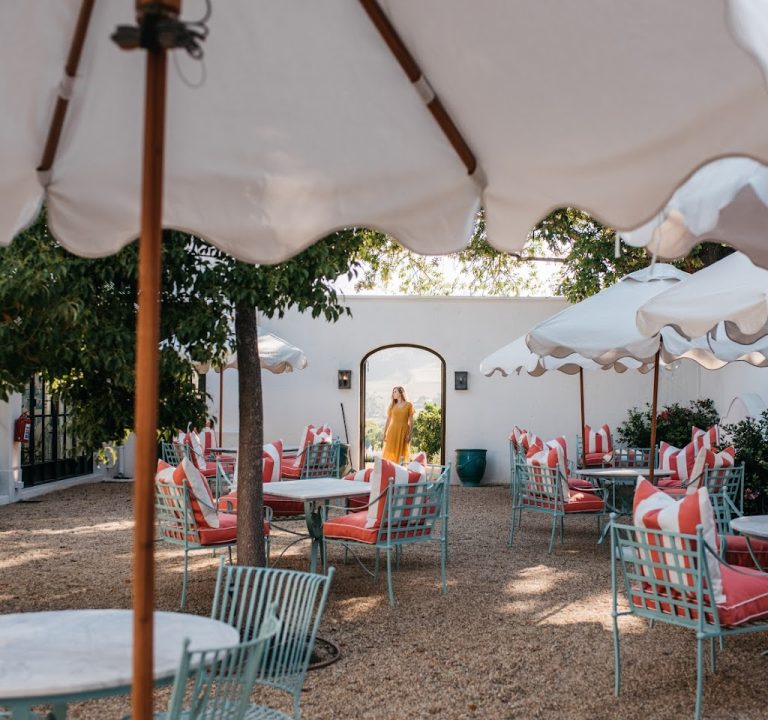
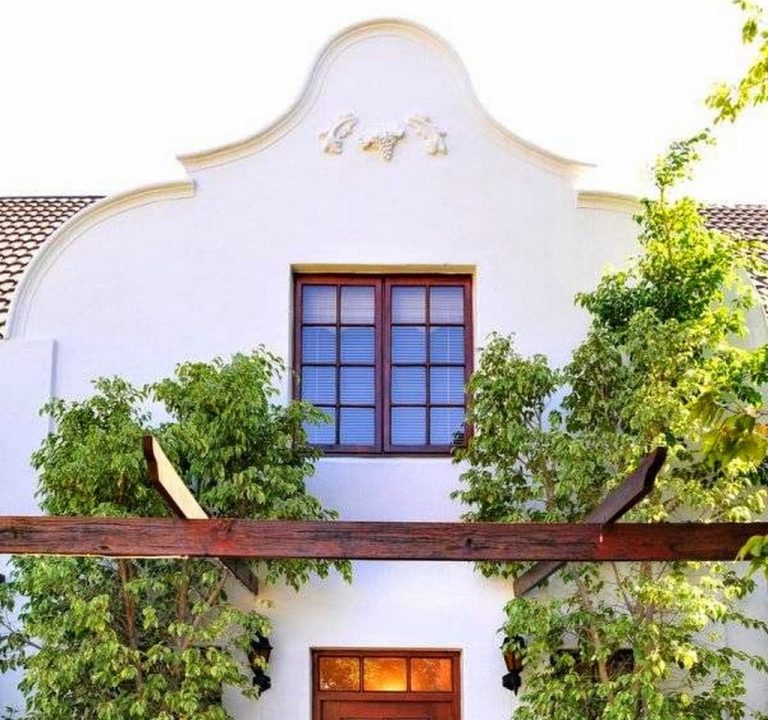
For accommodation with a classic sense of place, consider properties that emphasise garden settings, authentic architecture and attentive service. One option to review is La Cotte Farm, a hotel property that offers a countryside frame within reach of Franschhoek’s amenities and surrounding estates. Their website provides practical details about lodging style, facilities and access to local experiences, and can help you compare with alternatives in the village. Visit the site at La Cotte Farm to start planning.
- Tip: book a base close to the village for easy dining and gallery access, but consider a property with a little distance from the centre if you crave more tranquil garden surroundings.
- Tip: check whether your accommodation offers breakfast, shuttle services to wine estates, or walking routes from the door.
- Tip: plan at least one day focused on a single wine estate and a separate day for exploring the town and its markets.
- Tip: travel in shoulder seasons for better value and more relaxed tastings.
In summary, Franschhoek rewards thoughtful planning: pick a location that suits your pace, pick a stay with the right blend of comfort and character, and couple your days with a mix of scenic walks, chef-led dining experiences and wine encounters. With its compact size, the village makes it easy to enjoy an immersive few days in one of South Africa’s most celebrated culinary and scenic destinations.