Franschhoek: Accommodation and Experiences in the Cape Winelands
Franschhoek is a compact village in the Western Cape that blends rich history with world-class wine and scenery from the surrounding mountains. When planning a stay, many visitors look for a comfortable base that reflects the romance of the valley while offering easy access to the surrounding estates, galleries, and dining rooms. Choices range from intimate guest houses to boutique hotels and self-catering cottages, all within a short stroll of cafés, markets and the scenic main street.
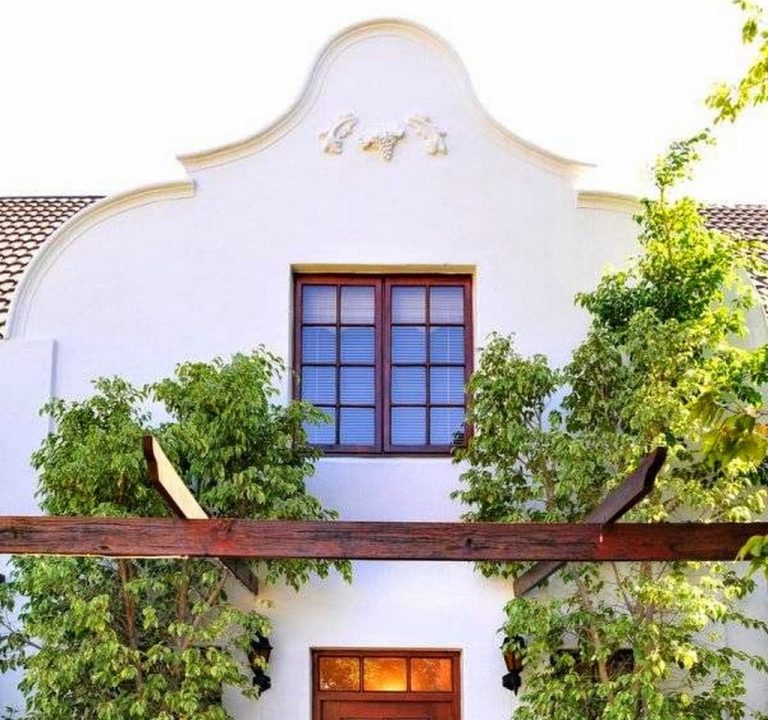
Accommodation in Franschhoek is well suited to two styles of stay: you can opt to be right in the heart of the village, close to shops, wine-tasting venues and the entrance to the valley’s famous wine routes, or you can choose a quieter setting on the outskirts with more substantial views and tranquil gardens. Central village options often boast traditional Cape Dutch architecture with a modern twist, while properties on the valley floor or higher slopes may offer expansive lawns, mountain views and outdoor seating areas that catch the morning light. When booking, consider the rhythm you want for your trip: lively evenings with easy access to eateries and galleries, or peaceful mornings with a private terrace and a long afternoon by the pool.
Typical amenities to look for include en-suite bedrooms, individually styled interiors, reliable Wi-Fi, and generous breakfasts featuring local produce. Some properties provide guest lounges, outdoor spaces for al fresco dining, or wine-tasting arrangements with on-site hosts. Family-friendly stays may offer larger rooms or suites, while couples often seek intimate courtyards or balconies with vineyard views. Practicalities such as on-site parking, easy accessibility for guests with limited mobility, and clear information on local transport options are worth confirming in advance. If you prefer self-catering, look for kitchens or kitchenettes, grocery delivery compatibility, and proximity to the village’s markets.
Transport in Franschhoek is typically easiest with a car, as many attractions, wine estates and galleries are spread along scenic routes beyond the village. Parking is commonly available at guest houses and hotels, but it’s wise to check whether there are any restrictions during peak season. For those who prefer not to drive, a local taxi or arranged transfers to neighbouring towns and wine estates can be convenient, especially for a wine-tasting day when you plan to sample a number of estates. The village is walkable, and some properties can offer bike hire or guided strolls through historic streets, which can be a pleasant way to soak up the atmosphere without relying on transport between meals and tastings.
The best time to visit Franschhoek aligns with its status as a year-round destination, though seasons do shape the experience. Spring (September to November) brings colourful gardens and mild weather, ideal for exploring vineyards and outdoor markets. Autumn (March to May) offers clear skies, calmer crowds and excellent lighting for photography as the vines prepare for harvest. Summer is lively with longer days and a buoyant dining scene, while winter offers a quieter pace and the chance to enjoy warm rooms and glowing fireplaces in many guest houses and lodges. If you are determined to coincide with harvest periods, expect a busier town and higher availability for accommodation with longer advance planning required.
Beyond wine-tasting, Franschhoek serves as a gateway to a range of attractions and experiences that do not require a specific booking or formal schedule. You can expect to encounter historic houses and interpretive displays that capture the valley’s French Huguenot heritage, scenic drives along mountain slopes, and peaceful walks along the river or through public gardens. Art galleries and craft shops offer contemporary work and traditional crafts, while the surrounding estates provide scenic viewpoints and opportunities to learn about viticulture and winemaking. For meals, there is a spectrum of dining options—from relaxed cafés serving light meals and pastries to fine dining rooms that showcase seasonal produce and pairing menus. Most venues welcome visitors for tasting and dining during standard hours, with some offering light options for a casual lunch or late-afternoon bites.
When planning a stay, consider the following practical tips to ensure a smooth visit:
- Book in advance for peak seasons and harvest periods, as popular properties can fill quickly.
- Ask about breakfast formats, dietary needs and possible on-site dining options to minimise morning delays.
- Confirm cancellation policies and whether the property offers flexible terms in case travel plans change.
- Check access to public transport or arrange transfers for wine-tasting days to avoid driving after tastings.
- Look for properties with a quiet co-working space if you plan to balance work with leisure.
In summary, Franschhoek offers a welcoming mix of accommodation that suits romantic getaways, family stays, and short breaks in the winelands. With careful planning, you can secure a dwelling that aligns with your preferred pace—whether you want the buzz of the village just steps from your door or a serene retreat with sweeping mountain views. A well-chosen base makes it easy to explore nearby estates, savour excellent Southern African cuisine, and return each evening to a hospitable home away from home. For those seeking a particular type of stay, starting with the village’s intimate guest houses and boutique hotels is a sound approach, followed by consideration of accessibility to the surrounding wine routes and countryside walks that define Franschhoek’s enduring appeal.