La Clé Village is a Lodge establishment in Cape Town, Western Cape, South Africa
La Clé Village: A Franschhoek retreat where wine country hospitality meets village life
La Clé Village sits at the heart of Franschhoek, a valley ringed by mountains and famous for its wines, fine dining and artful living. Housed on two working wine farms, the property invites guests to experience a true sense of place: vineyards on the doorstep, a historic street within easy reach, and a village atmosphere that blends French-inspired charm with warm South African hospitality. The setting is both tranquil and vibrant, offering a springboard for visitors to explore wine estates, galleries, markets and easy access to the valley’s celebrated outdoor spaces.
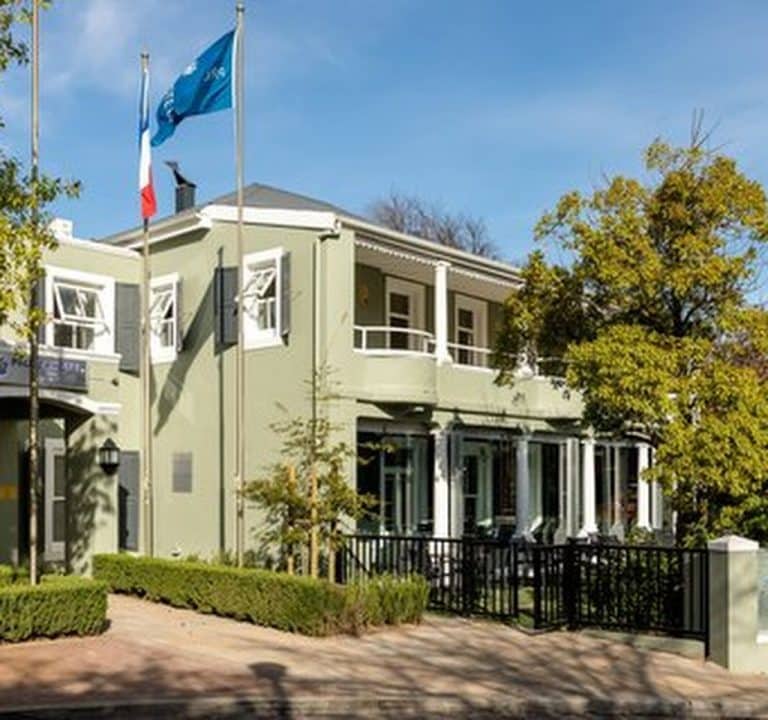
Accommodation at La Clé is spread across two distinct experiences designed to suit different guest needs. The La Clé Lodge is a large Cape Dutch manor that provides five generous suites arranged around friendly communal spaces. Here, guests can expect a laidback sense of sociability with shared-table meals that celebrate local flavours, paired with outdoor areas that look out over manicured gardens, a pool, a dam and verdant vines. The lodge’s atmosphere blends traditional architecture with contemporary comfort, creating a welcoming base for couples, friends and families alike who prefer a more communal living experience with the option of exclusive-use booking.
In addition to the lodge, La Clé offers four freestanding villas, each nestled in its own lush garden and thoughtfully designed to be fully self-contained while still benefiting from the property’s high level of service and attention to detail. These villas balance privacy with easy access to the village’s amenities, creating opportunities for larger groups or multi-generational stays to enjoy shared experiences while preserving space for individual relaxation. Each villa carries its own character—whether it’s a more contemporary art-house feel or classic Cape Dutch charm—yet all share a common thread of thoughtful design, abundant light and easy access to outdoor living spaces.
Throughout the estate, the sense of arriving somewhere lived-in and loved is palpable. The scent of thatch and jasmine greets arrivals, while local artworks add colour and conversation to interiors. The hospitality philosophy centres on making guests feel immediately at home, with staff on hand to unlock the secrets of Franschhoek—from discreet private sundowners to the best walking trails and the tastings that define the valley’s wine country.
For guests looking to tailor their days, La Clé provides a range of on-site and nearby experiences that align with the region’s rich food, wine and cultural offerings. The property’s location places it within easy reach of award-winning restaurants, boutique shopping, galleries and museums, all of which contribute to a stay that feels timeless yet thoroughly contemporary. The onsite library-esque spaces, private pools and expansive verandas invite lingering moments—whether a lazy morning coffee, an afternoon dip, or an evening under the stars with a carefully curated platter and a glass of local wine.
Each villa and the lodge are designed to accommodate different group sizes and preferences. The Manoir, Galerie, Grange, Domain and other villas spotlight a spectrum of design—from the Moroccan-inspired tones of Domain to the bright, art-forward spirit of Galerie. Individual room configurations vary, with options ranging from intimate two-bedroom layouts to larger setups suitable for families or groups travelling together. The result is accommodation that feels bespoke, whether the plan is a cosy couple’s retreat, a family gathering, or a celebratory escape with friends.
Guests frequently choose La Clé for special occasions, weddings, honeymoons and anniversaries, attracted by its postcard-perfect village setting and the flexibility of booking arrangements—from per-room stays to exclusive-use across the lodge or a collection of villas. The property’s travel desk is noted for helping with itineraries and date-planning, ensuring that visitors can weave together wine tastings, market strolls, spa experiences, and outdoor adventures into a cohesive Franschhoek visit.
Practical travel tips for a stay at La Clé include booking well in advance to secure preferred villa configurations or exclusive-use options, especially during peak seasons when Franschhoek’s appeal is at its height. While the destination inherently rewards walking and cycling, guests should plan for leisurely exploration along the village’s historic streets and between nearby estates. Dining out in Franschhoek is a highlight, with many restaurants within easy reach of La Clé; some visitors opt for private chef experiences or in-room culinary options that echo the farm-to-table ethos that characterises the valley.
Booking and further information can be found through the La Clé website, where guests can explore the lodge and villa options, view floor plans, and peruse rates and special offers. The continuity of service—ranging from breakfast preparation and private spa treatments to farm-to-table meals and wine-tasting experiences—helps to explain why La Clé is viewed as a gateway to living like a local in Franschhoek. For those seeking a flexible, luxurious yet intimate wine-country escape, La Clé Village presents a consistently balanced portrait of hospitality, design and place.
- Explore the lodge and villa options: La Clé Lodge, La Clé Villas
- Discover the surrounding village life, galleries and markets
- Access to private or shared dining experiences and wine tastings
- Plan multigenerational or group stays with adaptable room configurations
- Refer to the official website for rates, availability and special offers
Cape Town
Western Cape
7690
South Africa


Cape Town: Where to stay and what to do in the Western Cape
Cape Town, a vibrant city framed by the Atlantic Ocean and the iconic Table Mountain, offers a wide range of accommodation and experiences that suit every traveller. From stylish rooms on the slopes of the constantias to harbour-side boutique stays and family-friendly villas along the shoreline, planning your stay around the city’s neighbourhoods will help you get the most from your visit to the Western Cape.
When choosing where to base yourself, consider what kind of pace you want and what you want to be closest to. The city centre and the V&A Waterfront put you within easy reach of museums, markets and lively dining, while the Atlantic Seaboard (Bakoven, Camps Bay and Clifton) delivers strand-side glamour and sunset views. Constantia is ideal for wine lovers and tranquil escapes in a valley setting, and retreats in the southern suburbs or in nearby wine regions offer more space and a slower rhythm. For a lodge-style experience with a sense of home, look for properties that combine comfortable suites with shared spaces, good kitchens, and access to outdoor pools or gardens.
Typical amenities to expect include comfortable en-suite bedrooms, generous living areas, private or shared outdoor spaces, and options for dining in or out. Most well-regarded Cape Town stays will offer robust housekeeping, secure parking or easy transport access, complimentary Wi‑Fi, and helpful travel guidance from hosts or on-site concierges. If you’re travelling as a family or a small group, look for multi-bedroom villas or exclusive-use lodges with private gardens, BBQ/braai facilities, and spaces that encourage socialising while still offering privacy when needed.
Transport is straightforward in Cape Town, though the best option depends on your plans. The city has a reliable bus network and ride-hailing services, but many visitors prefer hiring a car for day trips to the Cape Winelands, Cape Point, or nature reserves. If you plan to stay in the central area, you’ll find walkable streets, Uber or a local taxi app handy, and some properties may offer airport transfers or arranged tours. For trips to wine farms or scenic coastal drives, a car offers flexibility and time efficiency.
The best time to visit Cape Town is influenced by weather and crowds. The summer months (November to February) are warm and dry, ideal for beach days and outdoor activities, while spring (September to November) and autumn (March to May) offer milder temperatures and fewer crowds. Winter (June to August) can be cooler and wetter, but it’s a wonderful season for whale watching on the coast and enjoying cosy restaurants with fireside atmospheres. If you’re hoping to combine city sights with wine-tarmaced landscapes, plan a longer stay to balance time between the Cape Town Peninsula, the nearby winelands, and the Cape’s rugged coastlines.
For accommodation planning, think in terms of your priorities. Do you want a chic, city-centre stay with easy access to bars and museums? A beachfront or hillside lodge with panoramic views? A countryside retreat near wine estates? Or a family-friendly villa where you can cook and relax after day trips? In all cases, verify bed configurations, check whether bathrooms are en-suite or shared, and confirm whether the price includes meals, housekeeping, or access to facilities such as pools, spa treatments, or private decks. If breakfast is important, find out whether it is a continental spread or a full cooked option, and whether you can request lighter options for early departures or special dietary needs.
- Booking considerations: location in relation to planned activities; access to parking or reliable transport; anticipated noise levels; potential restrictions or house rules; cancellation terms and weather policies.
- Facilities to look for: private outdoor spaces, well-equipped kitchens, laundry access, reliable Wi‑Fi, and on-site staff who can provide local tips or arrange experiences.
- Experiences to plan: scenic viewpoints and walks around Table Mountain, a visit to the Kirstenbosch National Botanical Garden, a trip to the Cape Point reserve, a harbour cruise, or a guided tour of nearby wine estates.
When it comes to dining, Cape Town offers a spectrum of options from casual eateries and cafés to fine dining and chef’s tables. You can savour fresh seafood along the coast, enjoy a savoury braai at a lodge, or sample wine-and-food pairings at nearby estates. Though prices and menus vary, most stays will be well located for easy access to markets, delis, and boutique shops, allowing you to assemble picnic platters or pick up artisanal treats for days out in the sun or on coastal paths.
To make the most of your stay, map out a mix of iconic sights and local favourites. A couple of mornings can be spent on a Table Mountain cablecar ride or a short hike with view points; afternoons can be saved for a visit to a museum, a winery, or a seaside promenade; and evenings can be reserved for dining in a neighbourhood bistro or tasting room. Whether you choose a lodge-style property with a private pool and garden in a tranquil suburban setting or a faultless city base within easy reach of the waterfront, Cape Town rewards travellers with memorable landscapes, culture, and cuisine.
Website resources and further inspiration can help refine your itinerary. For example, a Cape Town‑area lodge or villa offering in-house dining and access to external experiences may present curated day trips, walking routes, and local cultural highlights, ensuring you experience both the valley’s beauty and the city’s energy. Plan ahead, book early for peak seasons, and unwrap a Western Cape stay that blends comfort, scenery, and adventure into one unforgettable visit.
Sorry, no records were found. Please adjust your search criteria and try again.
Sorry, unable to load the Maps API.
Why Claim Your Listing?
Claiming your listing on the B&B Finder directory website is a valuable opportunity for business owners. Here are five reasons why you should consider claiming your listings:
Control Over Business Information: By claiming their listing, business owners can ensure that all the information presented is accurate and up-to-date. This includes details such as contact information, address, pricing, and available services or amenities. Accurate information helps prevent customer confusion and improves overall satisfaction.
Enhance the Listing: Once a listing is claimed, owners can enhance it by adding more comprehensive information and rich media, like high-quality photos and videos. These additions can make the listing more attractive and engaging to potential customers, thereby increasing the likelihood of bookings.
Marketing Opportunities: Claiming a listing can also open up additional marketing opportunities. Owners may be able to participate in promotional campaigns, special offers, and other marketing activities organized by the directory. This can increase visibility and attract more customers to the business.