Farm Lorraine is a Serviced accommodation establishment in Cape Town, Western Cape, South Africa
About Farm Lorraine in Franschhoek
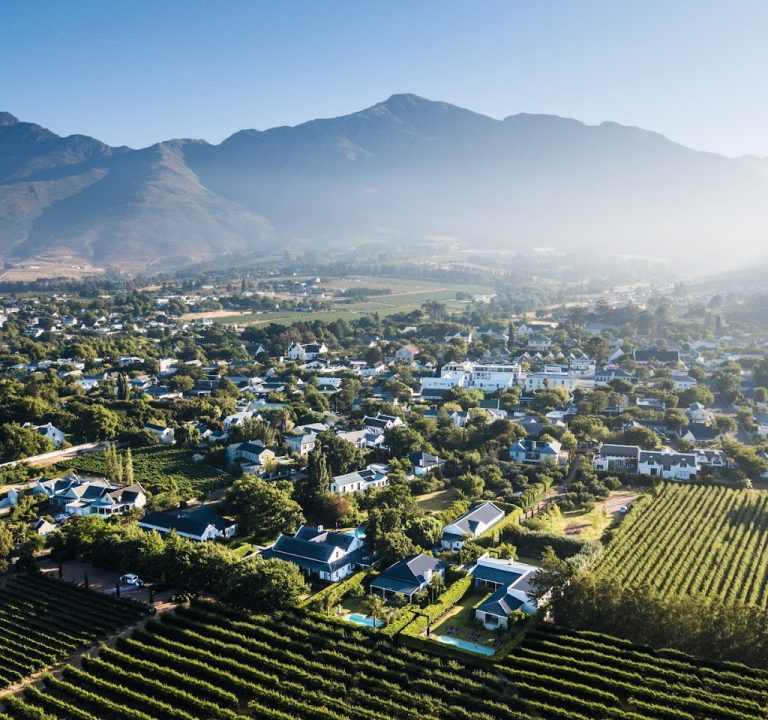
Farm Lorraine stands as a secluded Cape Winelands retreat in the heart of the Franschhoek Valley. Named in memory of a French immigrant’s farm in Alsace-Lorraine, the estate is celebrated for its blend of luxury, privacy and a sense of timeless countryside charm. It is positioned as an ideal destination for holidays, honeymoons and peaceful escapes, offering a quintessential Cape wine country experience with room to accommodate groups seeking exclusive use of a private estate.
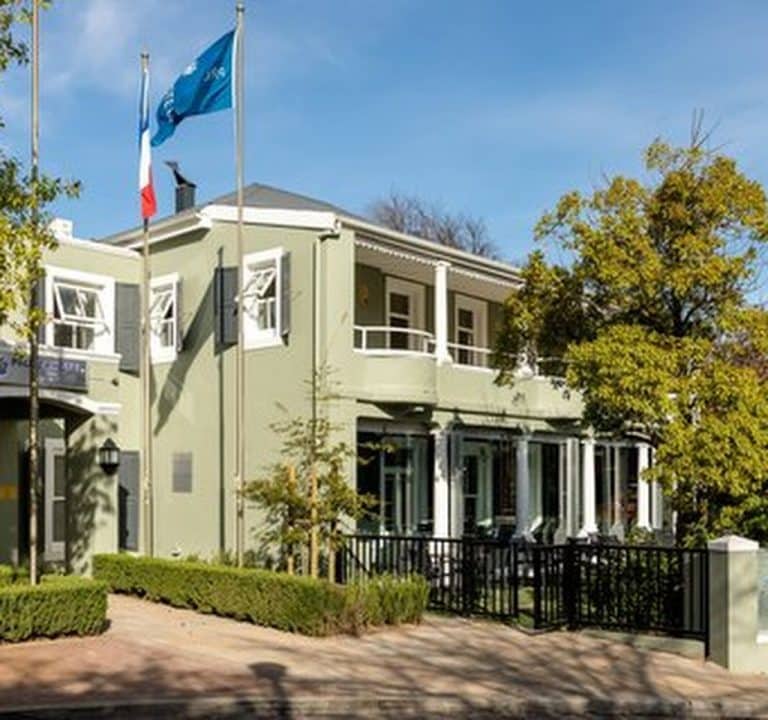
The property is carefully arranged to host up to 16 guests across three distinctive dwellings: the Manor House, Loft Cottage and Garden Cottage. Each residence is described as fully equipped for a restful stay, ensuring guests can settle into a comfortable routine without sacrificing the sense of space or seclusion. The layout of the estate emphasises privacy and intimacy, with manicured gardens surrounding a private lake and framed by mountains, vineyards and orchards — a setting designed to feel both grand and intimate in equal measure.
From the moment guests approach the driveway, Farm Lorraine projects a sense of enchantment. The gardens invite strolls that refresh the senses, while the estate’s surroundings lend themselves to longer explorations of the Franschhoek Valley’s acclaimed wine scene. The town’s renowned dining options are within easy reach for guests seeking memorable meals, whether at the estate or at one of the area’s top restaurants.
Daily rhythms at Farm Lorraine are dictated by the tranquil valley ambience. In warmer months, breakfasts, lunches and afternoon tea are enjoyed al fresco in the gardens, offering a relaxed, social atmosphere. When the weather turns cooler, interiors provide a cosy alternative with fires and intimate settings for meals and conversation. The emphasis is on comfort, quality and a sense of home-away-from-home luxury that remains understated rather than ostentatious.
Beyond accommodation, Farm Lorraine presents a host of activities designed to suit different interests. Guests can enjoy outdoor pursuits such as hiking and cycling, while the surrounding region offers opportunities for golf, wine tasting and discovering the local culinary scene. Bird watching and other nature moments add to the range of experiences available to visitors, making the estate attractive for those seeking both relaxation and gentle, lightly active exploration.
In keeping with its nickname, Le Domaine Charmant, Farm Lorraine is pitched as a charming, comfortable base from which to appreciate the best of the Cape Winelands. The property’s ability to offer exclusive use is highlighted as a key appeal, making it particularly well suited for extended families, groups celebrating special occasions, or travellers who value privacy combined with luxury amenities.
Accommodation at Farm Lorraine is characterised by a refined yet welcoming style, with each residence offering the practical comforts needed for a seamless stay. While detailed room configurations are not itemised in public descriptions, the three distinct options provide varying living spaces to suit different group sizes and preferences, all within a single, unified estate setting. The emphasis remains on restful rest, socialising with loved ones, and access to the natural beauty and wine country surroundings that define Franschhoek.
For prospective guests, Farm Lorraine presents itself as a versatile option for both intimate escapes and longer, multi-generational gatherings. The estate’s private estate credentials, coupled with its scenic landscape and rich culinary and wine experiences nearby, position it as a standout choice for travellers seeking a refined rural retreat that still feels personal and homely.
Nearby highlights include the Franschhoek Valley’s celebrated wine estates, acclaimed dining establishments in the town, and the broader scenic and cultural attractions of the Western Cape. While specifics of individual attractions are not enumerated on the site, the location naturally lends itself to wine tasting routes, scenic drives through mountain and valley scenery, and explorations of Franschhoek’s heritage and culinary offerings.
Travel and booking tips: consider arranging exclusive use of the estate if travelling with a larger group to maximise privacy and shared facilities. Because detailed policies and pricing are not listed in the public pages, it is advisable to check availability and inclusions directly via the property’s official website. For those planning a visit, the setting promises a balance of tranquil countryside ambience with convenient access to Franschhoek’s wine tastings, nature walks and fine dining options, making Farm Lorraine a compelling base for a wine country itinerary.
- Accommodation options: Manor House, Loft Cottage, Garden Cottage (capable of hosting up to 16 guests in total).
- Setting: private estate with manicured gardens, a private lake, and surrounding mountains, vineyards and orchards.
- Experience focus: relaxation, privacy, wine tasting, fine dining, and nature-based activities.
- Best for: holidays, honeymoons, peaceful getaways, and exclusive-use stays for families or groups.
- Practical note: detailed room-by-room amenities and pricing are not itemised publicly; consult the official site for current availability and booking options.
Website: farmlorraine.com
Cape Town
Western Cape
7690
South Africa


Cape Town: Where to Stay and What to Do for a Memorable Visit
Cape Town and the surrounding Western Cape offer a vibrant mix of urban culture, world-class cuisine and wine, dramatic scenery, and easy access to spectacular outdoor experiences. When planning a stay, consider several distinct areas to match your pace and interests—from the city’s iconic viewpoints to the tranquil wine valleys just beyond the townships of the Atlantic Seaboard. A well-rounded trip often blends a few nights in the city with a slower, scenic retreat in the Winelands, such as Franschhoek or Stellenbosch, to balance exploration with relaxation.
Accommodation choices in Cape Town range from chic apartments in the buzz of the City Bowl to luxurious seaside retreats along the Atlantic Seaboard. In the City Bowl and nearby Green Point, you’ll find design-forward hotels and serviced apartments ideal for easy access to museums, markets, and nightlife. If you favour sweeping coastlines and sunsets, Camps Bay and Clifton offer stylish stays with dramatic ocean views. For a more rural, wine-country ambience, look to the Franschhoek and Stellenbosch valleys, where estates and guesthouses frequently combine elegant accommodation with access to vineyards, gardens, and culinary experiences. Booking ahead during peak seasons is wise, particularly around school holidays and long weekends, when demand for rooms and specialised experiences rises steeply.
Typical amenities you might expect include en-suite bathrooms, Wi-Fi, secure parking, and kitchen facilities in self-catering options. Many properties offer breakfast, on-site dining, or access to a chef-curated tasting, and some provide leisure facilities such as pools, spa services, fitness rooms, and landscaped gardens. If you’re travelling with family or a group, look for properties with multiple bedrooms, private living spaces, and garden or patio areas for easy daily routines and al fresco meals.
Transport in and around Cape Town is best planned with flexibility in mind. A car offers the most freedom to explore both the city and the surrounding Winelands, but it’s also feasible to rely on Uber or licensed transfers for shorter hops and busy days. Within the city, many attractions are walkable or accessible by short rides from central bases. If you base yourself in the Winelands, a car is almost essential to reach vineyards, wooded trails, and cosy restaurants scattered through Franschhoek, Stellenbosch, and neighbouring towns. For outdoor highlights, a day trip to Cape Point or Boulders Beach (for penguin viewing) is best done with a driver or guided tour that can provide context and ensure smooth logistics.
The Cape has a temperate climate with dry summers and wet winters. The best time to visit typically spans from spring to autumn (September to May), when the days are longer, skies are often clear, and outdoor activities are at their most enjoyable. Winter (June to August) brings cooler weather and rain, but can still be a good time for winelands visits and cosy fireside experiences, especially in comfortable guesthouses and boutique hotels that make the most of indoor spaces.
When planning your itinerary, balance city sights with nature and cuisine. Iconic views from Table Mountain or Lion’s Head are best saved for early mornings or late afternoons to avoid crowds and heat. Museums and cultural sites near the city centre provide a rich cultural backdrop, while the V&A Waterfront offers shopping, theatres and casual dining with harbour views. The Winelands are renowned for their picturesque farms, cellar tours, and food experiences that highlight local terroir. In general terms, you’ll encounter a climate of hospitality that emphasises relaxed dining, wine pairing, and seasonal produce—perfect for a leisurely stay that blends exploration with restorative downtime.
For accommodation listings with a distinctly winery-country character, consider properties such as Farm Lorraine in the Franschhoek Valley. While at Farm Lorraine or similar estates, guests can expect spacious grounds, multiple living spaces, and opportunities for private gatherings or exclusive use. More information about Farm Lorraine can be found on its official site: farmlorraine.com.
Planning tips to help you book with confidence:
- Assess location relative to your must-see sites; a base in the City Bowl or Green Point offers convenience for urban explorations, while Franschhoek or Stellenbosch makes day trips to vineyards effortless.
- Check the size and layout if travelling with family or friends, especially for properties offering multiple bedrooms or separate living spaces.
- Look for flexible cancellation policies and clear notes about breakfast, housekeeping, and on-site dining options.
- Prioritise safety, parking availability, and access to reliable transport services, particularly if you plan early-morning excursions or late returns from dinners.
- Consider the season and plan outdoor activities accordingly—summer plans for beaches and coastal walks, winter for wine-tasting and cosy fires.
Beyond where to stay, Cape Town’s attractions and experiences offer something for every visitor. Natural wonders, museum-rich itineraries, markets with artisanal produce, and a thriving food scene all sit within reach. When you combine well-chosen accommodation with a thoughtfully paced itinerary, a Cape Town visit becomes more than a collection of sights; it becomes a layered experience built around comfort, flavour, and the region’s remarkable landscape.
Sorry, no records were found. Please adjust your search criteria and try again.
Sorry, unable to load the Maps API.
Why Claim Your Listing?
Claiming your listing on the B&B Finder directory website is a valuable opportunity for business owners. Here are five reasons why you should consider claiming your listings:
Control Over Business Information: By claiming their listing, business owners can ensure that all the information presented is accurate and up-to-date. This includes details such as contact information, address, pricing, and available services or amenities. Accurate information helps prevent customer confusion and improves overall satisfaction.
Enhance the Listing: Once a listing is claimed, owners can enhance it by adding more comprehensive information and rich media, like high-quality photos and videos. These additions can make the listing more attractive and engaging to potential customers, thereby increasing the likelihood of bookings.
Marketing Opportunities: Claiming a listing can also open up additional marketing opportunities. Owners may be able to participate in promotional campaigns, special offers, and other marketing activities organized by the directory. This can increase visibility and attract more customers to the business.