Accommodation and Experiences in Cape Town: Where to Stay and What to Do
Cape Town is a city of dramatic contrasts and memorable hospitality, where mountain, sea and street life combine to create a travel tapestry that suits both luxury-seekers and budget-conscious explorers. From elegant guest houses to modern boutique hotels and family-run lodges, the options for a comfortable base are as varied as the city’s neighbourhoods. For a stay anchored in convenience and character, consider the following areas and what they typically offer.
When to book and where to stay
- The Atlantic Seaboard, stretching from Green Point to Camps Bay, is popular for sea views, sunset strolls along promenades, and easy access to beaches. It’s ideal if you want a stylish, scenic base with a cosmopolitan feel.
- The V&A Waterfront provides a lively mix of dining, galleries and harbour atmosphere, with straightforward access to boat trips and the city’s harbour-side attractions.
- The City Bowl, including the CBD and Gardens, places visitors within short hops of museums, galleries, markets, and a thriving restaurant scene, with the prospect of compact, walkable accommodation.
- Constantia and the Southern Suburbs are perfect for quieter stays, often in guest houses or boutique inns, with proximity to wine estates and nature trails.
- Bo-Kaap and the historic eastern neighbourhoods offer colourful streets, cultural experiences and guest houses with a sense of heritage.
What to look for when booking
- Room type and layout: Decide whether you prefer studio-style accommodation with kitchen facilities, or a traditional guest room with breakfast included.
- On-site amenities: Look for reliable wifi, secure parking if you’re driving, air conditioning or heating for variable weather, and friendly reception staff who can offer local tips.
- Proximity to transport: Easy access to MyCiTi bus routes, Uber availability, or a car hire option can save time and money.
- Breakfast and dining options: Many guest houses include a hearty breakfast; some offer light meals or access to a shared kitchen.
- Safety and access: Check for secure entry, well-lit streets, and well-reviewed hosts who can guide guests to safe pathways at night.
- Accessibility: If you have mobility considerations, verify elevator access or ground-floor rooms where needed.
- Value and flexibility: Flexible cancellation policies and clear house rules can reduce uncertainty, especially during peak travel periods.
Typical amenities you may encounter
- Breakfast service, either self-serve or cooked to order
- Private bathrooms with daily housekeeping
- Tea and coffee facilities in rooms or common areas
- Air conditioning or ceiling fans, depending on the season
- WiFi throughout the property, often included in the rate
- Small lounges or terraces with city or sea views
- Secure parking, either on-site or nearby, sometimes with a daily fee
- Concierge-style assistance for bookings, tours and itineraries
Transport tips
- Public transport: Cape Town’s MyCiTi bus network is a practical option for many areas, with routes connecting major sights and the airport to the city centre.
- Taxis, rideshares, and transfers: Readily available and generally affordable for shorter trips around the central city and to the beaches.
- Driving: A car offers the most flexibility for exploring outside the city bowl, including winelands and nature reserves, but parking rules can be strict in central areas.
- Walking: In areas such as the City Bowl and the Plateau near Table Mountain, walking is a pleasant way to absorb the atmosphere, with ample viewpoints and eateries along the way.
Best time to visit
- Peak summer (November to February) brings warm weather, long days and vibrant street life, ideal for beach days and outdoor meals.
- Shoulder seasons (March–May and September–November) often offer milder weather, fewer crowds, and more affordable rates.
- Winter (June–August) is cooler and can be damp, but it’s a good time for fewer crowds and rich, cosy dining experiences.
Practical tips for a smooth stay
- Book ahead for popular periods, particularly around holidays and school breaks, to secure desirable areas and properties.
- Check the property’s policies on breakfast timing, housekeeping frequency, and levies or additional charges.
- If you’re planning day trips (Cape Point, the Cape Winelands, or Kirstenbosch), choose a base with easy access to main routes.
- Pack layers: Cape Town’s climate can be changeable, with cool mornings and evenings even in warmer months.
- Respect local etiquette and community norms in more residential areas, especially in historic districts.
Attractions and dining in general terms
- Nature and scenery: A cable car or hike up a famous mountain offers sweeping views over the city, ocean, and surrounding landscapes. Beaches along the Atlantic coast provide opportunities for sunset strolls and water-based activities.
- Cultural highlights: Museums and galleries capture Cape Town’s diverse history, with neighbourhood tours that reveal historic streets, markets and culinary traditions.
- Gastronomy: The city’s dining scene ranges from casual cafés to refined dining rooms and farm-to-table experiences, with a mix of flavours drawn from South Africa’s rich culinary heritage and contemporary trends. In many areas, you’ll find vibrant markets offering fresh produce, artisanal goods and street food-style bites.
- Day trips: The nearby Winelands, penguin colonies along the coast, and nature reserves are popular options for half- and full-day excursions, often with guided tours and relaxed itineraries.
A note on La Casa Serena
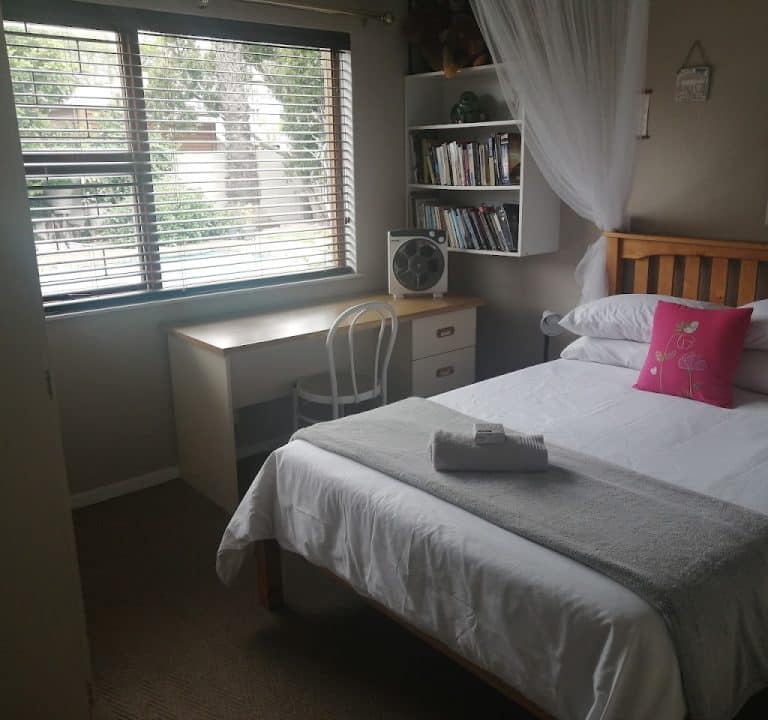
As an example of Cape Town’s guest house culture, La Casa Serena (a guest house in the area you’re considering) represents the type of intimate, personalised accommodation that many travellers seek. Such properties often combine comfortable rooms with caring hosts, cosy communal spaces, and ready access to local insights, making it a good choice for travellers who value character and direct local knowledge.
Further information and planning resources
- For official visitor information, travel websites and city guides can provide current listings, transport updates and suggested itineraries. Booking platforms and host profiles also offer practical tips, verified guest reviews, and clear policies.
With careful planning and a clear sense of what you want from your Cape Town stay, you can craft an itinerary that balances comfortable accommodation, easy transport, and immersive experiences, ensuring a memorable visit to this dynamic South African destination.