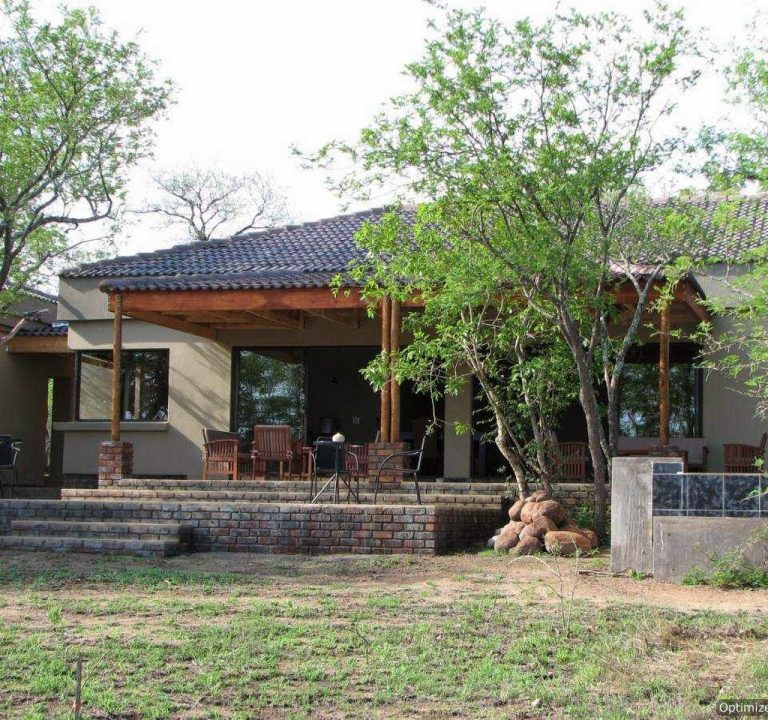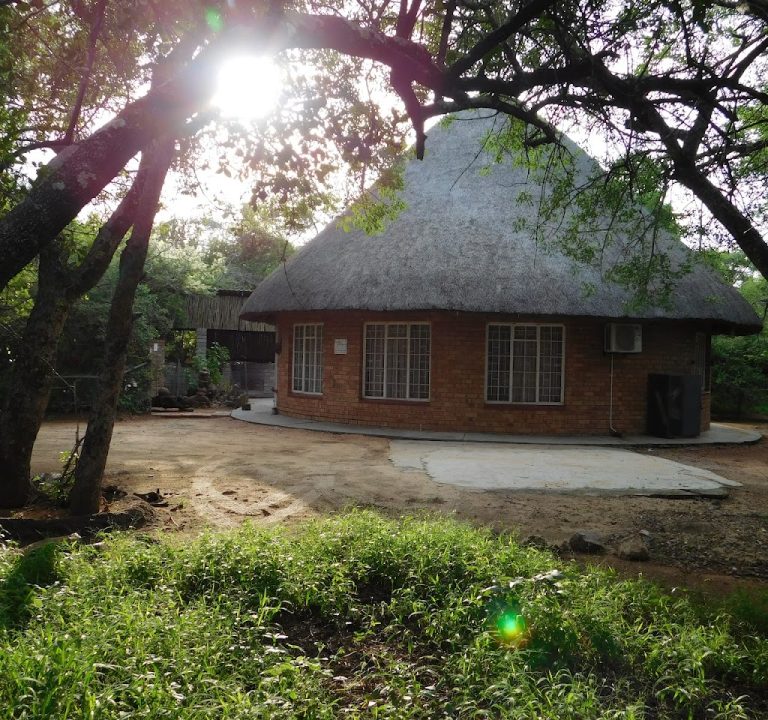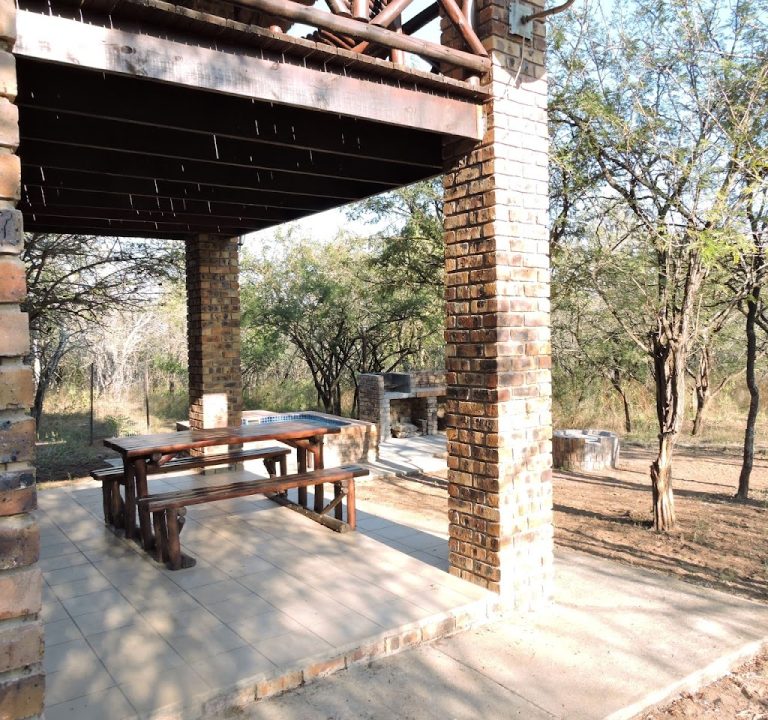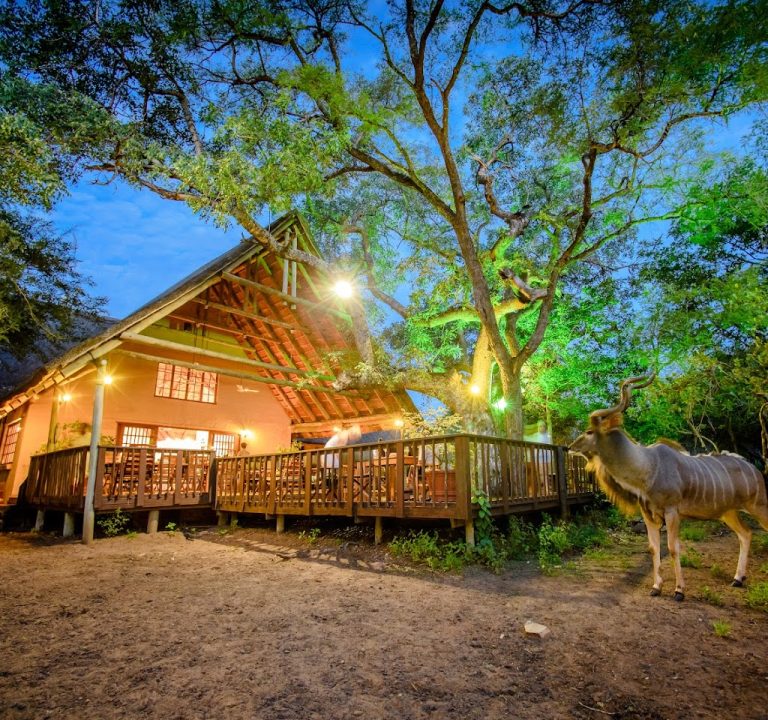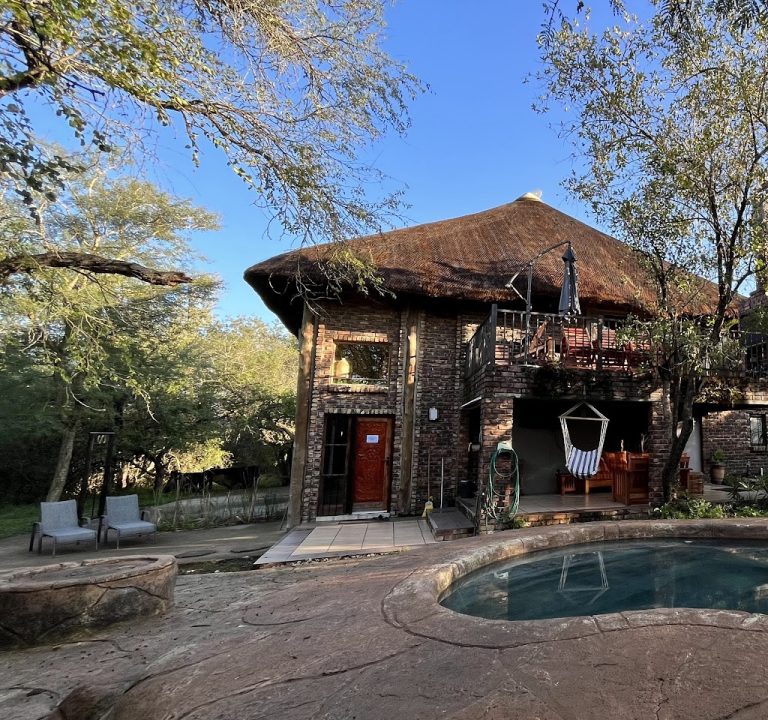
Kruger Park Hostel is a Hostel establishment in Marloth Park, Mpumalanga, South Africa
Kruger Park Hostel: Africa’s social wildlife base near Marloth Park
Kruger Park Hostel sits on the edge of Marloth Park in Mpumalanga, South Africa, offering a social, budget-friendly base for wildlife lovers and adventurers. Positioned just steps from the iconic Kruger National Park, the hostel blends easy access to game viewing with a Community‑driven approach that emphasises shared experiences, authentic connections, and a lightweight, bush-friendly way of travelling. The setting invites morning zebras at the doorstep and elephant‑rich horizons, with evenings occasionally punctuated by the distant sounds of wildlife from Kruger.
Accommodation at Kruger Park Hostel is designed for practical comfort that suits backpackers, solo travellers, and small groups seeking a sociable stay without sacrificing clean, simple facilities. The property features a range of private rooms and dorm options, each with en suite bathrooms, ensuring guests have easy access to privacy when needed and opportunities to mingle when they don’t. A modern, social ambience permeates the common areas, described as vibrant spaces ideal for meeting fellow travellers, swapping recommendations, and planning day or multi‑day explorations into Kruger and beyond.
Beyond a bed for the night, the hostel provides essential amenities geared to modern explorers. Free high‑speed Wi‑Fi keeps guests connected for trip planning or sharing wildlife encounters, while a refreshing pool offers a relaxed spot to unwind after a day spent on game drives or bush walks. The on‑site vibe centres on inclusivity, with shared meals and stories that help create a sense of real community between guests from diverse backgrounds. Outdoor chill spaces allow curious visitors to enjoy wildlife sightings in a comfortable setting, turning everyday moments into memorable encounters.
For those eager to immerse themselves in Africa’s wildlife, Kruger Park Hostel offers a curated menu of experiences. Daily game drives and guided game walks provide opportunities to explore Kruger National Park with expert guidance, increasing the chances of spotting the Big Five and other iconic species. The hostel also promotes a flexible adventures programme, including participatory camping safaris and cross‑border expeditions into neighbouring countries, designed for travellers seeking genuine wilderness experiences and meaningful connection with place and people.
Strategically located in Marloth Park, the hostel acts as a convenient starting point for broader Mpumalanga highlights. Guests can combine a Kruger-based itinerary with other regional draws, such as the Panorama Route’s scenic viewpoints and waterfalls, and cultural or nature‑driven day trips. The staff emphasises a practical, no‑frills approach to travel logistics—pre‑arrival check‑ins and online payments streamline bookings, while clear communication helps guests navigate activities, transfers, and itineraries with ease.
Kruger Park Hostel also has an eye on mindful travel. The ethos centres around kindness, authentic connection, and responsible responsiveness to the bush environment. The team promotes a culture where volunteers and staff operate as a closely connected unit, encouraging guests to feel relaxed yet well supported as part of a larger community that values safety, comfort, and shared learning. This balance of ease and accountability can help visitors feel confident while exploring a wild landscape that continually presents new surprises.
For guests with a taste for broader exploration, the hostel highlights multiple expedition options. Notable offerings include multi‑day camping safaris with small groups and cross‑border itineraries that span South Africa, Eswatini (Swaziland), and Mozambique. These trips are presented as immersive adventures—organised to maximise wildlife encounters, cultural insight, and physical discovery, set against southern Africa’s varied landscapes from bushveld to coastal ecosystems. The Dune Beach Hostel project in Mozambique is positioned as a sister venture, inviting guests to follow Kruger Park Hostel’s bush‑to‑beach ethos in a remote coastal setting with plans for activity‑based experiences that align with ethical, small‑group travel.
Who is Kruger Park Hostel best suited for? It appeals to travellers who prioritise social interaction, practical affordability, and direct access to wildlife experiences. It suits solo travellers looking to connect with like‑minded explorers, as well as small groups seeking a communal atmosphere that still respects personal space. It is equally appealing to travellers who want straightforward access to Kruger’s wildlife, combined with the opportunity to participate in cross‑border adventures and cultural excursions that broaden the scope of a South African wildlife holiday.
- Near Kruger National Park with easy game drives and guided walks
- Private rooms and dorms with ensuite facilities
- Free high‑speed Wi‑Fi, pool, and vibrant communal spaces
- Inclusive, community‑driven atmosphere with shared meals
- Participatory camping safaris and cross‑border expeditions across Southern Africa
- Practical booking options and straightforward travel guidance
Practical travel tips for prospective guests include planning ahead for transfers and exploring Marloth Park’s wildlife‑friendly surroundings. While the hostel provides structured activities, the setting is also ideal for spontaneous wildlife sightings from comfortable outdoor spaces. For those arranging travel, the website offers clear guidance on booking camping safaris and day tours, as well as cross‑border trips that blend Kruger experiences with additional southern African adventures. With its distinctive blend of social warmth, adventurous itineraries, and a nature‑forward mindset, Kruger Park Hostel stands out as a vibrant doorway to Africa’s wild heart.
Marloth Park
Mpumalanga
1321
South Africa

Accommodation and Experiences in Marloth Park, Mpumalanga
Marloth Park, perched on the edge of the Kruger landscape, is a wildlife‑watching haven that offers a mix of practical, comfortable stays and immersive, nature‑first experiences. The area is well suited to travellers who want to combine easy access to wildlife with relaxed, sociable accommodations. Whether you are travelling solo, as a couple, or with friends, Marloth Park provides a range of lodging from easy‑going hostels to family‑friendly lodges and self‑catering camps, all set against the backdrop of open plains, acacia trees and daily wildlife sightings.
When planning a stay, consider which part of Marloth Park suits you best. Some portions back onto private reserves with immediate wildlife viewing from your deck, while other pockets offer a quieter, more residential feel with easy gates‑to‑garden access. If your goal is stand‑out wildlife encounters, look for properties that advertise proximity to waterholes or wildlife‑friendly outdoor spaces, as these increase the chances of giraffe, zebra or other plains game wandering past your door in the early morning or late afternoon.
Accommodation in Marloth Park ranges from compact hostels to medium‑sized lodges and self‑catering escapes. A popular choice for travellers seeking a social atmosphere is a well‑located hostel that balances affordable rooms with communal spaces, organised activities, and easy access to Kruger National Park‑side adventures. Many places offer ensuite bathrooms, reliable Wi‑Fi for documenting your day, and shared kitchens or dining areas to foster conversation with fellow travellers. Pools, outdoor chill zones, and on‑site guidance for game drives or guided walks are common perks that make long stays easier and more enjoyable.
Transportation is convenient for self‑drivers and organised travellers alike. A road‑based approach is common, with well‑maintained tar roads connecting Marloth Park to neighbouring towns and to the N4 corridor. For guests arriving from Johannesburg or other major hubs, there are shuttles and overland options that can link you to Marloth Park, though arrangements may vary by operator. If you plan to explore beyond Kruger, it’s useful to have a vehicle for flexibility, or to book guided day trips that combine wildlife viewing with scenic highlights in Mpumalanga and neighbouring regions.
Best time to visit Marloth Park generally mirrors Kruger National Park seasonal patterns. The dry winter months (roughly May to September) tend to offer excellent game viewing as game congregates around water sources and vegetation is thinner, making animals easier to spot. The shoulder seasons—late spring and early autumn—also offer comfortable weather and fewer crowds. If you enjoy long days on safari and milder heat, winter is often ideal; if you prefer lush landscapes and budding wildlife activity, consider the late summer to early autumn period, bearing in mind there can be afternoon showers.
For planning practicalities, here are key considerations when booking your Marloth Park stay:
- Location relative to gates and water features can influence wildlife viewing opportunities.
- Room types and bed configurations, especially in hostels, to match your group size and budget.
- Amenities such as reliable hot water, Wi‑Fi, on‑site dining or kitchen facilities, and outdoor communal spaces.
- Access to guided game drives, game walks, or bicycle hire for self‑guided exploration.
- Clear cancellation and payment terms, including how deposits are handled and what is included in packages.
Apart from wildlife encounters, Marloth Park serves as a gateway to broader Mpumalanga experiences. Visitors commonly pair a stay with day trips to the Panorama Route to see dramatic viewpoints and waterfalls, or with longer itineraries that explore the Kruger National Park on guided safaris. Dining locally is about enjoying simple, hearty meals that suit a day spent outdoors—think grilled meats, fresh produce, and shared plates that encourage storytelling after a day in the bush. Many guests also enjoy sundowner moments at wilderness‑flanked viewpoints or from the comfort of a lodge deck, where the landscape and wildlife become the evening’s backdrop.
If you are considering a standout example of Marloth Park accommodation, you might encounter options that emphasise social, immersive experiences. Staying at a property with a strong community atmosphere can enhance your trip, offering shared meals, storytelling around a fire, and the chance to connect with other travellers and guides who know the rhythm of the bush. For those who wish to plan ahead or explore additional adventures, many establishments provide links to official activity pages or partner operators for game drives, guided walks, and cross‑border expeditions that blend wildlife with regional culture and landscapes.
Useful planning tips: check the booking terms for inclusions such as park entry fees, meals, or guided activities; read recent guest reviews focusing on wildlife sightings and staff help; and verify how early morning or late afternoon safaris are arranged, as these are often the best times for photography and animal behaviour. For inspiration and practical booking options, you can explore established Marloth Park options and related experiences through their official sites and partner platforms, including those that highlight Kruger‑adjacent adventures and community‑driven stays that make Marloth Park a memorable base for your Mpumalanga visit.
In short, Marloth Park offers a relaxed yet adventurous base, a blend of comfortable accommodation and wildlife‑facing experiences, and a doorway to Mpumalanga’s iconic sights. Whether you choose a sociable hostel setting or a cosy lodge, your stay can be shaped around wildlife, scenery, and the simple joy of being close to nature. For a representative example of what Marloth Park can offer, consider exploring the Kruger Park Hostel family, which centres on authentic bush experiences, community, and accessible excursions into the Kruger region and beyond. For more information, visit the Kruger Park Hostel website: https://krugerparkhostel.com/
Sorry, no records were found. Please adjust your search criteria and try again.
Sorry, unable to load the Maps API.
Why Claim Your Listing?
Claiming your listing on the B&B Finder directory website is a valuable opportunity for business owners. Here are five reasons why you should consider claiming your listings:
Control Over Business Information: By claiming their listing, business owners can ensure that all the information presented is accurate and up-to-date. This includes details such as contact information, address, pricing, and available services or amenities. Accurate information helps prevent customer confusion and improves overall satisfaction.
Enhance the Listing: Once a listing is claimed, owners can enhance it by adding more comprehensive information and rich media, like high-quality photos and videos. These additions can make the listing more attractive and engaging to potential customers, thereby increasing the likelihood of bookings.
Marketing Opportunities: Claiming a listing can also open up additional marketing opportunities. Owners may be able to participate in promotional campaigns, special offers, and other marketing activities organized by the directory. This can increase visibility and attract more customers to the business.