Staying in Marloth Park: Accommodation, Attractions and Practical Tips
Located beside the Kruger National Park’s southern reaches, Marloth Park in Mpumalanga offers a unique blend of wildlife-friendly escapes and comfortable accommodation in close proximity to nature. Visitors typically seek a relaxed bushveld ambience with the convenience of self-catering guesthouses, lodges and villas set among shady trees and wildlife corridors. When planning a stay, it helps to understand the layout of the area, the kinds of properties available, and the practicalities of daily exploration.
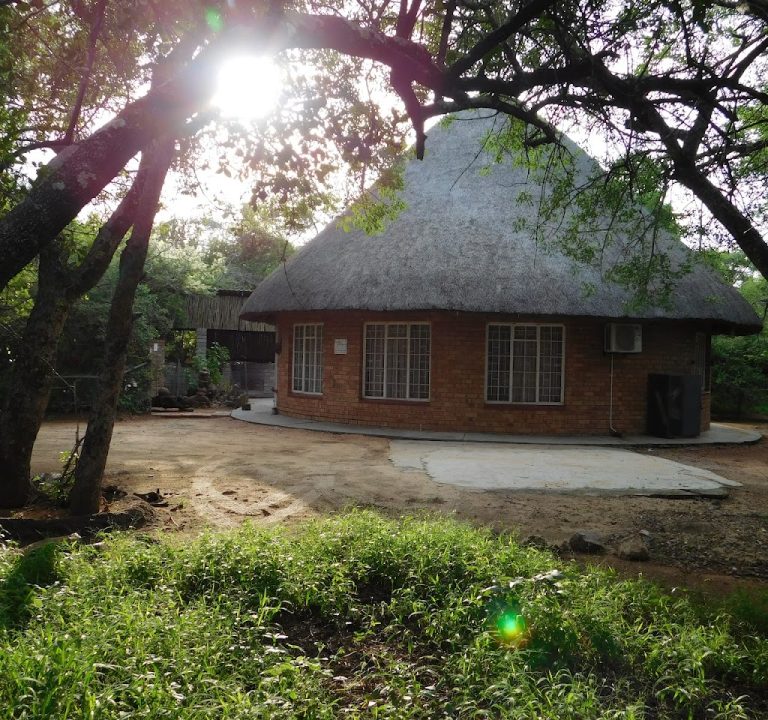
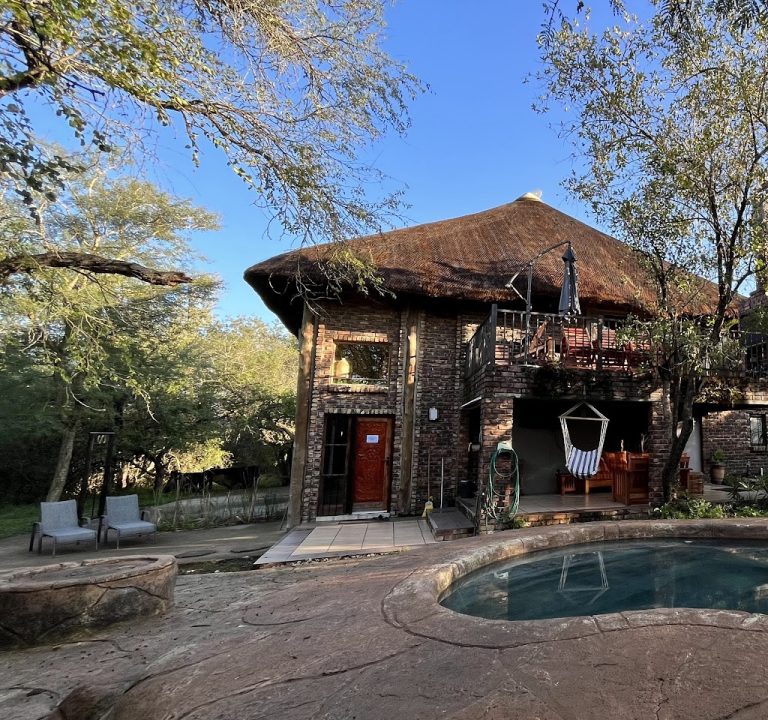
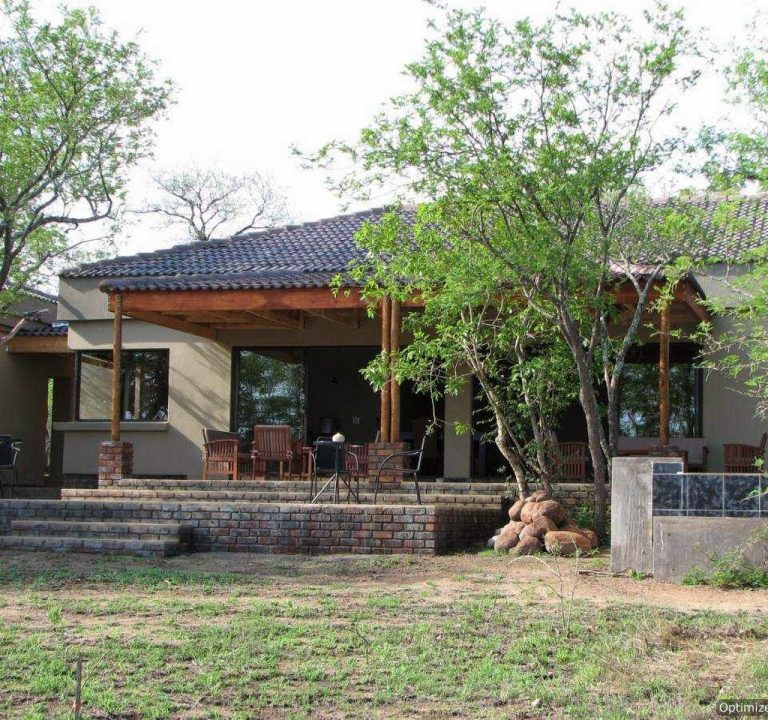
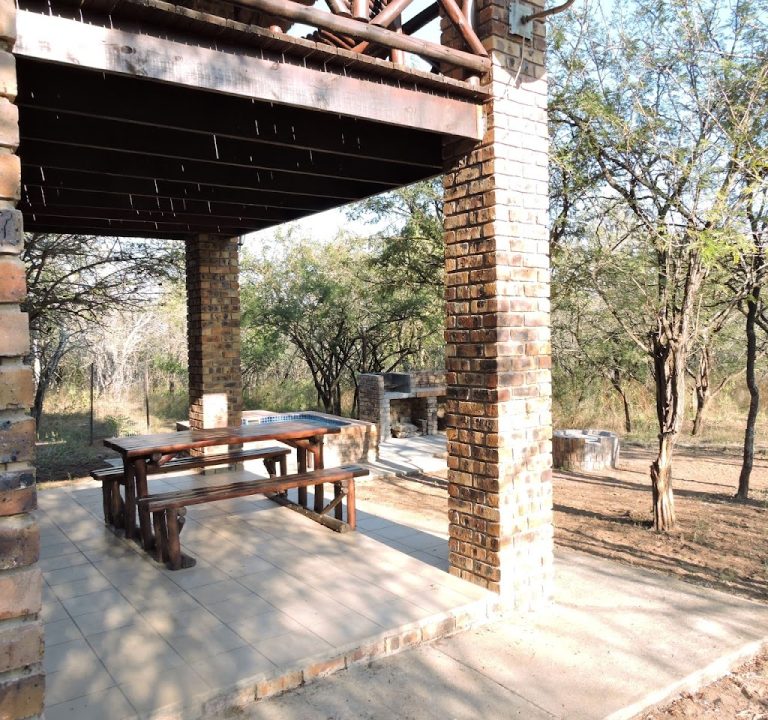
Accommodation in Marloth Park ranges from intimate guest houses within private reserves to larger villas with interactive wildlife experiences on the doorstep. The appeal is often a blend of self-catering comfort, private verandas, and the possibility of spotting animals such as impala, zebra, and a variety of birdlife from the safety of your veranda or pool deck. Many properties are designed to maximise outdoor living, with al fresco dining spaces, braai (barbecue) facilities and well-equipped kitchens. When selecting a place to stay, consider the following:
- Location within Marloth Park: Proximity to the entrance gates to the reserve and river frontage can influence game viewing opportunities and drive times to the Kruger Park gates.
- Privacy and wildlife-friendly features: Vehicle-free walkways, elevated decks, secure fencing, and outdoor lighting for evening game viewing are common considerations.
- Self-catering versus full service: Some properties offer daily housekeeping or optional meals; others are strictly self-catering, which impacts planning for groceries and meal preparation.
- Family-friendliness and accessibility: Check for cot availability, space for kids to roam safely, and ease of accessing bedrooms or bathrooms from common living areas.
Typical amenities you may encounter include private pools or plunge pools, air conditioning or fans for warmer months, well-equipped kitchens, comfortable living spaces, and ample outdoor seating. Some hosts provide additional touches such as guided night drives, wildlife talks, or basic equipment for outdoor activities. When booking, verify the inclusions and any extra charges for housekeeping, cleaning, or forest events to avoid surprises on check-in.
Transport within Marloth Park and the surrounding region is generally vehicle-based. The area is rural, with most visitors arriving by car or organised transfer from major gateways. Driving between properties is straightforward, but it’s wise to allow extra time for wildlife sightings on the roads and for briefer game-viewing stops. If you plan day trips to Kruger National Park or other private reserves, confirm your entry arrangements and whether your accommodation can assist with early starts or organised game drives. Some guests opt to combine Marloth Park’s peaceful solitude with short drives to nearby habitats, where guided safaris or wildlife experiences may be available through licensed operators.
The best time to visit Marloth Park depends on your priorities. The cooler months from May to August are popular for comfortable daytime temperatures and easier wildlife viewing, while the wet season from roughly November to March brings more active birdlife and lush scenery, though afternoon thunderstorms can interrupt outdoor plans. For families and first-time visitors, late autumn through early spring often offers a balanced mix of good weather and accessible wildlife experiences. If you are flexible with your travel dates, consider how rainfall patterns may affect road conditions and accessibility to certain trails or scenic viewpoints.
Shopping and dining within Marloth Park are modest but convenient. Many guests plan groceries before arrival, since some properties are in rural settings with limited on-site shops. On-site braais and kitchens encourage social, relaxed evenings, while nearby towns offer a wider selection of supermarkets and eateries. For those seeking restaurant experiences, Marloth Park’s dining scene tends to emphasise casual, family-friendly venues and garden settings where guests can enjoy flavours of the region in a laid-back atmosphere. When booking, you may wish to ask hosts about recommended local spots for breakfast, lunch, or dinner, as well as any needs such as dietary restrictions or quick take-away options for busy safari days.
Practical planning tips to help a smooth stay include:
- Book ahead, especially for peak travel periods and school holidays, to secure preferred properties and locations close to wildlife viewing opportunities.
- Review cancellation policies and what constitutes a guaranteed reservation in the event of weather or travel disruptions.
- Pack appropriate clothing for variable weather, along with comfortable footwear for outdoor activities and early morning game drives.
- Respect wildlife safety guidelines provided by your host or reserve management; keep a safe distance from animals and follow track or road signs during drives.
- Plan for electricity and water contingencies in rural settings, including ensuring devices are charged and knowing where to obtain supplies if shops are limited after hours.
Whether you are seeking a tranquil base for daily game drives, a romantic bush retreat, or a family-friendly lodge with easy access to nature, Marloth Park offers options that can suit several preferences and budgets. A stay here invites you to slow down, watch the rhythms of the bush, and enjoy practical comforts that make wildlife-rich days between gate openings and sunset verandas truly memorable. For those coordinating a longer itinerary, Marloth Park can be a peaceful pivot between Kruger National Park’s classic safari experiences and quieter, off-the-beaten-path moments in Mpumalanga’s landscapes.