Giyani, Limpopo: a practical guide to accommodation, attractions and dining
Giyani, situated in the heart of Limpopo, offers a relaxed base from which to explore the region’s distinctive natural landscapes, cultural heritage and wildlife experiences. When planning a stay here, it helps to think about where you’ll be based relative to the areas you’re most keen to explore, how you will move around, and what level of comfort you expect from your accommodation. The town itself offers a mix of guesthouses, smaller hotels and lodge-style lodgings, many of which emphasise friendly service and a warm, local atmosphere.
Choosing where to stay
Giyani and its surrounding areas are well suited to guests who value space, tranquillity and easy access to nature. If you prefer a short drive to broader natural attractions, consider staying on the outskirts where guest houses and lodges often offer garden or bushland settings. For those who want a more compact experience with convenient access to amenities, central guesthouses in or near the town can be practical bases with straightforward routes to local shops and eateries. When selecting a property, look for clear information about parking arrangements, on-site security, and whether meals are available on-site or via nearby options. Be mindful of family-friendly features if you are travelling with children, and check whether rooms offer ensuite facilities, air conditioning or adequate heating for the local seasons.
Typical amenities to expect
Accommodations in this region commonly provide comfortable en-suite rooms, private or shared entrances, and in some cases, balconies or verandas with garden views. It’s helpful to confirm whether breakfast is included or available as an add-on, and whether a self-catering option exists. Other practical conveniences to look for include:
- Adequate parking and good security
- Clean, well-maintained communal areas
- Reliable Wi‑Fi, where possible
- Laundry services or facilities
- Access to outdoor spaces for sunbathing or sunset views
- Anticipated quiet hours and guest policies
Transport and getting around
Giyani can be explored more readily with a car, as public transport options are not always frequent in more rural parts of Limpopo. If you are not driving, check with your accommodation about local transfer arrangements or shuttle services to nearby attractions. When planning day trips, consider the time of year: some routes become more pleasant outside the peak heat of the day, while during the rainy season driving can be more leisurely in the cooler mornings and late afternoons.
Best time to visit
The climate in Limpopo can be hot in the summer and cooler in the winter months. The dry season (typically from late autumn to early spring) is often ideal for wildlife watching and outdoor activities, with clearer skies and less humidity. The rainy season, while bringing lush vegetation, can bring heavier showers and shortened outdoor windows. If you are seeking cultural events or farmer’s markets, check local calendars for seasonal schedules as these may influence when you plan your stay.
Planning practicalities
Before booking, confirm the property’s cancellation terms, as policies can vary. Ask about door-to-door travel times to essential services, medical facilities, and any required permits if you plan to visit conservation areas or community projects. If you intend to spend several days, enquire about the option to store luggage securely on departure days or to arrange late check-out where available.
Dining and experiences
Nearby dining options range from informal eateries to more established restaurants offering regional flavours. Many guesthouses partner with local providers to deliver home-style meals, and some properties may organise traditional Braai or barbecue experiences. For travellers seeking authentic cultural exposure, you can often arrange guided village walks, demonstrations of local crafts, or knowledge-sharing sessions that highlight the area’s history and daily life. When in doubt, your hosts are usually the best source for recommending reliable, reasonably priced options as well as quieter, less-touristy spots worth trying.
A sample stay: Kremetart-Giyani Guesthouse
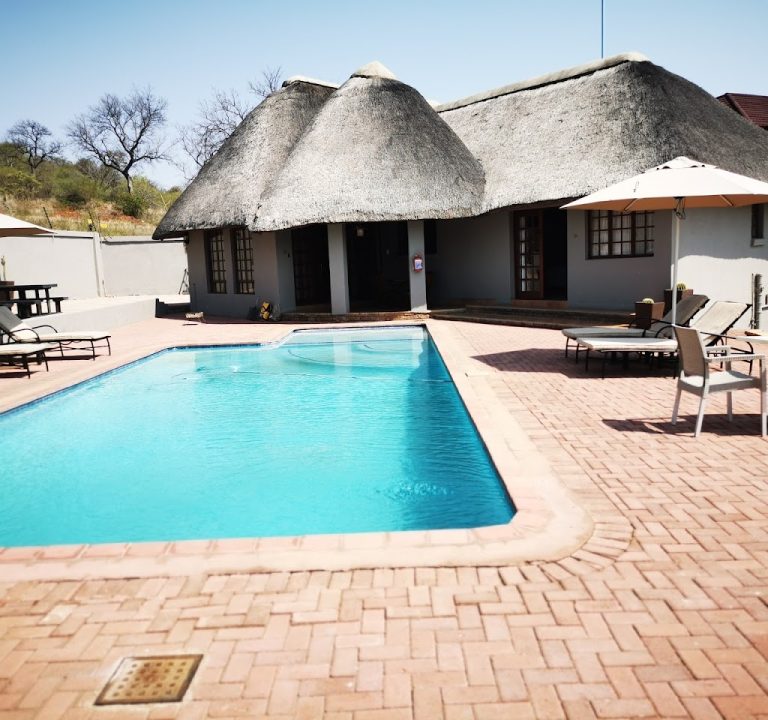
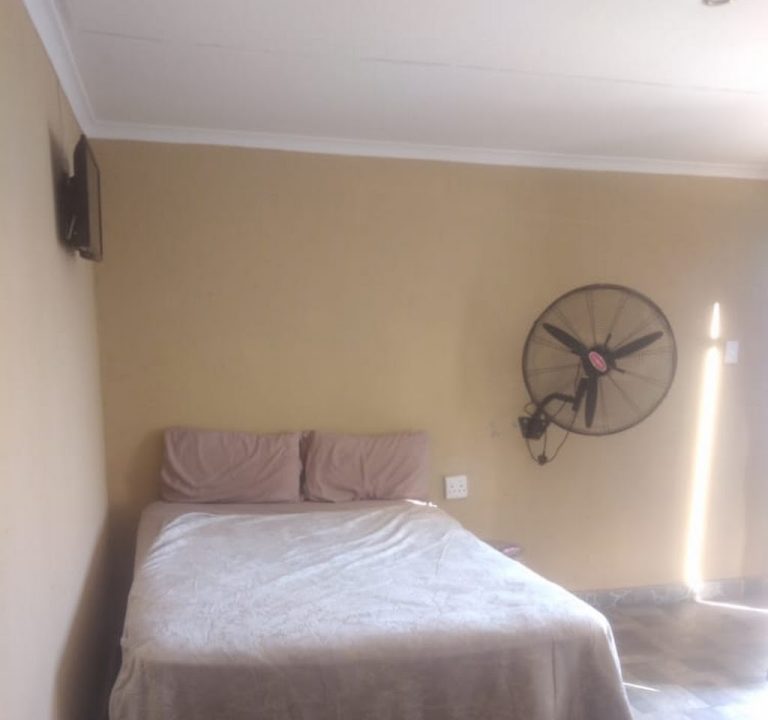
A practical option for visitors seeking a guesthouse experience is Kremetart-Giyani Guesthouse. The property offers a welcoming base with straightforward access to local sights and amenities. It provides a clean, comfortable setting and a personable approach to hosting. For the most current information on rooms, facilities and rates, you can visit the official website at http://www.kremetartguesthouse.co.za/.
Visitor tips
- Read guest reviews to gauge consistency in cleaning, responsiveness, and neighbourhood safety.
- Confirm distance and travel time to the attractions you plan to visit, factoring in local road conditions.
- Pack essentials for the climate and outdoor activities, including a hat, sunscreen and a light rain layer.
- Bring a reusable water bottle and plan for water-conscious travel, given regional water considerations.
- Respect local customs and community guidelines, particularly when engaging in cultural or rural experiences.
In summary, Giyani offers a friendly, authentic South African countryside experience with a range of accommodation styles close to nature and everyday life. By selecting a well-positioned base, understanding transport options, and planning around the seasons, you can enjoy comfortable lodgings, convenient dining options and a taste of Limpopo’s landscapes and hospitality during your stay.