Staying in Giyani, Limpopo: where to stay, what to do and practical tips
Giyani in the Mopani District of Limpopo offers a gateway to southern Kruger National Park landscapes, cultural experiences, and relaxed village-style hospitality. When planning a stay in this part of the province, it helps to map out preferred areas, the kind of accommodation you favour, and the type of activities you want to balance with downtime by a pool or in a garden setting. The town itself provides convenient access to nearby game reserves, scenic viewpoints, and traditional markets, while surrounding routes lead to nature trails, guided safaris, and rural communities that welcome visitors with warmth and curiosity.
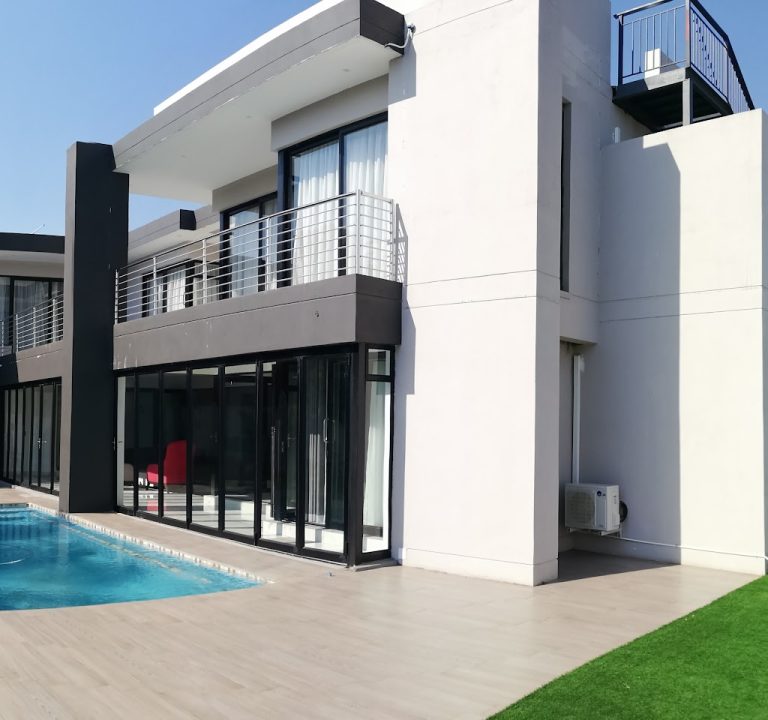
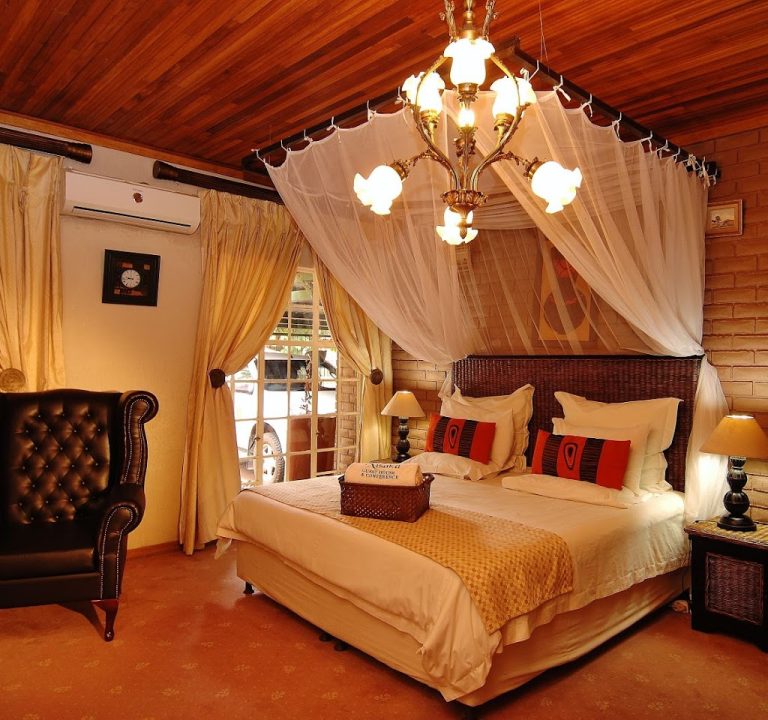
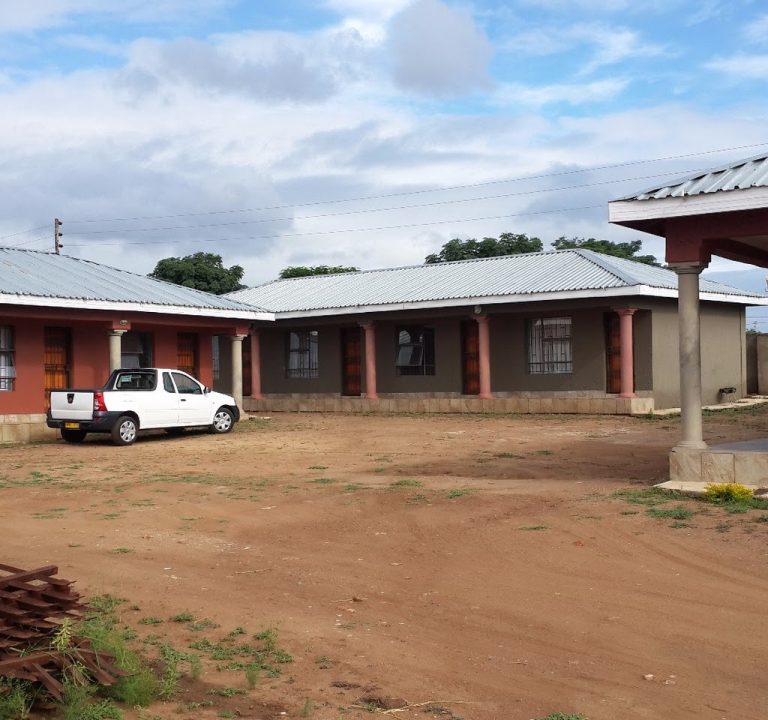
Accommodation options in and around Giyani range from modest guesthouses and mid-range hotels to boutique lodges and family-run guest premises. One notable example is Letaba Boutique Hotel and Spa, which showcases a more polished hotel experience with on-site facilities designed for comfort after a day of exploring the region. Its website offers details on rooms, dining, and spa services, giving guests a sense of the range and level of service available in the area. For travellers who prioritise location and ease of access to both nature and local amenities, such properties can form a reliable base from which to plan day trips and organised activities.
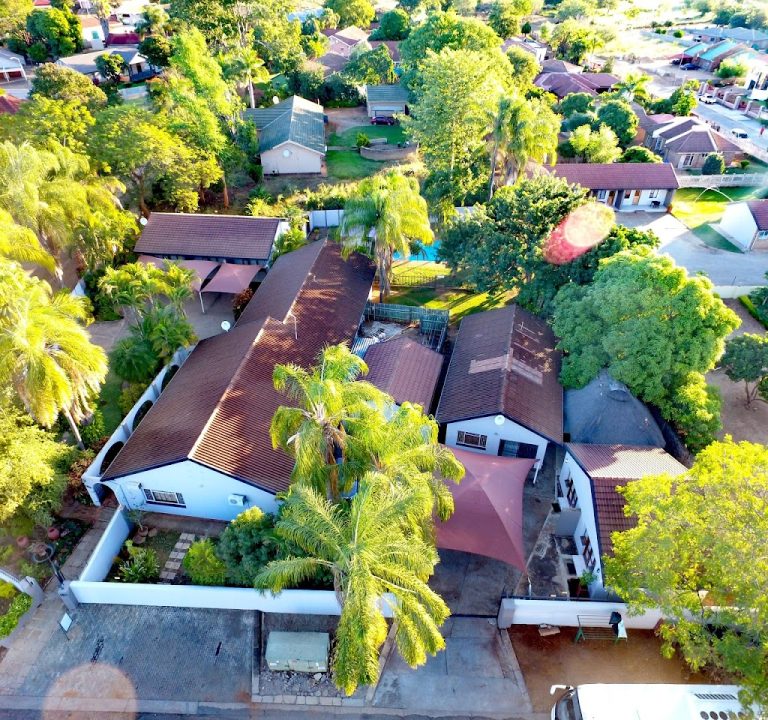
When choosing a place to stay, consider the following factors to ensure a smooth visit. Proximity to major roads and access points to Kruger’s southern sectors can save time on early-morning game drives. On-site facilities like air conditioning, reliable Wi‑Fi, secure parking, and a helpful front desk can make a real difference in comfort and convenience. If you anticipate long drives or late returns, confirm safe, well-lit entrances, room security, and the availability of late check-in arrangements. For families or groups, enquire about family rooms, adjoining units, or self-catering options, which can offer welcome flexibility on a longer stay.
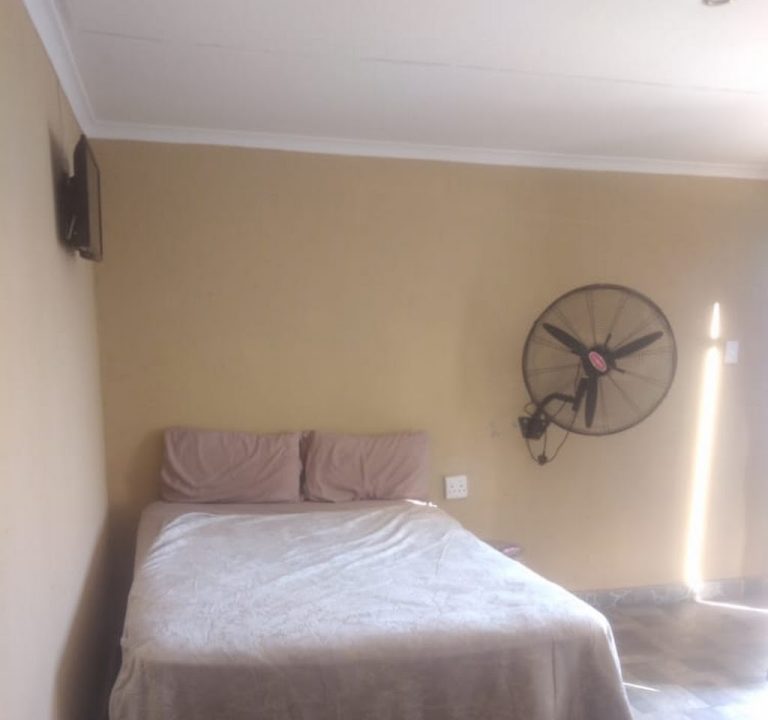
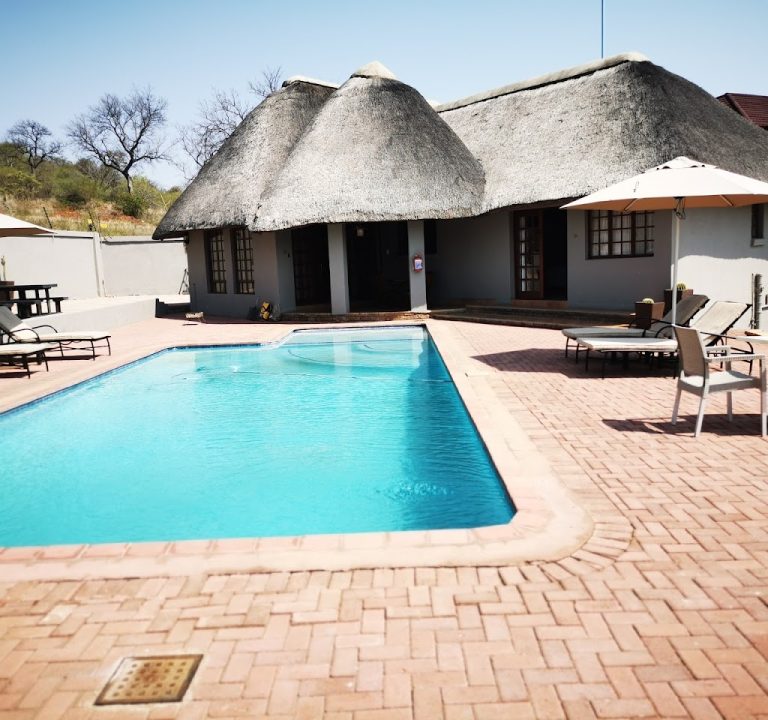
Typical amenities you might encounter include en-suite bathrooms, clean linen and towels, daily housekeeping, and dining options either on-site or within easy reach. In township-adjacent areas, some properties offer traditional cooking experiences or can arrange local meals, which can be a highlight of a visit. Pools, outdoor decks, and garden spaces are popular in warmer months, providing refreshing places to unwind after a day of safaris or market visits. If wellness is a priority, you may find hotels and lodges that feature spa facilities or partnerships with nearby practitioners for treatments after game drives or long walks.
Transport and getting around in Giyani require a practical approach. A rental car offers the most flexibility, enabling you to explore at your own pace and reach nature reserves, cultural villages, and shopping hubs without depending on irregular public transport. If you plan to join guided tours or day trips, check whether the property offers transfers or can recommend reputable operators. For those arriving by air, the nearest larger hubs lie outside Giyani, so arranging a transfer from the airport to your accommodation is usually part of the planning process. Have a rough daily itinerary but allow for downtime to enjoy warm evenings, terrace dining, or a gentle stroll through local streets when markets are active.
Best time to visit Giyani and the broader Limpopo region depends on your interests. The area experiences warm to hot summers with rainfall concentrated in the summer months, which can bring lush scenery and opportunities for wildlife viewing, though occasional showers should be anticipated. Winter nights can be cooler, so packing a light jumper is wise for evenings. For wildlife enthusiasts, the dry season often offers better visibility as animals gather around water sources. The shoulder seasons can provide a balance of comfortable temperatures and quieter crowds, ideal for a relaxed escape focused on culture and scenery rather than peak-season crowds.
Planning practical details helps reduce stress. Carry comfortable walking shoes for village strolls and nature trails, a hat and sunscreen for sunny days, and a reusable water bottle to stay hydrated during day trips. Remember to respect local customs and communities as you travel; engaging with guides and residents in a courteous, curious manner enriches the experience while supporting sustainable tourism. Check whether your accommodation can arrange guided walks, cultural visits, or coffee chats with local hosts, which can be a highlight of a stay in rural Limpopo.
Nearby attractions and experiences are typically described in general terms, focusing on the landscape and access rather than fixed names or prices. Expect opportunities to explore expansive savannah scenery, vantage points overlooking rolling veld, and the chance to learn about regional cultures through family-run guesthouses and community initiatives. Dining options range from simple, hearty meals that showcase local ingredients to more polished restaurant experiences where you can taste regional flavours in a relaxed setting. For those who prefer organised activities, many properties can help arrange or recommend day trips that combine wildlife glimpses with cultural exchanges and markets that capture the spirit of Limpopo.
- Areas to consider: proximity to main roads for easy access, quiet neighbourhoods for a restful stay, or lodge-style settings closer to nature.
- Booking considerations: room type, on-site facilities, security, and flexibility for changes in travel plans.
- What to look for: cleanliness, reliable cooling/heating, parking, and approachable staff to assist with tips and bookings.
- Transport: plan for a rental car or arrange transfers through your accommodation or trusted operators.
- Practical tips: pack for warm days and cooler evenings, bring a reusable bottle, and be ready to engage with local guides for authentic experiences.